


Careers
2026 Best Compound Fertilizer Suppliers for Global Buyers
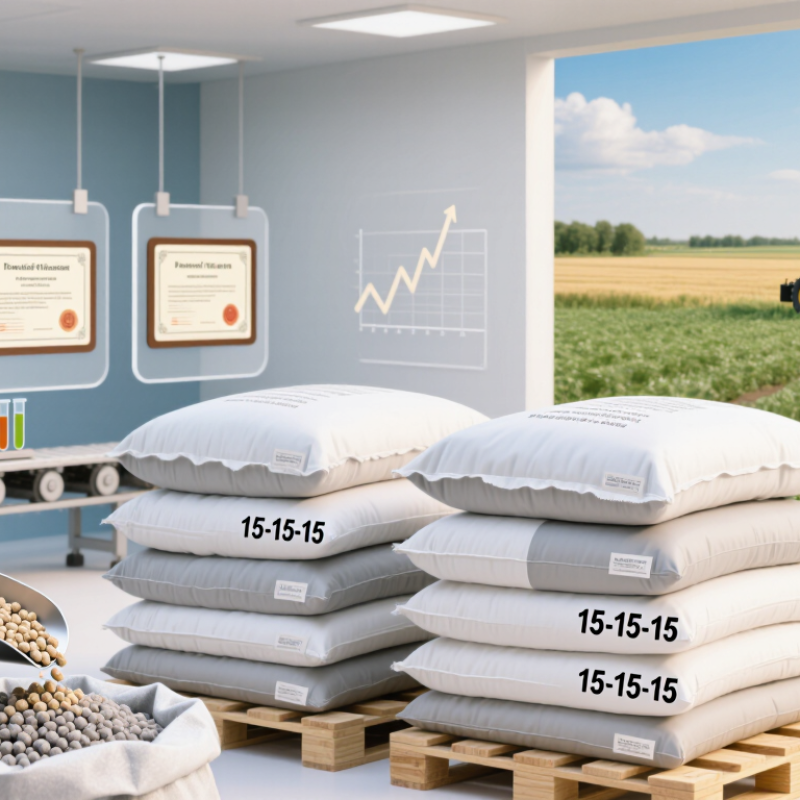
Choosing a Compound Fertilizer supplier in 2026 means looking beyond a polished catalogue. Global buyers need dependable nutrient grades, consistent granules, and documentation that matches each shipment. A bag marked 15-15-15 should deliver the declared nitrogen, phosphate, and potash—not merely an attractive label. Details matter.
Dr. Terry Roberts, former president of the International Plant Nutrition Institute, has championed the 4R principle: “Right source, right rate, right time, right place.” It offers a practical lens for evaluating suppliers. Ask how they manage raw-material quality, production consistency, and batch testing. Request recent certificates of analysis, product specifications, and clear guidance on storage and handling. Check whether the supplier can explain nutrient forms and suitability for your crops, soils, and application equipment. A sample that looks uniform is useful, but it cannot replace verified test results.
This guide examines suppliers serving international buyers, with attention to product range, technical support, export experience, and communication. It also considers details that can become costly: moisture-sensitive packaging, uneven granule size, delayed documents, or vague answers about quality control. Not always obvious. Supplier rankings have limits, and availability, freight costs, and product performance can vary by destination and season. Buyers should confirm current specifications directly before placing an order. A shortlist is a starting point, not a guarantee. The best partner is the one that can support a consistent crop nutrition plan—and explain, plainly, what it cannot promise.
What Compound Fertilizer Is and How It Works
Compound fertilizer combines two or more essential plant nutrients in one product. Common formulas contain nitrogen, phosphorus, and potassium, often called NPK. Some products also include sulfur, calcium, magnesium, or trace elements.
Think of it as a balanced meal. That sounds simple. Nitrogen supports leaf and stem growth. Phosphorus encourages root development and early plant establishment. Potassium helps regulate water movement and improves stress tolerance.
Each granule can carry several nutrients, depending on the manufacturing process. After application, soil moisture dissolves the granules and releases nutrient ions. Plant roots then absorb these ions through soil water. Release speed depends on moisture, temperature, granule size, and any protective coating. It is not always predictable.
For global buyers, the product label is only a starting point. Request the guaranteed nutrient analysis, moisture level, granule size range, chloride content, and batch traceability. Independent laboratory results can support supplier claims. Soil testing should guide the final formula, because the same fertilizer can perform differently in sandy soil and clay soil. I have found that uneven granules may cause irregular crop growth, even when the analysis looks correct. Poor placement can also increase nutrient losses. More fertilizer does not automatically mean higher yields. That assumption deserves review. Storage conditions matter too; humidity can cause caking and reduce spreading accuracy. Clear technical documents, consistent batches, and practical field data make supplier evaluation more reliable.

Main Types, Nutrient Ratios, and Application Uses
For global buyers, compound fertilizer selection starts with nutrient ratios, not supplier claims. Granular NPK fertilizers combine nitrogen, phosphorus, and potassium in each particle. Common grades include 15-15-15, 20-10-10, and 12-24-12. NP products emphasize nitrogen and phosphorus, while NPK blends add potassium for water regulation and crop strength. IFA’s 2024 Medium-Term Fertilizer Outlook estimates global fertilizer demand could reach about 206 million tonnes of nutrients by 2028, increasing pressure on efficient formulations.
The ratio should match the crop, soil test, and application stage. High-phosphorus grades may support early root development in deficient soils. Nitrogen-rich products suit leafy growth, but excess nitrogen can increase lodging and nutrient loss. Potassium-heavy formulas often fit fruit filling, drought-prone fields, or crops removing substantial potassium. OECD-FAO Agricultural Outlook 2024–2033 highlights continuing productivity pressure, yet more fertilizer does not automatically mean better yields. A ratio is not a prescription.
Placement also matters. Banding can improve phosphorus access near young roots. Broadcasting may suit established pasture or broad-acre crops, but rainfall and soil texture affect results. Water-soluble compounds work well in fertigation when irrigation systems are calibrated. I would not choose a product from its NPK label alone; granule uniformity, moisture control, chloride content, trace nutrients, and verified test reports deserve equal attention. Field conditions remain stubbornly different. That is where many purchasing decisions become too simple.
2026 Best Compound Fertilizer Suppliers for Global Buyers — Main Types, Nutrient Ratios, and Application Uses
Typical N–P₂O₅–K₂O compound fertilizer grades and their declared nutrient content by weight.
Balanced grades such as 15-15-15 and 16-16-16 are commonly used for general crop nutrition. Higher-nitrogen grades can support leafy growth, higher-phosphorus grades are often selected where phosphorus is needed for establishment, and higher-potassium grades can suit crops with greater potassium demand. Choose a grade based on soil-test results, crop requirements, and local guidance; these uses are general, not prescriptions.
How to Assess Compound Fertilizer Supplier Quality
A polished product sheet is not proof of consistent quality. Ask suppliers for a batch-specific certificate of analysis showing nitrogen, available phosphate, and soluble potash levels. Compare the results with your purchase specification, then arrange independent laboratory testing on a pre-shipment sample. FAO’s World Fertilizer Trends and Outlook to 2026 estimated global fertilizer consumption at 185.1 million tonnes of nutrients in 2022. Such scale makes clear, comparable grade information essential for buyers.
Check more than nutrient percentages. Request moisture and particle-size results, production dates, batch numbers, and traceability records. Inspect a sample for dusty fines, caking, or uneven granules; these can signal handling or consistency issues. Ask how the supplier controls production and stores goods before shipment. Review previous test records, not just one successful batch. No certificate catches every handling mistake, and paperwork can look better than reality.
Tip: Take sealed samples from several bags or points in a shipment, label them with the batch number, and keep a retained sample. Compare independent test results with the supplier’s certificate before approving repeat orders.
2026 Criteria for Comparing Global Fertilizer Suppliers
Global buyers should compare compound fertilizer suppliers against documented performance, not polished catalogs. Request recent certificates of analysis for representative batches, including NPK ratios, moisture, granule size, and relevant secondary nutrients. Check that testing methods and sampling dates are stated. Small details matter. A narrow granule-size range can affect blending, spreading, and storage, though field equipment and crop needs also shape results.
Ask how production lots are tracked from raw material receipt to dispatch, and how out-of-specification batches are handled. Review independent test results where available, then compare them with retained samples or arrival inspections. One report is not a trend. Examine packaging strength, pallet stability, and humidity protection; torn bags or caked granules can cause costly delays at ports and farms. Supplier answers should be specific, dated, and consistent across documents.
Logistics deserve equal scrutiny. Compare lead times, shipment options, export documents, and contingency plans for port congestion or seasonal demand. Confirm technical support can discuss local soil tests, crop timing, and application rates without replacing a proper agronomic assessment. Ask about complaint response times and corrective actions. No scorecard is perfect. Price still matters, but unusually low offers deserve closer checks on nutrient guarantees, freight assumptions, and service scope.
International Purchasing, Compliance, and Logistics Considerations
International compound fertilizer purchasing requires more than comparing prices per tonne. FAO’s World Food and Agriculture Statistical Yearbook 2024 reports global fertilizer use above 180 million tonnes of nutrients in 2022. This scale increases pressure on supply assurance, quality testing, and delivery planning. Buyers should request recent certificates of analysis, safety data sheets, batch records, and production capacity evidence. Product registration, labeling, customs codes, and permitted nutrient limits differ by destination. A certificate accepted in one market may fail another inspection.
Tips: Confirm destination rules before signing a contract. Check nitrogen, phosphate, potassium, moisture, and particle-size tolerances. Use independent pre-shipment testing for large orders. Ask suppliers to explain their corrective process when results miss specifications. That answer can reveal more than a sales presentation.
Logistics deserves equal attention. Compound fertilizer can cake after exposure to humidity, especially during port delays. Buyers should define moisture-resistant packaging, container liners, pallet standards, and storage ventilation. Confirm Incoterms, insurance responsibility, demurrage exposure, and shipment tracking in writing. UNCTAD’s Review of Maritime Transport 2024 recorded continued disruption risks across major shipping routes, showing why contingency routing matters. A cheaper offer may become expensive after detention, reinspection, or rejected bags. This is not always obvious. Supplier audits, dual-source planning, and realistic safety stock reduce risk, although no purchasing model is perfect.
2026 Best Compound Fertilizer Suppliers for Global Buyers - International Purchasing, Compliance, and Logistics Considerations
| Evaluation Dimension | What Buyers Should Compare | Evidence to Request | International Purchasing Consideration | Logistics or Compliance Check |
|---|---|---|---|---|
| Nutrient composition | Guaranteed nitrogen (N), phosphate (P2O5), and potash (K2O) content; confirm whether the product is compound, complex, or a physical blend. | Product specification and certificate of analysis (COA) for the relevant production lot. | Compare nutrient guarantees on the same basis. Fertilizer grades commonly state N–P2O5–K2O percentages by mass, but local rules determine accepted labeling conventions. | Confirm that the product description and guaranteed analysis match the destination market’s registration and labeling requirements. |
| Physical quality | Granule size distribution, moisture, hardness or crush resistance, dust level, and caking tendency. | Product specification, test methods, recent quality records, and a representative sample where appropriate. | Ask whether specifications apply at the factory gate, port of loading, or another agreed inspection point. | Check that packaging and handling are suitable for the expected transit duration, climate, and storage conditions. |
| Solubility and application | Water solubility and suitability for the intended use, such as field application, fertigation, or blending. | Technical data sheet and application guidance identifying product limitations. | Confirm that the selected grade is appropriate for local crops, soils, irrigation systems, and agronomic recommendations. | Do not assume a granular compound fertilizer is suitable for fertigation; verify solubility and equipment compatibility. |
| Contaminants and safety | Relevant contaminant limits, handling hazards, and any destination-specific restrictions. | Safety data sheet (SDS), COA, and test reports for parameters required by the importing jurisdiction. | There is no single contaminant limit that applies to every fertilizer and destination; identify the applicable national or regional rules before contracting. | Check SDS classification and transport requirements against the product’s actual composition and applicable regulations. |
| Regulatory compliance | Product registration, permitted nutrient claims, labeling language, importer obligations, and any required pre-market approvals. | Registration or authorization documents where required, label artwork, technical file, and supporting test results. | Requirements vary by destination and product category. Confirm them with the competent authority or qualified local importer before shipment. | Align the commercial invoice, packing list, product label, certificate of origin, and regulatory documents to avoid inconsistent descriptions. |
| Quality-system verification | Documented production controls, lot traceability, and procedures for handling non-conforming product. | Quality-system documentation, traceability example, audit evidence, and corrective-action process. | Certification can support due diligence but does not replace verification of the actual product specification or destination-market compliance. | Agree in advance on sampling, inspection, test methods, acceptance criteria, and responsibility for inspection costs. |
| Contract and inspection terms | Product grade, tolerances, quantity, packaging, inspection point, claims period, and remedies for specification failures. | Signed sales contract, approved specification, inspection protocol, and agreed claims procedure. | State the governing law, payment terms, currency, and document requirements clearly in the contract. | Define whether inspection occurs before loading, at discharge, or at another agreed location; identify the accepted laboratory or inspector. |
| Incoterms and cost allocation | Named delivery point and the division of transport costs, risks, export formalities, and import formalities. | Quotation and contract stating the chosen Incoterms® 2020 rule and the precise named place or port. | Incoterms® rules allocate specified responsibilities and risks; they do not by themselves set payment terms or transfer ownership. | Verify who arranges freight, cargo insurance, export clearance, import clearance, and destination charges under the selected rule. |
| Packaging and marking | Bulk or bagged supply, bag material and size, moisture protection, palletization, and required marks. | Packaging specification, approved artwork, and photographs or samples of the proposed packing. | Packaging must comply with destination labeling rules and the buyer’s storage and distribution requirements. | Confirm bag strength, closure, container loading method, and marks needed for identification and lot traceability. |
| Shipping documents | Document set needed for customs clearance, payment, product registration, and cargo release. | Draft commercial invoice, packing list, bill of lading instructions, certificate of origin, COA, and any destination-specific certificates. | Document requirements depend on the destination, contract, payment method, and applicable import rules. | Review draft documents before vessel departure and ensure product names, quantities, weights, and consignee details are consistent. |
| Shipment planning | Production readiness, booking window, port availability, transit route, and delivery schedule. | Production plan, shipment milestones, booking confirmation, and estimated arrival information. | Request schedule updates and agree how delays, partial shipments, and changes to the shipment window will be handled. | Check seasonal port congestion, inland transport capacity, storage availability, and local restrictions on cargo handling. |
| Payment and counterparty due diligence | Payment method, banking details, credit exposure, dispute process, and verification of the contracting entity. | Signed contract, verified corporate and banking information, and references appropriate to the transaction. | Use payment terms that match the buyer’s risk controls and the agreed document flow; independently verify any bank-detail changes. | Confirm which party pays inspection, insurance, demurrage, detention, and other charges under the contract and delivery term. |
| Supplier comparison record | Record each candidate’s verified specification, compliance status, quoted terms, documentation readiness, and delivery plan. | Maintain a dated comparison file containing current documents and the source of each checked claim. | Compare like-for-like offers using the same grade, quantity basis, named delivery point, packaging, and inspection conditions. | Reconfirm document validity, shipment details, and destination requirements before each purchase order and shipment. |
Buyer note: This is a supplier-evaluation framework, not a ranking of named companies. Fertilizer registration, labeling, contaminant limits, transport classification, and import-document requirements vary by product and destination; verify current requirements with the relevant authorities before purchase.