2026 Top Chemical Packaging Suppliers for Global Buyers
Choosing the right chemical packaging supplier can protect product quality, worker safety, and international delivery schedules. In 2026, global buyers need more than attractive prices. They need proven manufacturing capability, responsive technical support, and dependable quality systems.
This guide examines leading chemical packaging suppliers through practical purchasing criteria. These include container compatibility, closure performance, material traceability, production capacity, and export experience. It also considers certifications, factory audits, testing procedures, and documented compliance with applicable transport and packaging standards. A supplier may offer excellent drums or bottles, yet still struggle with lead times or communication. Details matter.
The assessment focuses on packaging used for industrial chemicals, laboratory materials, agricultural inputs, and other lawful commercial applications. Buyers should confirm product compatibility through technical data, migration testing, and supplier recommendations. Fit comes first. Not always.
Reliable suppliers should explain resin grades, wall thickness, seal integrity, and storage limitations clearly. They should also provide consistent batch records and practical support when specifications change. However, no ranking can replace a buyer’s own due diligence. Local regulations, climate conditions, filling equipment, and transportation routes may affect the final choice. A package that performs well in a dry warehouse might fail after months of heat and humidity. Ask again.
The following overview presents 2026 chemical packaging suppliers for global buyers seeking safer sourcing and stronger operational confidence. It highlights their capabilities while recognizing that performance can vary by region, product line, and order volume. Careful verification remains essential.
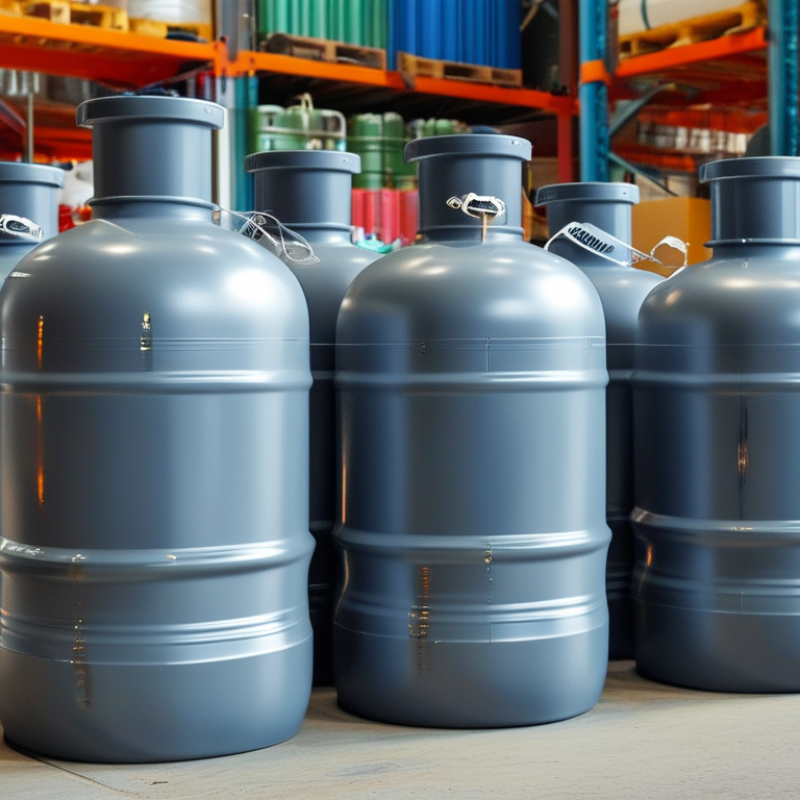
Chemical Packaging: Definition, Scope, and Global Market Role
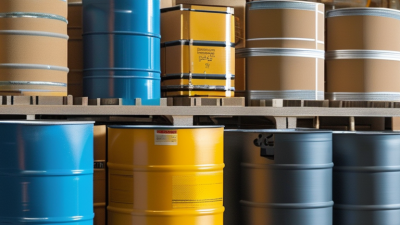
Chemical packaging is the engineered system used to contain, protect, identify, and transport chemical products. It includes drums, jerrycans, intermediate bulk containers, bottles, bags, closures, labels, and protective pallets. Materials may include high-density polyethylene, steel, fluoropolymers, or multilayer structures. Selection depends on chemical compatibility, concentration, temperature, pressure, shelf life, and handling conditions.
Its scope extends beyond the container itself. A reliable package must control leakage, moisture entry, contamination, static risk, and damage during loading. It also needs clear hazard communication and traceable batch information. In practice, packaging engineers review safety data, permeation behavior, drop performance, and closure torque. They should test filled packages under realistic transport conditions, not only in laboratories. Small failures matter. A loose cap can create a major operational problem.
Globally, chemical packaging supports manufacturing, agriculture, water treatment, pharmaceuticals, and industrial maintenance. It connects producers with distributors, ports, warehouses, and end users. Regional rules differ, so suppliers must verify transport, labeling, recycling, and material standards before shipment. Reusable systems can reduce waste, but cleaning validation and reverse logistics remain difficult. Cost still influences decisions, sometimes more than durability. That weakness deserves attention. Strong suppliers provide documented specifications, consistent quality control, technical guidance, and responsive incident support. Buyers should request compatibility evidence and inspect packaging performance over time.
Key Standards for Evaluating Chemical Packaging Suppliers
Chemical packaging suppliers should be judged by evidence, not polished catalogs. In my experience, reliable suppliers explain how containers match the product’s chemical properties, filling temperature, closure system, and storage period. Compatibility testing matters. A package that survives a short trial may still fail after months of exposure.
Ask for documented quality systems, batch traceability, inspection records, and current test reports. Packaging intended for regulated transport should meet applicable international performance standards, with clear markings and supporting certificates. Check whether the supplier tests wall thickness, seal strength, drop resistance, and pressure behavior. Small details matter.
Look beyond the factory gate. Review raw material controls, change-notification procedures, complaint handling, and emergency response. Request samples from normal production, not specially selected units. That choice can reveal uneven molding, weak threads, or inconsistent closures. Audit findings should be specific, dated, and properly corrected.
No supplier is flawless. A transparent supplier admits limitations and discusses preventive action without defensive language. I would also examine lead times, backup capacity, export documentation, and communication across time zones. Sustainability claims need measurable data, such as recycled content, material reduction, or verified recovery routes. A lower purchase price can become expensive when damaged packages, delayed shipments, or rejected batches enter the picture.
Packaging Products, Materials, and Customization Capabilities
Global chemical buyers need packaging that protects contents and supports safe, efficient handling. In 2026, supplier evaluation extends beyond price. It includes container design, material traceability, closure performance, and documented quality controls. Common products include HDPE drums, fluorinated bottles, jerrycans, IBCs, flexible bags, and lined steel containers. Each option serves a different risk profile. Small details matter. A reliable supplier explains why a material fits a chemical, rather than simply offering a catalog item.
Material selection starts with compatibility testing. HDPE suits many corrosive and aqueous formulations, while fluoropolymer linings can improve resistance in demanding applications. Steel provides strength during transport, but coatings and seals require careful review. Suppliers should provide resin data, batch records, drop-test results, and closure torque guidance. Customization may include color, wall thickness, neck finish, labels, pallet patterns, vented closures, and tamper-evident features. These choices should match filling equipment, storage conditions, and shipment requirements.
Practical customization should reflect real operating environments. A supplier may adjust dimensions for automated capping or add grip zones for manual handling. Sampling before production can reveal leakage, deformation, or labeling problems. No package is perfect. A specification can look complete yet miss condensation, temperature changes, or warehouse impacts. That weakness deserves honest review. Buyers should compare pilot results, inspection methods, lead times, and technical support. Clear communication often prevents expensive rework.
How Global Buyers Can Compare and Select the Right Supplier
2026 Top Chemical Packaging Suppliers for Global Buyers
How Global Buyers Can Compare and Select the Right Supplier
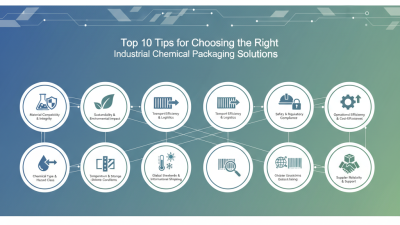
Choosing a chemical packaging supplier requires more than comparing unit prices. Buyers should review material compatibility, closure performance, production capacity, and export experience. Ask for recent test reports, safety data, and documented quality procedures. Reliable suppliers can explain how each package performs with acids, solvents, powders, or other approved materials.
Request samples before signing a large contract. Fill them with a representative product, then observe leakage, swelling, odor, and label adhesion. Check the container after stacking it on a pallet for several days. A small warehouse trial often reveals problems that catalog photos hide. Measure neck dimensions and closure torque carefully. Small differences can disrupt filling lines.
Supplier audits should examine batch traceability, inspection records, corrective actions, and worker training. Confirm that packaging meets the destination market’s current transport and labeling requirements. Clear communication matters too. Can the supplier respond quickly when forecasts change? Can it explain delays honestly? A low price may hide weak documentation or unstable lead times. A spreadsheet can still mislead.
Buyers should score suppliers using the same criteria, including total landed cost, defect rates, minimum order quantity, and delivery history. Independent laboratory testing can strengthen the decision when the chemical is aggressive or temperature-sensitive. Keep written specifications and approval samples. Even experienced teams miss details during urgent sourcing. Review assumptions before placing the order.