
Careers
10 Best Chemical Blending Companies for Global Buyers
Choosing a chemical blending partner is not simply a search for the lowest quoted price. Global buyers need consistent formulations, dependable documentation, and practical support across borders. This guide introduces 10 best chemical blending companies for global buyers, with attention to their capabilities, industries served, and quality systems.
The evaluation considers formulation expertise, batch flexibility, production capacity, packaging options, and supply reliability. It also examines evidence such as certificates of analysis, lot traceability, safety data sheets, and documented quality procedures. A capable supplier should explain how raw materials are approved and how finished batches are tested. Small details matter. A clearly labeled pallet can prevent costly warehouse confusion.
Compliance matters everywhere.
Buyers should verify current certifications, export requirements, and product restrictions before signing a contract. Standards may differ between regions, even when the same chemical formulation is sold. Site audits, sample testing, and reference checks can reveal weaknesses hidden by polished marketing materials. Public information is often incomplete. Therefore, this list should support due diligence, not replace it.
The companies discussed may serve different needs. One may excel at pilot batches, while another supports high-volume industrial production. Some provide custom blending, private-label packaging, or controlled-temperature handling. Others may offer stronger regional logistics but less technical development. Those distinctions deserve careful attention.
No ranking can fit every buyer.
Real performance depends on communication, specifications, lead times, and changing market conditions. Readers should compare suppliers against their own technical, commercial, and regulatory requirements. Used carefully, this overview can help procurement teams identify credible partners and ask better questions about chemical blending.
What Chemical Blending Companies Do and Why Global Buyers Use Them
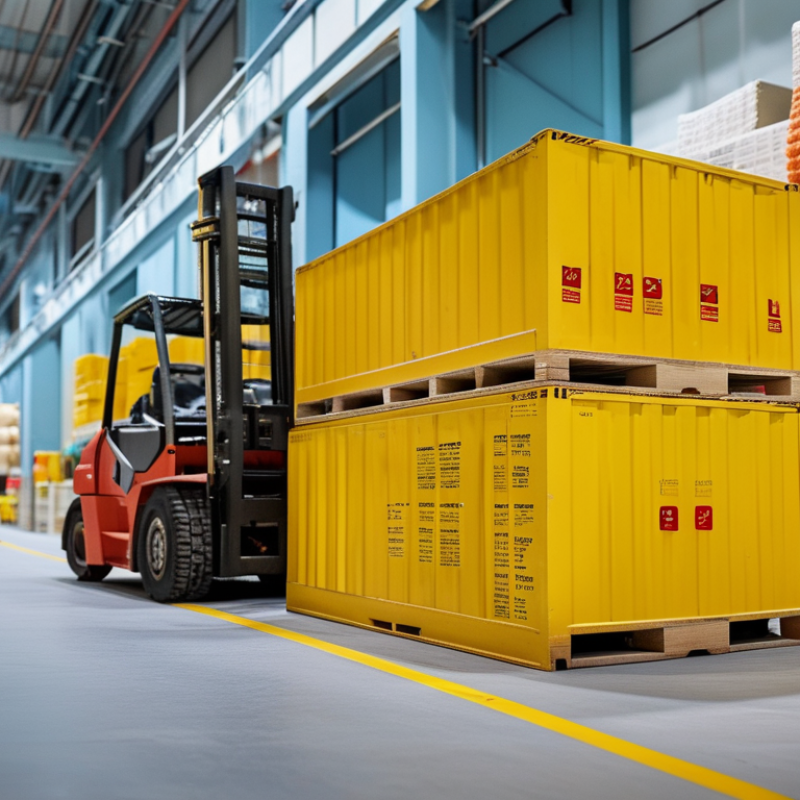
Chemical blending companies combine approved raw materials into consistent, ready-to-use formulations for industrial buyers. Their work may include heating, mixing, dilution, filtration, pH adjustment, and controlled filling. A typical batch could move from a stainless-steel vessel into 200-liter drums, with samples retained for future testing.
Global buyers use these companies because local production is not always practical. A capable blender can match a technical specification, manage multiple batch sizes, and provide practical documents. These may include a certificate of analysis, safety data sheet, batch record, and traceability details. Quality teams often check viscosity, color, density, moisture, and active concentration before shipment.
The real value is consistency.
Blending partners can also reduce storage pressure and simplify international sourcing. They may coordinate packaging, pallet requirements, export paperwork, and delivery schedules. However, buyers should not trust a polished quotation alone. A supplier may understand chemistry but lack reliable logistics. Another may promise flexibility without enough testing capacity. Clear specifications, pilot batches, audits, and defined acceptance limits reduce these risks. Buyers should also confirm regional compliance before ordering, because labeling and transport rules differ between markets. This step is sometimes rushed. That can create expensive delays. Experienced buyers ask how deviations are handled, how retained samples are stored, and who approves formulation changes. Such questions reveal operational discipline better than marketing claims.
How to Evaluate Chemical Blending Expertise, Capacity, and Product Quality
Chemical blending expertise is more than mixing ingredients in a large tank. Global buyers should examine process control, formulation experience, and documented batch history. The Global Chemicals Outlook II, published by the United Nations Environment Programme, reported that global chemical sales could nearly double between 2017 and 2030. That growth increases pressure on consistency, safety, and supply reliability.
Ask for practical evidence. Can the supplier show anonymized batch records, validated mixing times, calibration logs, and retain-sample procedures? Check whether operators monitor viscosity, density, moisture, color, and temperature at defined stages. Capacity also needs detail. A facility may advertise thousands of tons annually, yet lack suitable tanks, backup utilities, or filling lines for your product. Confirm vessel sizes, minimum batch volumes, shift patterns, packaging formats, and contingency plans. Small details matter.
Quality certification helps, but it is not proof of technical competence. The ISO Survey 2022 recorded more than 1.2 million ISO 9001 certificates worldwide, showing how common quality systems have become. Buyers should still inspect change-control records, deviation handling, complaint trends, and supplier-audit results. Request recent Certificates of Analysis and compare them with independent test results. Review safety data and regulatory controls for every raw material. Do not rely on polished paperwork alone. I have seen promising specifications fail during scale-up, often because laboratory mixing did not reflect production conditions. A pilot batch and witnessed trial may reveal more than a presentation.
Key Industries and Applications Served by Chemical Blending Companies
Chemical blending companies support many industries by combining raw materials into consistent, application-ready formulations. Their work often includes weighing, mixing, filtration, testing, and controlled packaging. Accuracy matters.
In pharmaceutical manufacturing, blended excipients support tablets, capsules, and liquid products. Food processors use approved blends for flavor systems, stabilizers, cleaning solutions, and processing aids.
Agricultural manufacturers need precise nutrient mixtures, soil conditioners, and crop-care formulations that meet regional requirements. Water treatment facilities also depend on reliable blends for pH control, filtration, and system maintenance.
Construction and infrastructure projects use blended additives in concrete, coatings, sealants, and insulation materials. Automotive manufacturers require coolants, lubricants, cleaners, and surface-treatment products with stable performance across temperature changes.
Electronics production uses high-purity solvents, cleaning agents, and specialty materials where contamination can damage delicate components.
Textile, paper, mining, and household-care operations have their own blending demands.
Experienced suppliers usually provide batch records, traceability, laboratory testing, and safety documentation. These controls help buyers verify composition and manage audits. Yet performance is not guaranteed by a specification sheet alone. Mixing order, storage temperature, moisture, and transport time can change results. That detail is easy to underestimate. Buyers should request pilot batches and independent testing before full-scale production. A technically strong partner also explains limits clearly, instead of promising identical results for every facility.
Safety, Compliance, Packaging, and International Shipping Considerations
Choosing among the 10 best chemical blending companies requires more than comparing prices. Experienced buyers inspect process controls, operator training, and documented quality systems. A reliable blender should provide current Safety Data Sheets, accurate composition ranges, and traceable batch records. Ask how deviations are investigated. Ask who approves release. Small details matter. During a site review, look for labeled vessels, clean transfer lines, calibrated scales, and controlled access to production areas. These physical signs often reveal whether procedures work beyond the sales presentation.
Compliance must follow the destination, not only the manufacturing country. Confirm hazard classification, GHS labels, transport documentation, customs codes, and import permits where required. For regulated shipments, verify applicable UN packaging instructions and carrier acceptance before production. An SDS translated for the receiving market can prevent dangerous confusion. Still, paperwork is not proof of perfect control. One overlooked revision date can delay a container or trigger a relabeling request. Buyers should request recent audit evidence, certificates of analysis, and a written change-notification process.
Packaging should match chemistry, route, and storage time. Ask about compatible drums, liners, seals, closures, and secondary containment. A leaking cap after a rough port transfer is not a minor inconvenience. It can expose workers and damage unrelated cargo. International shipping also requires moisture protection, temperature monitoring, pallet stability, and clear handling marks. Trial shipments are useful. They expose weak assumptions. I have found that delivery plans often ignore local warehouse conditions, especially heat and long customs holds. Build contingency time, inspect arrival photos, and record seal numbers. No supplier is flawless, so responsive communication and corrective action matter as much as polished documentation.
| Anonymous Supplier Profile | Typical Blending Capability | Batch-Size Range | Quality and Compliance Indicators | Hazardous-Chemical Handling | Packaging Options | International Shipping Readiness | Documentation Usually Available | Indicative Lead Time | Best Fit for Global Buyers |
|---|---|---|---|---|---|---|---|---|---|
| Supplier Profile 01 | Liquid blending; water-based cleaners, additives, and process chemicals | 100–20,000 L | ISO 9001-oriented Batch traceability and retained samples |
High Segregated storage and written handling procedures |
HDPE drums, IBC totes, jerry cans | Strong Routine palletized export shipments |
SDS, certificate of analysis, commercial invoice, packing list | 3–6 weeks after approval | Industrial buyers requiring repeatable liquid formulations |
| Supplier Profile 02 | Dry blending; powders, mineral blends, fillers, and specialty premixes | 250–25,000 kg | Documented QC Incoming-material checks and final-release testing |
Medium Dust-control and respiratory-protection programs |
Multi-wall bags, lined sacks, fiber drums | Standard Export packaging subject to product classification |
SDS, specification sheet, allergen or contamination statement when applicable | 4–8 weeks after formulation approval | Bulk powder programs with predictable annual demand |
| Supplier Profile 03 | High-purity liquid blending for laboratory and process applications | 50–5,000 L | Tight release controls Lot identification, purity testing, and change control |
High Compatible tanks and controlled transfer systems |
Small HDPE bottles, fluorinated containers, drums | Strong Experienced with air and sea freight documentation |
Certificate of analysis, SDS, technical data sheet, lot traceability records | 4–10 weeks depending on testing | Buyers prioritizing purity, consistency, and traceability |
| Supplier Profile 04 | Surfactant and detergent concentrate blending | 500–30,000 L | Structured QC Viscosity, pH, appearance, and density checks |
High Corrosive-liquid compatibility review required |
Drums, IBC totes, lined tankers | Strong Suitable for regional and intercontinental sea freight |
SDS, certificate of analysis, packing declaration, origin documents | 3–7 weeks | Home-care, institutional-cleaning, and industrial-maintenance products |
| Supplier Profile 05 | Specialty coating and adhesive component blending | 100–10,000 kg or L | Application-focused Performance testing and customer-approved specifications |
High Flammable-liquid controls may be required |
Metal cans, UN-rated drums, pails, IBC totes | Strong Dangerous-goods shipment planning available |
SDS, technical data sheet, certificate of analysis, dangerous-goods information | 5–10 weeks | OEM and construction-material buyers needing customized performance |
| Supplier Profile 06 | Water-treatment chemical blending and dilution | 500–50,000 L | Routine batch control Concentration, pH, density, and visual inspection |
High Corrosion-resistant equipment and segregation controls |
HDPE drums, IBC totes, bulk tankers | Standard Export feasibility depends on hazard classification |
SDS, certificate of analysis, product specification, transport classification | 2–6 weeks | Municipal, commercial, and industrial water-treatment programs |
| Supplier Profile 07 | Contract blending for agricultural and horticultural inputs | 200–25,000 L or kg | Regulated-product focus Batch records and market-specific label review |
High Dedicated storage may be required for regulated substances |
UN-rated jerry cans, drums, bags, IBC totes | Conditional Country registration and import permits may apply |
SDS, certificate of analysis, label data, origin and regulatory documents | 6–14 weeks | Buyers entering markets with product-registration requirements |
| Supplier Profile 08 | Cosmetic and personal-care ingredient blending | 50–10,000 kg or L | Hygiene-focused Batch records, allergen controls, and approved raw-material lists |
Medium Hazard controls vary by ingredient profile |
Small containers, drums, pails, IBC totes | Standard Suitable for consolidated export shipments |
SDS, certificate of analysis, ingredient specification, origin statement | 4–9 weeks | Brands and manufacturers requiring flexible minimum order quantities |
| Supplier Profile 09 | Polymer, resin, and plastic-additive masterbatch blending | 500–30,000 kg | Technical QC Color, moisture, melt-flow, and dispersion checks where applicable |
Medium Dust, heat, and combustible-material controls may apply |
Valve bags, lined sacks, octabins, fiber drums | Strong Well suited to containerized sea freight |
Certificate of analysis, SDS, technical data sheet, packaging specification | 4–8 weeks | Plastics processors seeking stable color and additive performance |
| Supplier Profile 10 | Small-volume custom formulation and pilot-scale blending | 10–2,000 kg or L | Flexible QC Customer-defined specifications and pilot-batch reports |
Project-dependent Risk assessment required before scale-up |
Laboratory bottles, pails, drums, specialty containers | Standard Export support depends on destination and product class |
SDS, certificate of analysis, formulation summary, sample approval record | 2–8 weeks | New-product development, sampling, and low-volume procurement |
How to Compare the 10 Best Chemical Blending Companies for Your Needs
Comparing chemical blending companies requires more than checking price per tonne. UNEP’s Global Chemicals Outlook II projects chemical production could triple by 2050 from 2017 levels. Buyers therefore need partners built for scale, traceability, and changing compliance demands. Ask for batch records, raw-material specifications, laboratory methods, and documented corrective actions. Vague answers are warning signs.
Evaluate technical fit at the plant level. Can the blender handle your viscosity, temperature, moisture, and particle-size limits? Request a representative trial batch, not only a brochure. Check whether calibrated equipment supports repeatable results. ISO 9001 certification can indicate a quality system, but it does not guarantee product performance. That distinction matters.
Logistics also deserves measurable review. UNCTAD reports that maritime transport carries over 80% of global merchandise trade by volume. A capable blender should explain packaging, hazardous-material classification, export documents, lead times, and contingency routes. Compare delivered cost, not just the blending fee. Review minimum order quantities and storage conditions in writing. Supplier audits should include worker training, spill controls, and waste handling. These details affect both risk and total cost.
Some comparisons remain imperfect. A low-cost quote may hide testing fees or delays. A technically strong partner may lack regional inventory. Request customer references from similar applications, then verify performance independently. The best choice is usually the company that can show consistent evidence, not the one making the biggest promise.
How to Compare the 10 Best Chemical Blending Companies for Global Buyers
This buyer-focused framework assigns practical evaluation weights to ten factors commonly used when assessing chemical blending partners. The percentages represent the recommended importance of each dimension and do not rank or disclose any company or brand.
Use the weighting model to compare suppliers consistently across regulatory capability, quality systems, production flexibility, logistics, technical support, and commercial terms.
Related Posts
-
Top 10 Benefits of Chemical Blending for Global Buyers
-

Essential Tips to Master Industrial Chemistry for Global Buyers
-

Discover Superior Chemical Solutions for Your Global Sourcing Needs?
-
Top 10 Essential Chemicals You Need to Know for Everyday Use
-

How to Optimize Chemical Manufacturing Processes for Increased Efficiency
-
2026 Top Manufacturing Chemical Trends for Global Buyers