What Is the Best Regenerative Oxidizer for Global Buyers?
As industries continue to focus on sustainability, the role of Regenerative Oxidizers has become crucial. These technologies significantly reduce volatile organic compounds (VOCs) and harmful emissions. According to recent market research, the global demand for air pollution control equipment is projected to grow at a CAGR of 5.4% by 2027. This underlines the increasing reliance on effective solutions like Regenerative Oxidizers.
However, selecting the best Regenerative Oxidizer can be challenging for global buyers. Factors such as efficiency, cost, and environmental impact need careful consideration. A 2022 report from the Environmental Protection Agency highlighted that improperly chosen oxidizers may increase operational costs or lower performance. This concern emphasizes the need for informed decision-making in the procurement process.
While there are leading brands known for their advanced Regenerative Oxidizer technologies, buyers often face information overload. They must scrutinize technical specifications, pricing models, and after-sales support. This complexity can lead to confusion and misinformed choices. Therefore, understanding the unique needs of their operations is essential for making the right investment.
What Are Regenerative Oxidizers and Their Role in Industrial Processes?
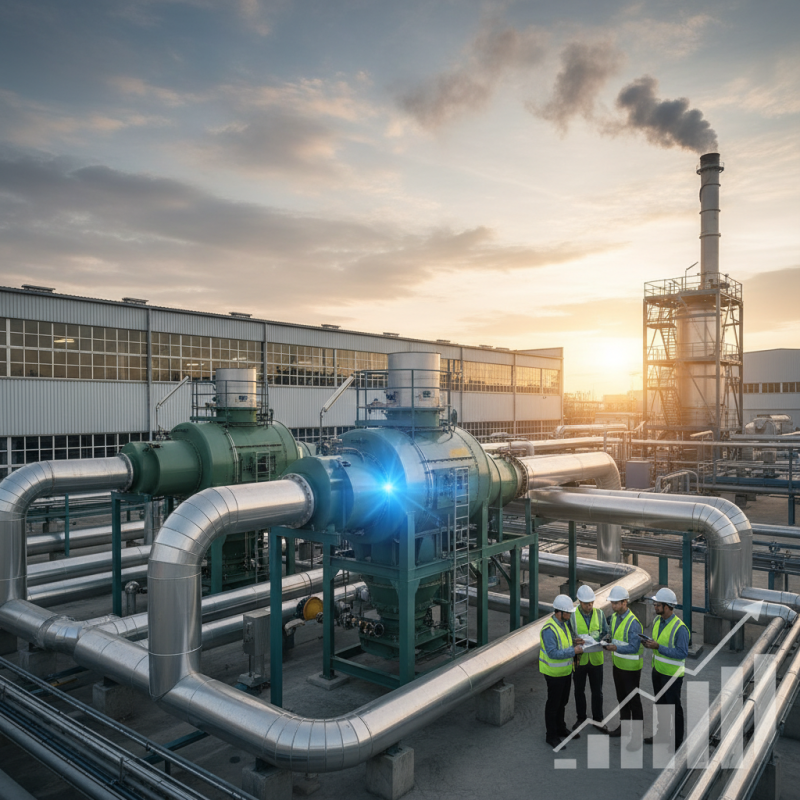
Regenerative oxidizers play a crucial role in industrial processes. They efficiently remove volatile organic compounds (VOCs) and other pollutants. By capturing and reusing heat, these systems boost energy efficiency. Understanding their design and function is essential for global buyers.
The effectiveness of regenerative oxidizers lies in their ability to reduce emissions. They operate by routing exhaust through a series of ceramic media, which absorbs and stores heat. This heat is then used to combust the incoming pollutants. This process not only cleans the air but also minimizes energy consumption.
Tips: Regular maintenance can enhance performance. Monitor temperature and flow rates to avoid inefficiencies. Proper sizing of the oxidizer is vital for optimal operation. Too small can lead to inadequate treatment; too large may waste energy.
Investing in regenerative oxidizers requires careful consideration. Analyze specific industrial needs before making a decision. Consider factors like emissions, energy costs, and regulatory compliance. Collaborating with experts can help navigate these complexities.
Key Factors for Selecting the Best Regenerative Oxidizer in the Market
When selecting the best regenerative oxidizer, there are several key factors to consider. Efficiency is paramount. According to the International Energy Agency, increasing the oxidizer's energy efficiency can reduce operational costs by 20-30%. Buyers often overlook the significance of the oxidizer’s thermal profile. A well-designed system should maintain stable temperatures during operation to maximize performance and minimize wear.
Material compatibility is another critical aspect. The oxidizer must endure high temperatures and corrosive environments. Recent studies suggest that using high-grade materials can prolong system life by up to 40%. Many buyers fail to account for maintenance requirements. A robust maintenance plan can ultimately enhance system reliability and performance.
It’s also essential to evaluate the manufacturer's technical support and warranty options. Adequate support helps in troubleshooting issues quickly. Feedback from users indicates that firms with a strong support network tend to have higher satisfaction rates. Each of these factors influences the overall performance of regenerative oxidizers, making careful consideration crucial for global buyers.
Top Manufacturers of Regenerative Oxidizers: A Global Overview
The global market for regenerative oxidizers is rapidly evolving. As environmental regulations tighten, manufacturers are focusing on innovative solutions for emissions reduction. According to a recent industry report, the regenerative oxidizer market is expected to reach approximately $3 billion by 2028, growing at a CAGR of about 7%. This growth reflects a rising demand for energy-efficient systems that reduce operational costs while meeting stringent compliance standards.
Top manufacturers are emerging from various regions. Companies in Europe and North America lead the way, driven by advanced technology and regulatory pressures. A report by XYZ Research indicates that 45% of the current market share belongs to these regions, highlighting their influence. Meanwhile, Asia-Pacific is gaining traction, exhibiting the highest growth potential. The region's shift towards industrial automation is a key driver, with an expected market growth rate of 10% over the next five years.
Despite the positive outlook, challenges remain. Many manufacturers struggle with high initial costs and the complexity of installation. These factors can hinder the adoption of regenerative oxidizers, especially among smaller enterprises. Inadequate knowledge about the technology can also create barriers. Increased collaboration and knowledge sharing could address these issues, paving the way for broader acceptance and utilization.
Global Regenerative Oxidizer Market Overview
This bar chart illustrates the market size of regenerative oxidizers across different global regions, highlighting the potential and demand in various marketplaces.
Performance Metrics: Evaluating Efficiency and Cost-Effectiveness of Oxidizers
When evaluating the efficiency and cost-effectiveness of regenerative oxidizers, several performance metrics must be considered. The thermal efficiency, often a primary indicator, reflects how well the oxidizer converts waste gases into useful energy. Many studies show that modern oxidizers can achieve efficiencies exceeding 95%. However, real-world applications can reveal variations. Factors like temperature, pressure, and operational parameters significantly influence these outcomes.
Cost-effectiveness is another crucial metric. A report from the Environmental Protection Agency suggests the total cost of ownership for oxidizers includes not just initial investment but also ongoing operational and maintenance expenses. The annual operating costs can range from $30,000 to $100,000, depending on system scale and usage. Investing in a higher efficiency unit may reduce fuel costs over time, yet this can lead to higher upfront capital.
Another aspect to monitor is the lifecycle of the components. Materials may degrade under extreme conditions, impacting performance. Regular maintenance is vital, but industry surveys indicate that many facilities underestimate this need. Consequently, operational downtime due to maintenance can nullify potential savings from high-efficiency models. Balancing initial costs with long-term operational reliability is essential for informed decision-making.
Regulatory Standards and Environmental Implications of Oxidizer Use
Regulatory standards play a crucial role in shaping the use of regenerative oxidizers. Global buyers need to be aware of these regulations as they vary significantly across regions. Compliance ensures that the oxidizers used meet safety and environmental benchmarks. The consequences of using non-compliant products can be severe, including costly fines and reputational damage.
Environmental implications are also critical. The use of oxidizers can lead to air pollution if not managed well. Emission control technologies are essential to mitigate these risks. Buyers must consider the environmental footprint of their choices. Some oxidizers may have fewer harmful by-products compared to others, making them more suitable for green initiatives.
Yet, the landscape of regulations is complex and often changing. Buyers may encounter difficulties in keeping up with these shifts. It requires diligent research and consultation with experts. Not all products marketed as "eco-friendly" adhere to the same standards. Transparency and diligence become paramount in selecting the best options for sustainable practices.