

Careers

How to Choose a Water Based Gel Coating Machine?

Choosing the right Water-Based Gel Coating Machine begins with understanding your coating process, not simply comparing catalog prices. A machine that performs well in one factory may struggle with your gel formula, substrate, or production speed. Operators often notice this during the first trial. The coating may appear smooth near the center, yet become uneven at the edges. Small details matter.

This guide examines the practical factors behind a reliable purchase. These include gel viscosity, coating width, target coating weight, drying capacity, line speed, and control accuracy. For example, a thick gel may require a stronger pump and carefully selected rollers. A narrow web may need different tension control than a wide sheet. Cleaning access also deserves attention. Residue left around a doctor blade can affect the next batch. That problem is easy to underestimate.

Experienced buyers should request test results, maintenance records, and clear specifications from equipment suppliers. Ask whether the machine has handled similar water-based materials. A factory visit or sample coating trial can reveal more than polished photographs. Check temperature control, emergency protection, spare-part availability, and operator training. These details support safer and more consistent production. They also help verify the supplier’s technical claims.

There is no perfect machine.

Budget remains important, but the lowest quotation may create higher costs through waste, downtime, and difficult cleaning. A thoughtful selection balances present output with future expansion. This article offers a practical framework for comparing machine design, supplier capability, operating reliability, and long-term value. Some decisions will still require careful testing, because real gel behavior can differ from laboratory expectations.
How to Choose a Water Based Gel Coating Machine?

What Is a Water-Based Gel Coating Machine?

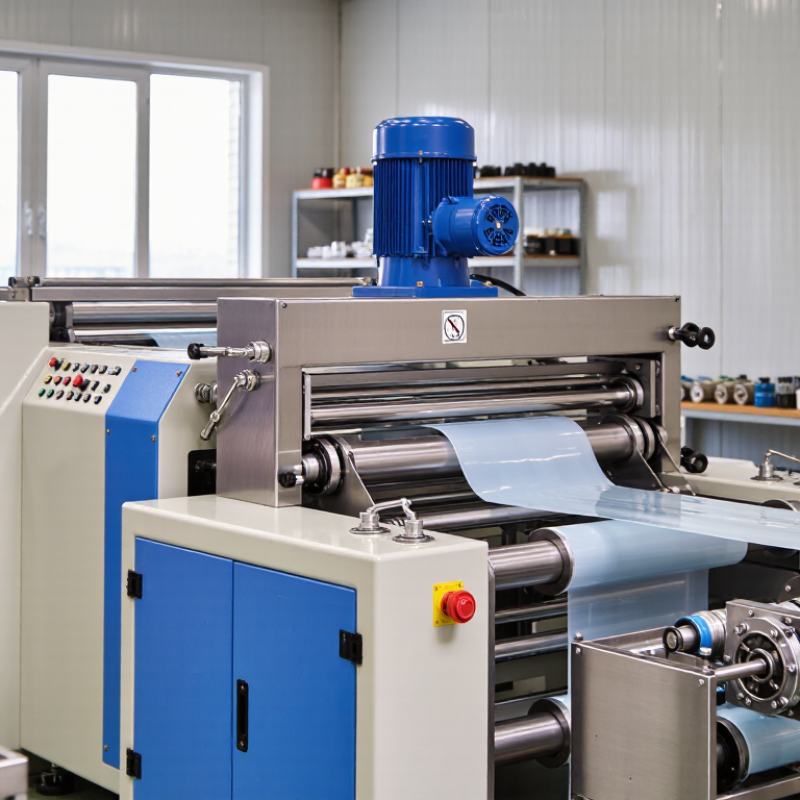
A water-based gel coating machine applies a gel-like coating carried mainly by water instead of organic solvent. It usually combines a mixing tank, metering pump, filter, applicator head, and controlled drying section. The machine spreads a consistent film across panels, textiles, molded parts, or other prepared surfaces. Water evaporates during drying, leaving the functional coating layer.

This design can support safer plant conditions and lower solvent emissions. The U.S. Environmental Protection Agency identifies waterborne coatings as a practical method for reducing volatile organic compound emissions. MarketsandMarkets reported that the global water-based coatings market could grow from about USD 78 billion in 2024 to over USD 100 billion by 2029. That growth does not make every machine suitable. Viscosity, coating width, wet-film thickness, and drying speed still control performance. Small errors matter.

Tips: Check the coating’s viscosity at actual operating temperature. Select a pump that avoids excessive shear. Ask for a trial run using your real substrate and formulation. Measure coating weight, surface smoothness, and drying time. A wider nozzle is not always better. It may waste material. Review cleaning access, filter replacement, and temperature control before purchase. Test results are more reliable than catalogue claims.

Which Coating Materials and Products Must It Handle?

A water-based gel coating machine should match the coating formula, not just the product name. It must handle acrylic dispersions, polyurethane dispersions, latex coatings, primers, and water-based inks. Each material behaves differently during pumping and application. Viscosity, solid content, pH, particle size, and drying speed all affect machine selection. Some gel coatings also contain mineral fillers or wax particles. These can increase wear inside pumps, valves, and coating heads. That detail matters.

The machine should process the actual products you plan to coat. Suitable examples include paper, cardboard, plastic film, foil, metal sheets, labels, and formed panels. Flexible films require stable tension and gentle web movement. Rigid panels need accurate gap control and even pressure. Porous paper may absorb water quickly, while smooth films can suffer from poor adhesion. The coating head must maintain a consistent layer across the full working width. Small variations become visible under bright inspection lights.

Foam is easy to underestimate. Air bubbles can create pinholes, streaks, and weak spots after drying. A practical test should measure coating weight, surface smoothness, drying time, and adhesion. Test samples should use the real formulation and substrate. Do not rely on a brochure alone; that can be a costly mistake. I would also check cleaning access, because dried water-based residue can block narrow passages. Some machines perform well with thin coatings but struggle with thicker gels. That limitation deserves honest review before purchase.

How to Choose a Water Based Gel Coating Machine? - Which Coating Materials and Products Must It Handle?

Coating Material or Product Typical Formulation Characteristics Typical Viscosity at 25°C Recommended Machine Requirements Suitable Product Applications Critical Handling Considerations
Water-Based Acrylic Gel Coating Water-dispersed acrylic polymer; commonly supplied at approximately 35–60% total solids. 500–5,000 mPa·s Low-shear mixing tank, corrosion-resistant wetted parts, adjustable coating gap, and metering roll or slot-die system. Decorative panels, paper products, coated films, labels, and general industrial surfaces. Avoid excessive shear and foaming. Maintain stable pH and prevent the coating from drying on exposed machine surfaces.
Water-Based Polyurethane Dispersion Aliphatic or aromatic polyurethane dispersed in water; typically used where flexibility, abrasion resistance, or adhesion is required. 100–3,000 mPa·s Gentle agitation, precise flow control, smooth sanitary piping, and a coating head capable of maintaining a uniform thin film. Flexible films, synthetic leather, textiles, wood surfaces, and protective topcoats. Use compatible seals and hoses. Avoid contamination by oils, solvents, or incompatible crosslinkers.
Water-Based Epoxy Coating Two-component or modified epoxy system; often supplied with a resin component and a water-compatible curing agent. 500–10,000 mPa·s Separate component storage, accurate ratio control, short and easily cleanable fluid paths, and optional heated or temperature-controlled tanks. Metal protection, concrete floors, machinery parts, and chemical-resistant industrial finishes. Observe the stated pot life after mixing. The machine should minimize dead zones and support prompt cleaning after production.
Water-Based Silicone Emulsion Silicone polymer dispersed in water; generally selected for release, slip, water repellency, or surface conditioning. 50–2,000 mPa·s Low-shear circulation, dedicated hoses and tanks, controlled dosing, and equipment designed to limit air entrainment. Release coatings, textiles, rubber products, paper, films, and molded components. Silicone contamination can affect later bonding, printing, or painting processes. Dedicated equipment may be necessary.
Water-Based PVA or VAE Adhesive Polyvinyl acetate or vinyl acetate-ethylene dispersion; commonly used as an adhesive or binder. 500–20,000 mPa·s Positive-displacement pump, low-shear mixer, heated or insulated supply tank when required, and adjustable bead or film applicator. Wood assembly, packaging, paper lamination, labels, and nonwoven products. Prevent skin formation and microbial contamination. Use a pump sized for the adhesive viscosity and required line speed.
Water-Based Barrier Coating Polymer, mineral, or hybrid formulation designed to reduce water, grease, oxygen, or aroma transmission. 100–8,000 mPa·s Accurate film-weight control, stable web handling, uniform drying, and a coating head suitable for the target substrate. Food-contact paperboard, packaging films, molded fiber, and technical papers. Drying conditions must be validated for the substrate. Coating weight and residual moisture should be monitored during production.
Water-Based UV-Reactive Coating Water-based dispersion containing photo-reactive components; water is removed before ultraviolet curing. 100–3,000 mPa·s Enclosed or light-protected circulation system, controlled drying zone, compatible pump, and UV curing unit sized for the line speed. Wood finishes, printed graphics, plastic films, and specialty protective coatings. Protect the coating from unintended UV exposure. Verify that water removal is sufficient before curing.
Water-Based Ceramic or Mineral Slurry Water containing ceramic, silica, clay, calcium carbonate, or other fine solid particles; solids may range from about 30–70%. 1,000–50,000 mPa·s Agitated storage tank, abrasion-resistant pump and piping, solids-suspension capability, filtration, and robust gap or curtain coating equipment. Ceramic sheets, construction boards, refractory products, paper, and engineered surfaces. Prevent sedimentation and excessive wear. Select seals, valves, and pump materials according to particle size and hardness.
Water-Based Pigmented Coating or Ink Water-based binder containing pigments, additives, and colorants; formulation rheology varies widely by application. 50–5,000 mPa·s High-accuracy metering, gentle recirculation, filtered supply, color-change cleaning procedure, and optional inline viscosity monitoring. Paper, cardboard, films, textiles, metal sheets, and printed packaging. Prevent pigment settling and foam formation. Wetted components should resist corrosion and avoid introducing particles into the coating.
Water-Based Wood Coating Acrylic, polyurethane, or hybrid dispersion formulated for wood penetration, coloring, sealing, or protection. 100–4,000 mPa·s Low-shear mixing, controlled flow, adjustable applicator pressure, smooth fluid passages, and drying capability suitable for wood moisture sensitivity. Furniture, flooring, cabinets, panels, doors, and interior wood components. Uniform application is affected by wood porosity and surface preparation. Control temperature, humidity, and drying air velocity.
Water-Based Textile Coating Polymer dispersion or elastomeric formulation applied to woven, knitted, or nonwoven fabric. 200–10,000 mPa·s Knife-over-roll, padding, reverse-roll, or slot-die applicator; accurate tension control; and drying or curing zones with adjustable airflow. Technical textiles, upholstery fabrics, coated fabrics, nonwovens, and protective textile products. The machine must accommodate fabric stretch, porosity, and width variation while maintaining consistent wet pickup.
Water-Based Anti-Corrosion Coating Aqueous acrylic, epoxy, or hybrid binder containing corrosion-inhibiting pigments and additives. 500–8,000 mPa·s Corrosion-resistant wetted parts, reliable pigment dispersion, adjustable coating thickness, and controlled drying with adequate ventilation. Steel components, metal panels, automotive parts, appliances, and industrial equipment. Substrate cleanliness and flash-rust control are essential. Coating thickness and drying conditions should be monitored for complete protection.
Typical values are general engineering ranges and can vary according to formulation, temperature, solids content, shear history, substrate, and application method. Always confirm the coating supplier’s technical data sheet before final machine selection.

How to Compare Machine Design, Capacity, and Coating Accuracy?

How to Choose a Water Based Gel Coating Machine?

How to Compare Machine Design, Capacity, and Coating Accuracy?

A water-based gel coating machine should match your material, not only your production target. During equipment trials, observe how the gel moves through tanks, pumps, hoses, and coating heads. Smooth internal surfaces reduce residue and simplify cleaning. A slow, controlled agitator can prevent settling without creating excessive foam. Small details matter.

Capacity needs careful measurement. A machine rated for 500 kilograms per hour may not reach that figure with thicker gel or frequent color changes. Ask for output data under conditions close to your process. Check tank volume, filling time, heating requirements, and changeover losses. Oversized equipment can waste energy.

Coating accuracy depends on more than a precise-looking nozzle. Evaluate speed control, gap adjustment, pressure stability, and thickness sensors. Request test samples at different line speeds. Measure wet and dry coating thickness at several points across the surface. The variation should be recorded, not described vaguely. Calibration must also be practical for operators.

In real production, even a well-designed system may need adjustment. That is normal. I would inspect cleaning access, replacement parts, and operator controls before signing a purchase agreement. A machine that reaches high capacity but produces uneven edges can create more waste than expected. Reliable performance comes from repeatable tests, clear data, and honest attention to weak points.

What Automation, Maintenance, and Safety Features Are Needed?

How to Choose a Water Based Gel Coating Machine?

A reliable machine must control viscosity, flow, and drying conditions. Water-based gels can foam during pumping. Poor control may create uneven films, pinholes, or wasted material. Choose automated dosing with load cells, flow meters, and recipe control. Closed-loop sensors should adjust speed when viscosity changes. The International Federation of Robotics reported 541,302 industrial robots were installed worldwide in 2023. This signals a clear trend toward repeatable automation, even in specialized coating lines.

Maintenance deserves equal attention. Select pumps with tool-free access and removable wetted parts. Automatic flushing can reduce residue after production. However, it should not replace inspection. I have seen cleaning systems leave deposits behind small valves. That mistake can return as blocked nozzles later. The U.S. Department of Energy notes that compressed-air systems can lose 20–30% of capacity through leaks. Monitor air pressure, hose connections, and dryer performance. Use condition monitoring for pumps, motors, and temperature sensors.

Tips: Ask for a maintenance demonstration before purchasing. Check whether operators can reach filters without entering hazardous areas. Confirm guarding, emergency stops, door interlocks, and lockout procedures. ISO 13849 provides guidance for safety-related control systems. Keep digital fault records, but do not trust alarms blindly. A sensor can drift. Verify critical readings manually during scheduled checks. Choose equipment that makes safe behavior simple, visible, and repeatable.

How to Choose a Water-Based Gel Coating Machine?

Selection priorities should focus on controllable process parameters, easy cleaning, reliable inspection access, and protection against operator exposure. The chart uses a practical 10-point evaluation framework for comparing machine specifications without referencing any company or brand.

Automation covers programmable flow, pressure, speed, and recipe control. Maintenance considers flushing, access to wear parts, filtration, and cleaning time. Safety includes guarding, emergency stops, interlocks, ventilation, and chemical handling controls. Higher scores indicate greater importance during equipment evaluation.

How to Evaluate Cost, Supplier Support, and Long-Term Value?

How to Choose a Water Based Gel Coating Machine?

When choosing a water based gel coating machine, calculate the complete investment, not only the purchase price. Include pumps, nozzles, heating units, installation, training, and spare parts. Ask for estimated energy use and daily cleaning time. Cheap is rarely cheap. A low quote may hide costly coating waste, slow changeovers, or frequent maintenance. Request a written performance test using your actual gel, viscosity, and target coating thickness. Do not rely on a generic demonstration.

Supplier support directly affects production stability. Before ordering, confirm response times, service availability, and technician qualifications. Require clear manuals, wiring diagrams, maintenance schedules, and spare-part lists. Ask whether remote troubleshooting is included after installation. Fast replies matter. I would also request references from users with similar output and material conditions. However, references can be selective. That weakness deserves attention.

Long-term value depends on reliability, flexibility, and measurable results. Compare expected service life with the cost of pumps, seals, valves, and replacement nozzles. Check whether operators can adjust speed and coating volume without complicated tools. Review warranty terms carefully, especially coverage for wear components and installation errors. A small pilot run can expose uneven coating, excessive foam, or difficult cleaning. Record output, downtime, material loss, and operator hours during the trial. An honest evaluation may show that the cheapest machine is unsuitable. Leave room for improvement.