How to Choose and Use High Purity Chemicals Effectively?
High purity chemicals play a crucial role in various industries, including pharmaceuticals, electronics, and food processing. Reports indicate that the global demand for these chemicals is projected to grow significantly, reaching $70 billion by 2026. This underscores the importance of selecting and using high purity chemicals effectively.
Choosing the right high purity chemicals can be daunting. Factors like source quality, application suitability, and cost must be considered. Missteps can lead to significant issues in product performance and safety. For example, impurities in chemicals can cause equipment malfunctions or affect the quality of the final product. These outcomes highlight the need for careful evaluation.
Using high purity chemicals effectively requires training and awareness. Laboratories must ensure that staff are knowledgeable about handling these materials. Proper storage and disposal practices are also critical. However, many may overlook these aspects, leading to waste or contamination. Reflecting on these challenges can help improve practices within the industry.
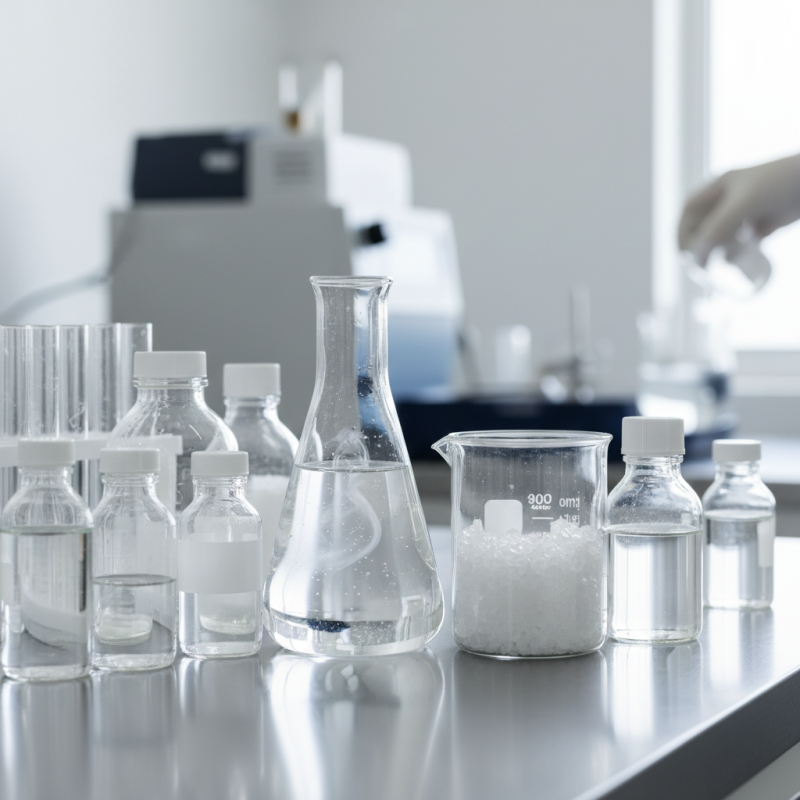
Understanding High Purity Chemicals: Definition and Importance
High purity chemicals play a critical role in various fields, including pharmaceuticals, electronics, and research. Their defined purity levels are essential for certain applications, delivering reliable results. These chemicals are often used to create precise reactions without unwanted impurities. However, understanding their properties can be challenging.
When selecting high purity chemicals, one must consider several factors. The intended use dictates the required purity level. Not all applications demand the same standards. In some cases, even slight impurities can lead to significant errors. This creates a need for vigilance. It's important to examine the specifications and certifications thoroughly. Cutting corners can lead to unreliable results.
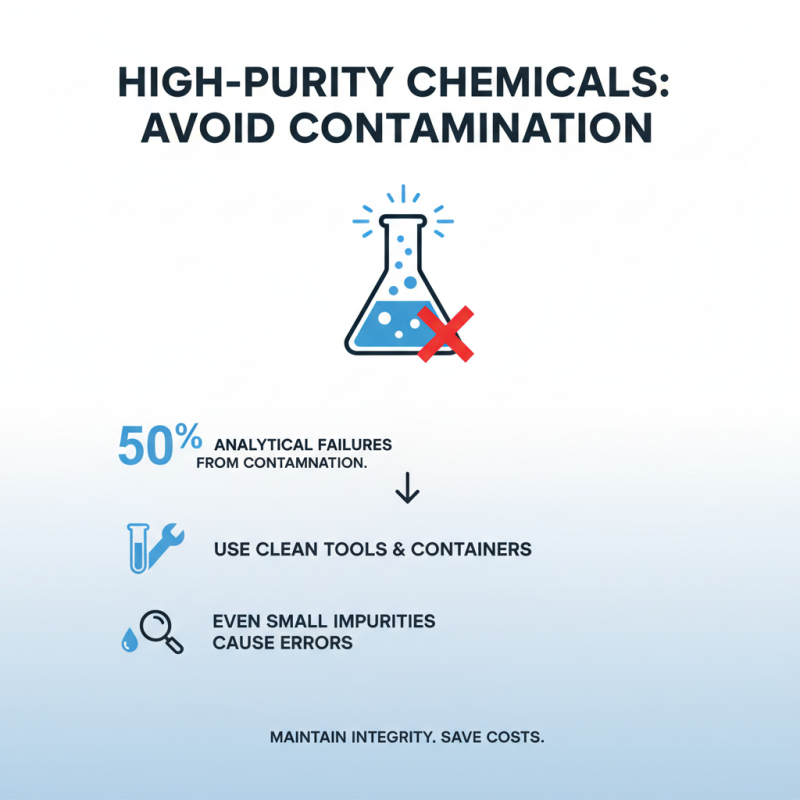
Using high purity chemicals effectively also demands proper handling. Storing these substances requires specific conditions, often cooler environments or special containers. Contamination is a valid concern. A small oversight, like using non-compliant glassware, can compromise entire experiments. Reflection on these details is essential. Regular training and safety measures should be reinforced among users. The complexity of high purity chemicals is not to be underestimated.
Usage and Importance of High Purity Chemicals
Criteria for Selecting High Purity Chemicals for Specific Applications
Selecting high purity chemicals requires careful consideration of specific application needs. Different fields, such as pharmaceuticals, require purity levels exceeding 99.9%. According to a recent report by the International Society for Pharmaceutical Engineering, nearly 70% of drug failures are linked to impurities in raw materials. This highlights the importance of sourcing high purity chemicals to maintain product efficacy.
Purity standards vary across industries. For example, analytical chemistry applications may only require a purity of 98%. However, this could still lead to inaccurate results if not properly assessed. Users should check specifications, batch provenance, and stability data before making a choice. Transparency in documentation is key for quality assurance. Many suppliers provide certificates of analysis, but it’s critical to verify their authenticity.
One common oversight occurs when users assume that higher purity guarantees better performance. This is not always the case. Chemicals that are too pure can behave unpredictably in certain reactions. Also, excessive purity can increase costs significantly. Thus, reevaluating the required purity based on application needs can lead to better resource management.
Best Practices for Storing High Purity Chemicals Safely
Storing high purity chemicals safely is crucial in many industries. The Occupational Safety and Health Administration (OSHA) highlights that improper storage can lead to contamination. Contaminants can affect experimental outcomes and distort results. According to a 2021 industry report, nearly 30% of laboratories experienced issues with chemical purity, often due to poor storage practices.
Temperature control is vital. Many high purity chemicals need to be stored in specific temperature ranges. Fluctuations can degrade these materials. An analysis showed that 40% of sample degradation occurs after just one month of improper storage. Using dedicated refrigeration units can mitigate these risks effectively. Regularly checking the environment ensures that chemicals remain stable.
Container integrity is another key aspect. Glass containers are often preferred due to their non-porous nature; however, they can break easily. Plastic containers are lighter but may interact with certain chemicals. A study indicated that 25% of chemical storage issues result from the wrong container type.
Labeling is essential, too. Clear labels help prevent accidental misuse and improve safety. Keeping an organized inventory can be a challenge but is essential for effective management.
Effective Techniques for Using High Purity Chemicals in Experiments
Using high purity chemicals in experiments is crucial for achieving accurate results. When handling these chemicals, it's important to consider the environment. Ensure that your workspace is clean and free from contaminants. Any residue from other substances can lead to unpredictable outcomes.
Prepare solutions with precision. Use calibrated instruments for measuring. Even a small error in measurement can affect the entire experiment. Check the expiration dates on chemical containers. Expired chemicals may not provide the expected purity, leading to unreliable data.
Documentation is another vital aspect. Keep a detailed log of each step in your experiments. This practice allows for easy troubleshooting if something goes wrong. Reflect on your methodologies regularly. It helps to identify patterns of error and improve your techniques. Pay attention to the feedback from your results and adjust accordingly.
How to Choose and Use High Purity Chemicals Effectively? - Effective Techniques for Using High Purity Chemicals in Experiments
| Chemical Name |
Purity (%) |
Suitable Applications |
Storage Conditions |
Safety Precautions |
| Sodium Chloride |
99.9% |
Biochemical applications, buffer preparation |
Store in a cool, dry place, away from moisture |
Avoid contact with skin and eyes |
| Acetic Acid |
99.5% |
pH adjustments, organic synthesis |
Store in glass containers, cool and ventilated |
Wear gloves and goggles |
| Hydrochloric Acid |
37% |
Acid-base reactions, metal cleaning |
Store in a tightly sealed container, cool and dry place |
Corrosive; handle with care |
| Ethanol |
99.5% |
Solvent for organic reactions, antiseptic |
Store in a cool, dry area, away from heat sources |
Flammable; keep away from open flames |
| Potassium Phosphate |
99% |
Buffer solutions, fertilizers |
Store moisture-free, in a cool environment |
Non-toxic, handle with care |