2025 How to Choose the Best Industrial and Chemical Solutions for Your Business
In today’s fast-paced business environment, selecting the right industrial and chemical solutions is crucial for operational efficiency and sustainability. As industries evolve, the demand for innovative and effective solutions becomes increasingly significant. Whether you're a manufacturer seeking to enhance production processes or a service provider looking to optimize resource management, understanding the myriad of options available is key to making informed decisions.
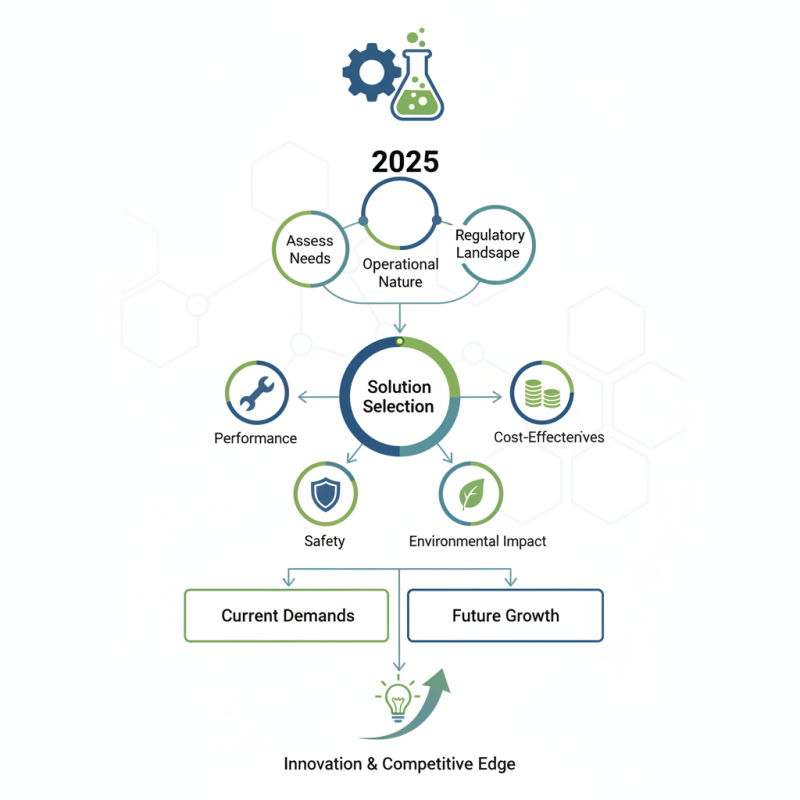
The process of choosing the best industrial and chemical solutions involves a careful assessment of your specific needs, the nature of your operations, and the regulatory landscape that governs your industry. Factors such as performance, safety, cost-effectiveness, and environmental impact play a vital role in determining the ideal solutions tailored to your business goals. By taking a strategic approach and leveraging expert insights, organizations can navigate the complexities of the market and implement solutions that not only meet current demands but also position them for future growth.
As we delve deeper into the intricacies of industrial and chemical solutions, this guide aims to provide clarity and direction, helping businesses identify the necessary tools and practices to thrive in their respective sectors. Whether you are new to the industry or an established player, understanding how to align your operations with effective chemical solutions can drive innovation and enhance your competitive edge.
Understanding Your Business Needs for Industrial and Chemical Solutions
When selecting industrial and chemical solutions for your business, it's essential to start by understanding your specific operational needs. This involves conducting a thorough assessment of your processes, identifying any inefficiencies, and pinpointing areas for improvement. Knowing your production requirements, environmental considerations, and safety practices will help narrow down the solutions that best fit your business.
**Tips:** Engage with your team to gather insights about daily challenges and needs. This collaboration can unveil unique perspectives that may guide you toward innovative solutions.
Another critical aspect is to evaluate suppliers based on their expertise and reliability in the industry. Researching their track record with businesses similar to yours can provide valuable insights into their capabilities. Pay attention to their commitment to sustainability and compliance with safety regulations, as these factors can significantly impact your operations and reputation.
**Tips:** Request case studies or references from potential suppliers to better understand their problem-solving approaches and the success of their solutions in real-world applications. This will help you make an informed decision.
2025 How to Choose the Best Industrial and Chemical Solutions for Your Business
| Criteria |
Description |
Importance (1-5) |
Key Considerations |
| Cost |
Evaluate the total cost of ownership, including installation and maintenance. |
5 |
Budget constraints, ROI analysis. |
| Regulatory Compliance |
Ensure solutions meet industry regulations and safety standards. |
5 |
Local, national and international regulations. |
| Scalability |
Ability to scale operations up or down based on demand. |
4 |
Projected growth, flexibility of solutions. |
| Technical Support |
Availability of technical assistance and training for operators. |
4 |
Response times, training programs available. |
| Environmental Impact |
Assessment of how the solutions affect the environment. |
3 |
Sustainability practices, chemical safety. |
Evaluating Different Types of Industrial and Chemical Products Available
When evaluating different types of industrial and chemical products available for your business, it’s essential to conduct thorough research. Start by identifying the specific needs of your operations. Different industries may require distinct solutions, be it for manufacturing processes, logistics, or maintenance. Consider the properties of the products available, such as their efficacy, safety, and compliance with industry regulations. This foundational understanding will help you narrow down options that align with your operational requirements.
Tips: Always prioritize safety and compliance when selecting industrial and chemical solutions. Review the Material Safety Data Sheets (MSDS) for any product to understand its hazards and proper handling procedures. Additionally, seek out reviews or case studies related to the products you are considering, as real-world feedback can provide valuable insights into their performance.
Another crucial aspect is the supplier’s reliability. Investigate their track record, customer service, and availability of technical support. Reliable suppliers will not only provide quality products but also assist with any challenges that might arise during usage. Engaging with suppliers who prioritize sustainable practices can also benefit your business in the long term, as environmental considerations become increasingly vital in today’s market.
Tips: Look for suppliers who are responsive and willing to offer customization options based on your specific needs. Establishing a solid relationship with your supplier can lead to better pricing and tailored solutions that improve your operational efficiency.
Assessing Supplier Reliability and Product Quality Standards
When selecting industrial and chemical solutions for your business, understanding supplier reliability and product quality standards is fundamental. A recent report from the International Chemical Trade Association highlights that 72% of manufacturers prioritize supplier stability, emphasizing the necessity for consistent product delivery and adherence to industry regulations. Furthermore, assessing suppliers based on certifications such as ISO 9001 can help ensure that they meet stringent quality management standards, ultimately enhancing your operational efficiency and product safety.
Tips: Always conduct a thorough background check on potential suppliers. Look for reviews, testimonials, and industry certifications that can provide insight into their reliability. Additionally, consider requesting sample products to evaluate their quality before making larger commitments.
Moreover, regular audits and performance evaluations of suppliers can help maintain quality standards. According to the American Chemical Society, companies that engage in quarterly assessments see a 15% improvement in overall product quality. Establishing a transparent communication channel with suppliers not only fosters trust but also enables quick resolution of any quality issues, ensuring that your production process remains uninterrupted.
Tips: Develop a checklist for supplier evaluation that includes criteria like delivery performance, quality assurance processes, and customer service responsiveness. This structured approach can simplify the decision-making process and mitigate risks associated with supplier reliability.
2025 Industrial and Chemical Solutions: Supplier Reliability vs Product Quality Standards
Cost Analysis and Budgeting for Chemical Solutions
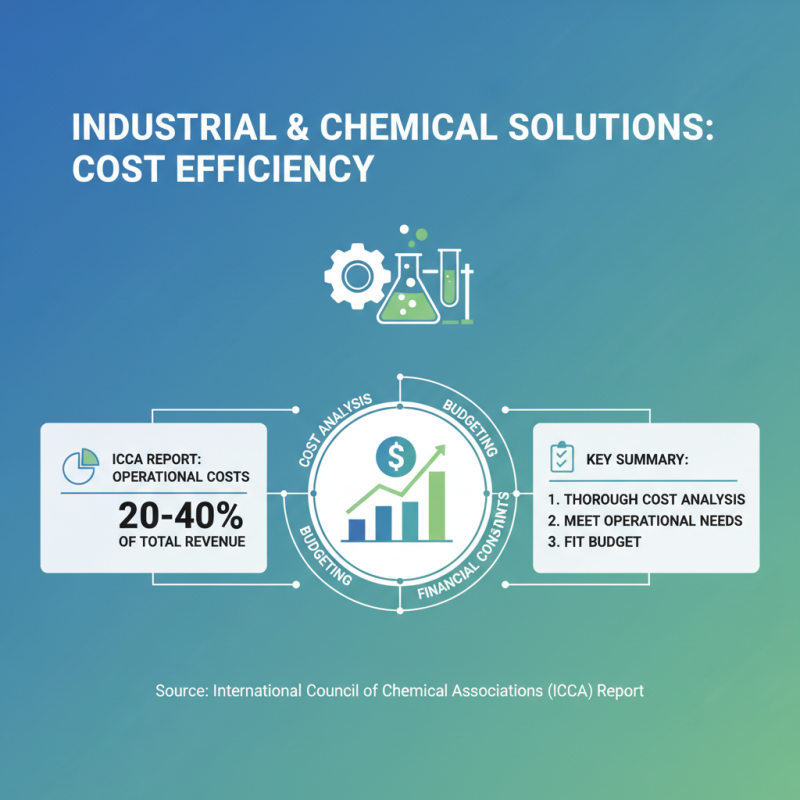
When selecting industrial and chemical solutions for your business, a thorough cost analysis and budgeting process is essential. According to a recent report by the International Council of Chemical Associations (ICCA), businesses in the chemical sector can face operational costs that range from 20% to 40% of their total revenue, depending on the complexity and scale of their operations. This underscores the importance of understanding which solutions will not only meet operational needs but also fit within financial constraints.
An effective budgeting strategy should involve a detailed examination of both direct and indirect costs associated with chemical solutions. Direct costs include the purchase price of raw materials and equipment, while indirect costs can encompass environmental compliance, transportation, and storage fees. A study by the American Chemical Society found that companies that allocate approximately 10-15% of their budget towards innovative solutions and efficiency improvements experience an average return on investment of over 25% within the first three years. This data highlights the potential profitability of investing in the right industrial and chemical solutions, emphasizing the need for businesses to evaluate their options meticulously to achieve a balanced budget while driving growth and sustainability.
Sustainability and Regulatory Considerations in Selection Process
In today's manufacturing environment, sustainability and regulatory compliance are critical considerations when selecting industrial and chemical solutions for your business. According to the World Economic Forum, nearly 90% of CEOs believe that sustainability is essential to their corporate strategy. This sentiment is echoed in industry reports highlighting that companies prioritizing sustainability can achieve cost reductions up to 30% and enhance their market positioning. As regulations continue to evolve, businesses must not only adhere to existing laws but also anticipate future changes to avoid non-compliance risks.
When evaluating potential solutions, it’s vital to conduct a thorough assessment of the sustainability credentials of your options. Look for certifications and track records that demonstrate a commitment to environmentally friendly practices. For instance, consider implementations that reduce greenhouse gas emissions or waste. The International Energy Agency emphasizes that industrial processes can significantly cut energy consumption by adopting more sustainable practices, potentially saving billions in operational costs.
Tip: Engage in a life-cycle analysis to understand the environmental impact of your choices from production to disposal. This approach helps identify opportunities for improvement that align with both cost-effectiveness and sustainability.
Regulatory frameworks, such as the REACH regulation in Europe, require companies to disclose chemical substances and their safety profiles. Staying informed about such regulations is crucial for ensuring compliance and avoiding possible penalties. Collaborating with regulatory experts or leveraging technological solutions for compliance management can be beneficial in navigating these complexities efficiently.
Tip: Regularly review regulatory updates and consider joining industry associations that offer insights and training on compliance and sustainability best practices.