How to Choose the Right Chemical Blending Equipment for Your Needs?
Selecting the right chemical blending equipment is crucial for success in many industries. According to Dr. Samuel Reed, a prominent expert in chemical engineering, "The choice of blending equipment impacts product quality and operational efficiency significantly." His insights remind us that the equipment we choose can shape our processes and outcomes.
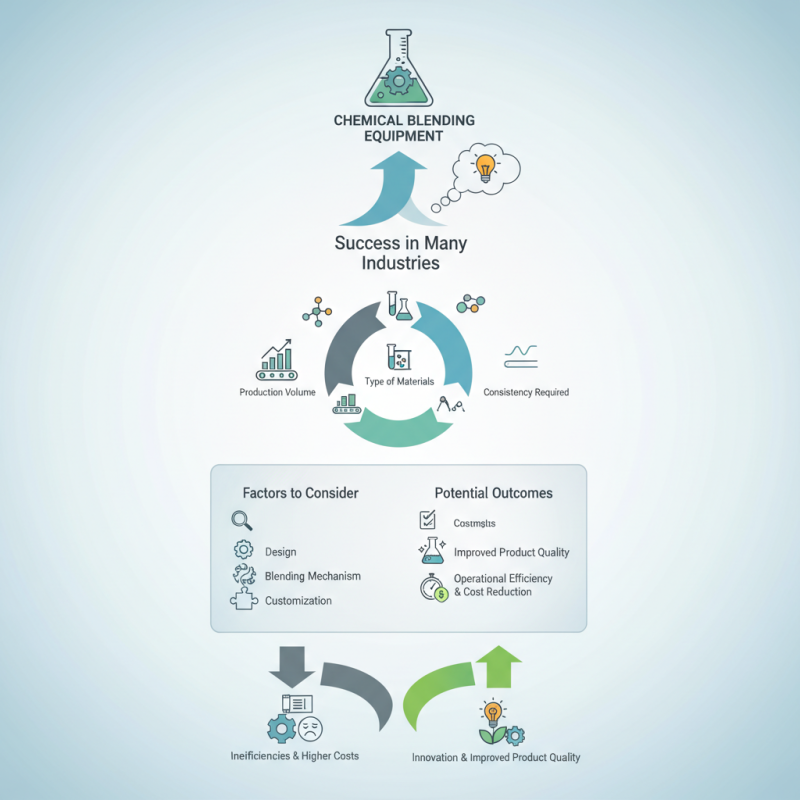
In the world of chemical blending, understanding specific needs is vital. Various factors influence equipment selection, including the type of materials, production volume, and consistency required. The market offers a range of options, yet not all equipment will meet your unique demands.
Taking time to evaluate features is essential. For instance, the design and the type of blending mechanism can determine effectiveness. Often, businesses overlook the importance of customization. It’s easy to settle for standard models without analyzing their limitations. This can lead to inefficiencies and higher costs. A thoughtful approach in choosing chemical blending equipment can foster innovation and improve product quality.
Types of Chemical Blending Equipment and Their Applications
When choosing chemical blending equipment, it’s crucial to understand the types and their specific applications. For instance, paddle blenders are commonly used for dry powder blending. These machines have flat blades that mix efficiently. They help achieve uniform blending of materials with varying densities. This equipment is ideal for pharmaceutical and food industries.
Another type is the tank mixer. These mixers are versatile and often use different mixing techniques. They can handle liquids of various viscosities. This makes them useful in many sectors, such as cosmetics and chemicals. However, users must consider the mixer’s capacity and the type of liquids involved.
There are also high-shear mixers. These pieces of equipment excel in emulsifying and homogenizing mixtures. Their unique design allows for rapid blending at high speeds. They are essential in the production of emulsions and creams. Nonetheless, one must be cautious about the heat generated and viscosity limits. Understanding your specific needs is vital before selecting the right equipment. Adjusting to the specific process can be challenging, but it’s necessary for optimal results.
Types of Chemical Blending Equipment and Their Applications
Key Factors to Consider When Selecting Blending Equipment
When selecting chemical blending equipment, several key factors demand attention. One crucial aspect is the type of materials to be blended. For example, different chemicals require specific configurations to achieve the desired blend quality. As per a recent industry report, improper blending can lead to a 15% reduction in product efficacy. This statistic highlights the importance of choosing the right equipment for your specific substances.
Another vital factor is the blending process itself. Continuous versus batch blending can greatly influence production efficiency. A study from the Chemical Engineering Journal reveals that continuous blending can increase throughput by up to 25% in some applications compared to batch processes. Understanding these differences helps in making informed decisions that align with production goals.
Additionally, consider maintenance needs. Equipment that requires frequent maintenance can disrupt operations. Research indicates that equipment downtime can cost companies approximately $2 million annually. Contemplating reliability and ongoing maintenance is essential for optimal production.
Selecting the appropriate chemical blending equipment is not just about the initial purchase. It requires thoughtful consideration of materials, process types, and maintenance capabilities. A reflective approach will ensure that your choices lead to improved efficiency and product quality.
Evaluating Blending Efficiency and Performance Metrics
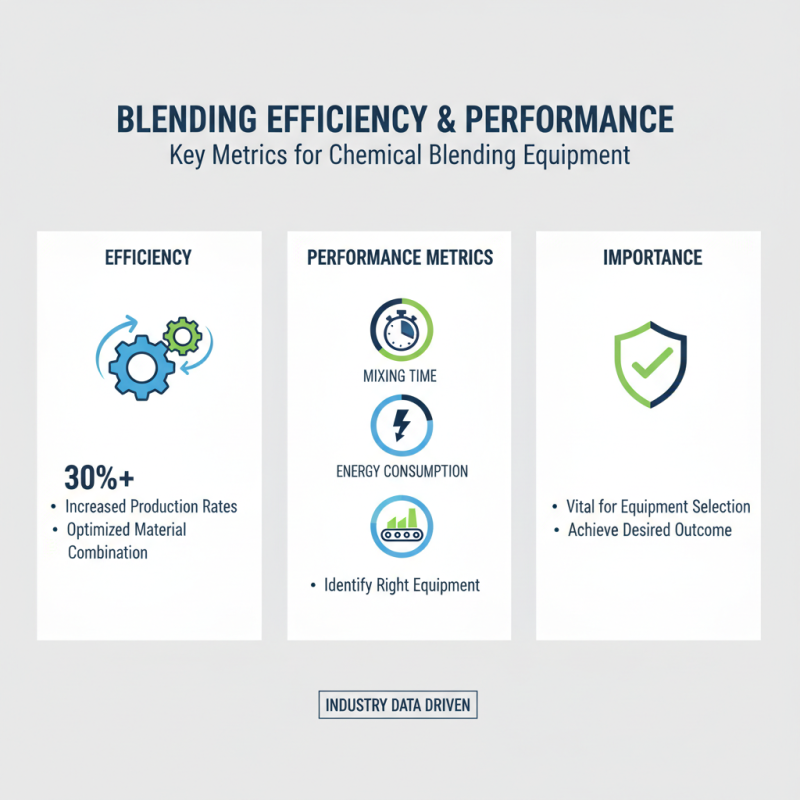
Evaluating blending efficiency and performance metrics is vital when selecting chemical blending equipment. Efficiency refers to how well equipment combines materials to achieve the desired outcome. Industry data reveals that equipment efficiency can impact production rates by over 30%. Understanding performance metrics like mixing time, energy consumption, and throughput helps identify the right equipment.
When considering blending performance, focus on specific metrics. For example, examine the blending homogeneity—how uniformly materials mix at various scales. A study indicated that maintaining a uniform blend can reduce batch variability by 15%. Additionally, energy consumption is crucial. Efficient equipment can lower operational costs by approximately 20% annually.
Tips for choosing the right equipment include assessing your blending needs and expected output. Consider trial runs with sample batches. This can reveal unforeseen blending challenges. Investing time in evaluating blending systems pays off in optimized processes and consistent product quality. Don't overlook the need for maintenance and upgrades too; neglecting this can diminish performance. Regular assessments can enhance blending efficiency over time.
Assessing Maintenance and Support for Blending Equipment
When selecting chemical blending equipment, maintenance and support are crucial factors to consider. A 2022 industry report highlighted that over 40% of blending equipment failures stem from inadequate upkeep. Proper maintenance plans can greatly extend the life of this equipment, enhancing reliability. Many companies overlook scheduled maintenance, leading to costly downtimes and unplanned repairs.
Training for operators is often insufficient. Only 30% of employees receive formal training in equipment maintenance, according to a recent survey. This lack of expertise can result in mismanagement of blending processes. Support from manufacturers can mitigate some of these risks. A solid support plan ensures timely assistance and spare parts availability. Regular check-ups and remote support can significantly reduce potential issues.
Moreover, documentation is an essential aspect. Many companies fail to keep thorough maintenance logs. This oversight can hinder future troubleshooting and may complicate the repair process. Engaging with reputable service providers can improve overall efficiency. Investing time in selecting the right support system is vital. It lays the foundation for optimal performance and longevity of the blending equipment.
How to Choose the Right Chemical Blending Equipment for Your Needs? - Assessing Maintenance and Support for Blending Equipment
| Attribute |
Option A |
Option B |
Option C |
| Capacity (liters) |
100 |
500 |
1000 |
| Mixing Type |
Mechanical |
Magnetic |
Air Injection |
| Material Compatibility |
Acids |
Solvents |
Oils |
| Maintenance Frequency |
Monthly |
Quarterly |
Yearly |
| Support Availability |
24/7 |
Business Hours |
On Request |
Budgeting and Cost Considerations for Chemical Blending Solutions
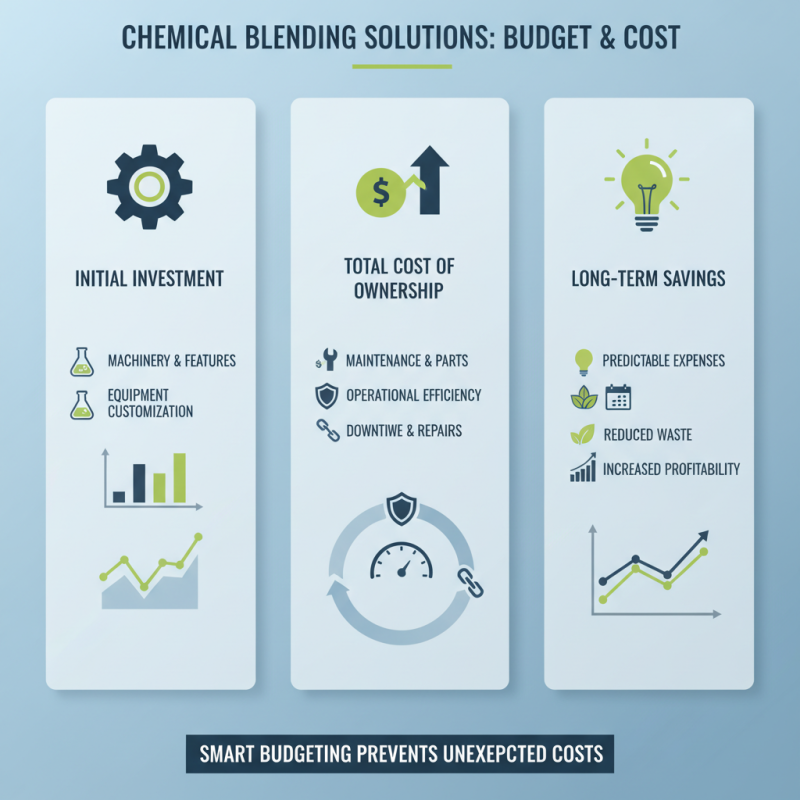
When budgeting for chemical blending equipment, it’s essential to consider various factors. The initial cost can vary significantly based on the machinery and features. However, the total cost of ownership includes maintenance, operational efficiency, and downtime. Evaluating these aspects helps ensure you don't face unexpected expenses later.
In addition to the upfront costs, consider the long-term benefits of investing in quality equipment. Higher-quality machines often offer better reliability and efficiency. This can reduce overall operational costs significantly. Look into potential energy savings as well. Sometimes, spending more upfront can lead to substantial savings down the line.
Every business has unique blending needs. Assess your production volume and the complexity of your formulations. A solution that fits one company might not work for another. It’s crucial to analyze these requirements carefully. Seek input from experienced professionals who can provide insights on what equipment will serve you best. Reflecting on past experiences can guide your investment decisions. Balancing cost and capability is key to making a wise choice.