How to Choose the Right Chemical Packaging for Your Needs
Choosing the right chemical packaging is crucial for safety and effectiveness. According to Dr. Emma Cartwright, a chemical packaging expert, "The choice of packaging can make or break a product’s success." This statement highlights the importance of careful consideration when selecting chemical packaging solutions.
Many factors influence the choice of packaging. These include the chemical's properties, storage conditions, and transportation methods. For example, corrosive substances often require specialized packaging to prevent leaks and ensure safety. It's important to reflect on the potential risks and benefits of each option. Not all packaging solutions provide adequate protection, which can lead to costly consequences.
In the chemical packaging industry, there is no one-size-fits-all solution. Some companies prioritize sustainability, while others focus solely on cost-effectiveness. Finding a balance is often challenging. As you navigate this decision, remember the complexities involved. Your choices shape not only your product's future but also safety and environmental impact.

Understanding the Importance of Chemical Packaging Selection
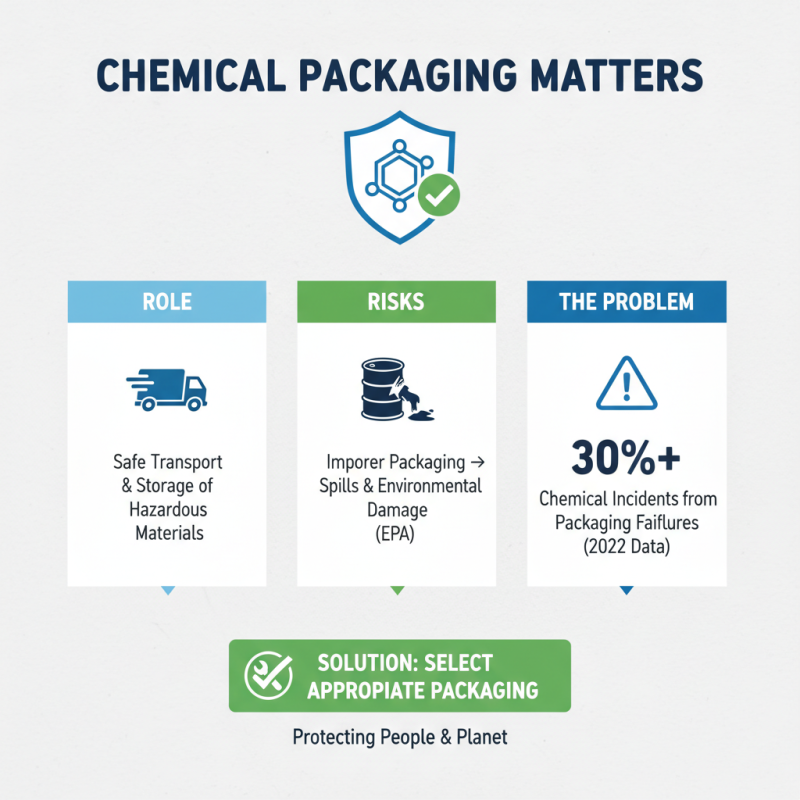
Chemical packaging plays a vital role in the safe transport and storage of hazardous materials. According to the Environmental Protection Agency, improper packaging can lead to chemical spills and associated environmental damage. In 2022, data showed that over 30% of reported chemical incidents stemmed from packaging failures. Selecting appropriate packaging is critical to avoid such risks.
When choosing chemical packaging, it is crucial to consider material compatibility. For example, some chemicals can degrade plastic, leading to leakage. A study by the Global Industry Analysts projected that the demand for chemical packaging will grow by 4.5% annually through 2026, which highlights its increasing importance. Yet, many companies still overlook this aspect. Inadequate assessments can result in costly incidents and product loss.
Regulatory compliance is another key factor. Companies often struggle to keep up with changing regulations. A survey by Packaging Strategies indicated that nearly 25% of businesses faced challenges in compliance. This situation suggests that even minor oversights can lead to significant legal repercussions. Industry professionals must remain vigilant, ensuring that their packaging choices meet both safety standards and environmental regulations.
Identifying Your Chemical's Physical and Chemical Properties
Choosing the right chemical packaging starts with understanding the physical and chemical properties of your substances. Consider factors like reactivity, toxicity, and volatility. Each property plays a crucial role in selecting the ideal packaging solution. For example, corrosive chemicals require containers made from resistant materials. These substances can easily damage inappropriate materials, leading to leaks or contamination.
Tip: Always consult a
material compatibility chart. This chart will help identify which materials best suit specific chemicals. For instance, glass often works well for acids, while plastics may be suitable for bases.
Temperature also affects packaging choices. Some chemicals may expand or contract with heat. This can create pressure build-up in rigid containers. Resealable options might be best for volatile liquids. Think about the storage environment, too. Packaging must endure both humidity and temperature changes.
Tip: Label all containers clearly. It helps prevent accidents and ensures safe handling. Think about too many labels on one container; this can confuse workers. Simplifying the messaging is often needed.
Evaluating Packaging Material Options for Chemical Safety
When evaluating packaging material options for chemical safety, it is crucial to consider various factors. Different chemicals require specific materials to prevent reactions. For instance, a 2022 industry report revealed that nearly 30% of chemical spills result from inadequate packaging. Choosing compatible materials can greatly reduce this risk.
Plastic containers are common due to their lightweight and cost-effectiveness. However, not all plastics are created equal. Some can leach harmful substances over time. A study indicated that over 15% of manufacturers reported issues related to plastic degradation. This can be an overlooked risk in the supply chain.
Glass is another option, offering superior protection against chemical reactions. Yet, glass can break easily, leading to safety hazards. Interestingly, a 2023 survey found that 22% of companies experienced product loss due to broken glass containers. It's essential to weigh these factors against your specific needs, ensuring a balance between safety and practicality.
Considering Regulatory Requirements for Chemical Packaging
Choosing the right chemical packaging goes beyond just material selection. Regulatory requirements play a crucial role. For example, the United Nations has issued guidelines for the safe transport of hazardous materials. These regulations dictate packaging specifications and labeling practices. Compliance helps prevent environmental damage and enhances safety.
According to a report by the World Health Organization, nearly 30% of chemical incidents occur due to poor packaging practices. This highlights the importance of adhering to established regulatory frameworks. Packaging must withstand specific temperature and pressure conditions. Failure to meet these standards can lead to leaks or spills, resulting in severe consequences.
Evaluating packaging options requires careful consideration of materials and design. Some materials may degrade over time, exposing them to chemical reactions. Regular audits of packaging systems are necessary to ensure compliance and safety. Disregarding regulatory guidelines can lead to significant fines and harm public trust. It’s essential to prioritize safety while balancing practicality and cost.
Chemical Packaging Material Types and Their Usage
Assessing Cost and Environmental Impact in Packaging Choices
Choosing the right chemical packaging means considering more than just cost. Environmental impact plays a crucial role in the decision-making process. According to a recent report by the International Packaging Association, over 30% of chemical companies face pressure to adopt sustainable practices. This push is driven by increased regulatory scrutiny and shifting consumer preferences toward eco-friendly solutions.
Cost-effective packaging often uses less material, which may seem beneficial. However, this can lead to weaker packaging that may leak harmful substances. The potential for environmental damage makes this a critical consideration. A life cycle analysis conducted by the Environmental Packaging Coalition found that sustainable packaging options, while initially pricier, could reduce overall disposal costs by up to 40%. This factor demonstrates the importance of looking beyond upfront costs.
Another aspect to assess is the recyclability of materials. Many industries still rely on single-use plastics, which contribute significantly to pollution. Research shows that around 79% of plastic waste is never recycled. Brands must rethink their packaging strategies to align with sustainability goals. Engaging in these discussions can spur innovation but may also reveal uncomfortable truths about previous practices. Therefore, it’s essential to critically evaluate both current methods and future possibilities for improvement.