10 Essential Tips for Safely Handling Chemistry Chemicals in the Lab
Handling chemistry chemicals in the laboratory requires a thorough understanding of safety protocols to ensure a safe working environment. Laboratories are dynamic spaces where various chemical reactions take place, making it vital for personnel to be well-versed in the essential tips for managing these substances properly. From appropriate storage solutions to proper personal protective equipment (PPE), understanding how to handle chemistry chemicals effectively not only minimizes risks of accidents or spills but also promotes a culture of safety among lab members.
In every laboratory, the variety of chemistry chemicals can pose different hazards ranging from toxicity to reactivity. Therefore, it is crucial to approach the handling of these substances with careful consideration and respect. By adhering to established safety guidelines, laboratory personnel can diminish the likelihood of exposure to harmful chemicals and ensure that any incidents are swiftly addressed. This outline discusses ten pivotal tips that will enhance safety in the lab when working with chemistry chemicals, paving the way for safer and more efficient scientific inquiry.
Understanding Lab Safety Regulations for Chemistry Handling
Understanding lab safety regulations is crucial for anyone working with chemicals in a laboratory setting. According to the American Chemical Society's report on laboratory safety practices, nearly 50% of laboratory accidents can be attributed to a lack of compliance with standard safety protocols. This highlights the necessity for comprehensive training and adherence to established regulations, such as those set forth by the Occupational Safety and Health Administration (OSHA) and the Environmental Protection Agency (EPA). These regulations not only protect personnel but also ensure the integrity of the research environment.
Effective safety handling involves understanding the specific safety data sheets (SDS) for each chemical, which provide vital information including hazards, necessary personal protective equipment, and emergency response strategies. The National Institute for Occupational Safety and Health (NIOSH) emphasizes that proper labeling and storage according to guidelines can significantly reduce the risk of chemical exposure and accidents. A well-implemented safety culture in laboratories, as suggested by recent studies, can lead to a 30% reduction in incidents, underscoring the importance of integrating safety into every aspect of laboratory operations.
10 Essential Tips for Safely Handling Chemistry Chemicals in the Lab
Identifying Common Laboratory Chemicals and Their Hazards
In any laboratory setting, identifying the common chemicals and understanding their associated hazards is crucial for maintaining safety.
Common laboratory chemicals such as
hydrochloric acid,
sodium hydroxide, and
ethanol each pose unique risks.
Hydrochloric acid, for example, is highly corrosive and can cause severe burns upon contact with skin or eyes. It is important to recognize its potential for inhalation hazards, which can damage the respiratory system.
Meanwhile, sodium hydroxide, a strong base, also presents serious corrosive risks and can cause skin and eye irritation. Proper labeling and storage of these chemicals can mitigate these risks and ensure a safer working environment.
Moreover, understanding the hazards of volatile substances such as
acetone and
benzene is essential for laboratory safety.
Acetone, commonly used as a solvent, is highly flammable and can form explosive mixtures with air. Proper ventilation and the use of flame arresters can help prevent accidental ignition.
Benzene, on the other hand, is known for its health risks, including carcinogenic properties. Adequate personal protective equipment, including gloves and goggles, along with proper chemical hygiene, should be adopted to minimize exposure during handling.
By recognizing these hazards, laboratory personnel can enact effective safety protocols and significantly reduce the risk of accidents and health issues.
Essential Personal Protective Equipment (PPE) for Chemists
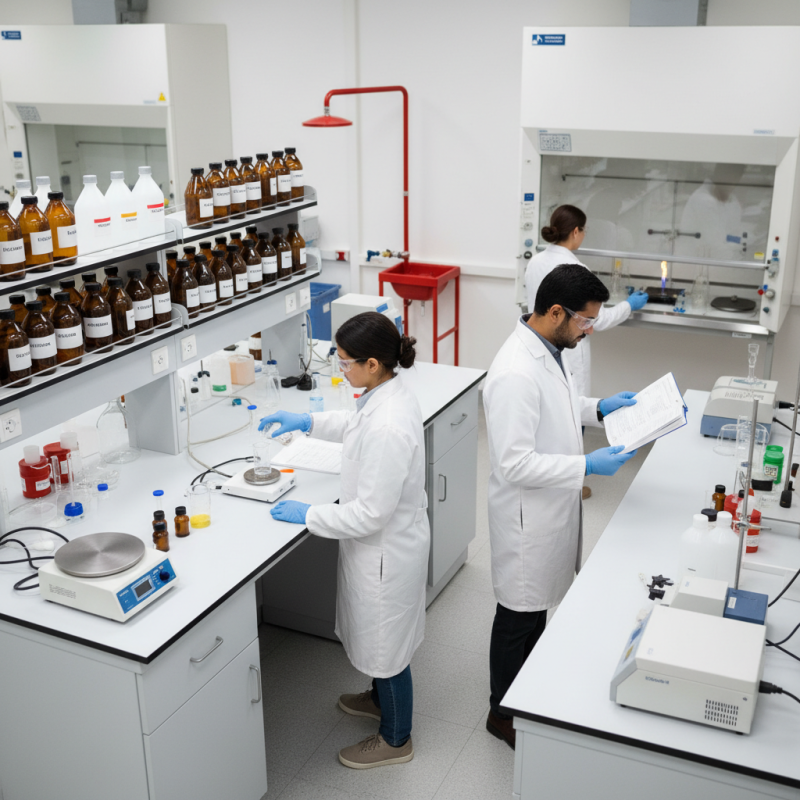
Personal Protective Equipment (PPE) is a fundamental aspect of laboratory safety for chemists. The use of appropriate PPE can significantly minimize the risk of exposure to hazardous chemicals. The most basic yet crucial item is safety goggles, which protect the eyes from splashes and harmful fumes. It is essential to choose goggles that fit securely and provide a complete seal around the eyes, as this prevents any chemicals from slipping through during experiments. In addition to eye protection, lab coats made from flame-resistant materials are vital, as they act as a barrier against spills and splashes that could damage regular clothing or harm the skin underneath.
Another critical piece of equipment is gloves, which should be selected based on the type of chemicals being handled. Nitrile gloves are generally preferred for their resistance to many solvents, while latex gloves might offer better dexterity for detailed work. However, it is important to be aware of the limitations of each type of glove, as prolonged exposure to certain chemicals can compromise the material. Furthermore, face shields should be considered for additional face protection when conducting high-risk procedures. By incorporating appropriate PPE into daily lab practices, chemists can ensure a safer working environment, allowing for effective experimentation while minimizing health risks associated with chemical handling.
Proper Storage Techniques for Chemicals to Prevent Reactions
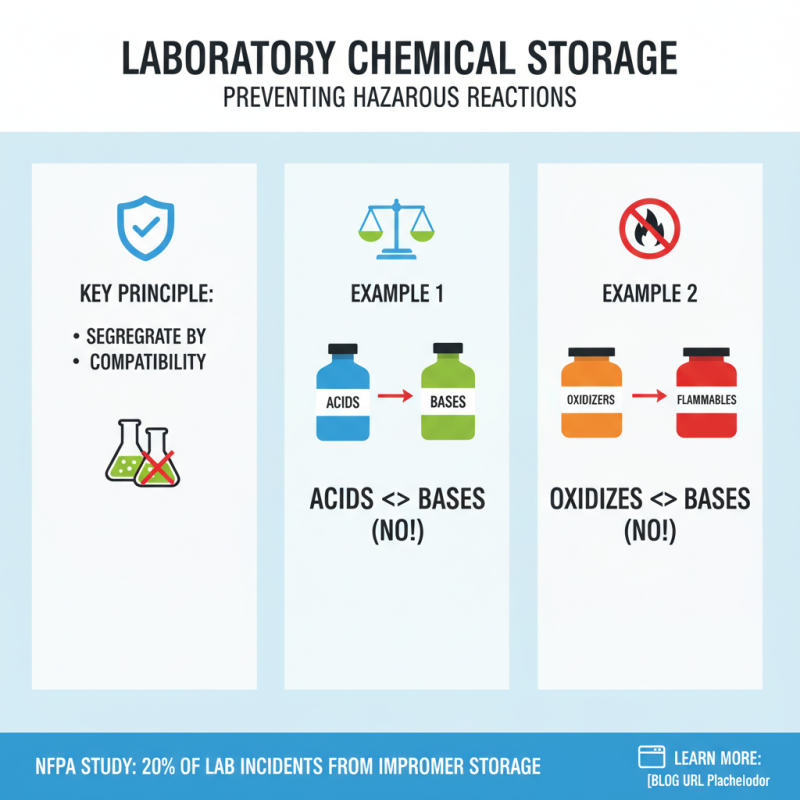
Proper storage techniques for chemicals in a laboratory setting are critical to prevent unwanted reactions that can lead to dangerous situations. A study by the National Fire Protection Association (NFPA) revealed that improper chemical storage accounts for approximately 20% of laboratory incidents. To mitigate the risk, chemicals should be categorized by their compatibility—acids should not be stored with bases, and oxidizers should be kept away from flammable materials. Segregating these chemicals can significantly reduce the likelihood of hazardous reactions.
Additionally, maintaining the integrity of storage containers is vital. According to the Occupational Safety and Health Administration (OSHA), more than 15% of workplace injuries in laboratories arise from spills or leaks, often due to degraded containers. Therefore, it is crucial to regularly inspect and replace any worn or damaged containers. Furthermore, utilizing proper labeling and signage can help in the quick identification of chemicals and their associated hazards, which is essential for ensuring that personnel can respond appropriately in case of an emergency. A systematic approach to chemical storage not only enhances safety but also supports regulatory compliance, ultimately fostering a more secure laboratory environment.
Emergency Procedures for Chemical Spills and Accidents in the Lab
When working with chemicals in the laboratory, having a clear plan for emergency procedures is crucial. In the event of a chemical spill or accident, remain calm and follow established protocols. Immediately alert your supervisor or lab manager about the incident. Familiarize yourself with the specific safety data sheets (SDS) for each chemical you are working with, as these documents provide vital information on handling spills, necessary personal protective equipment (PPE), and first aid measures.
In addition to knowing spill protocols, implementing essential safety tips can significantly reduce the risk of accidents. Always wear appropriate PPE, including gloves, goggles, and lab coats, to protect yourself from chemical exposure. Ensure that safety equipment, such as eyewash stations and showers, is easily accessible and functioning correctly. It’s also wise to label all chemicals clearly to avoid confusion and potential mishandling.
If a spill occurs, quickly assess the situation. For small spills, use absorbent materials to contain the chemicals while following recommended spill cleanup procedures. For larger spills or any incident that poses a danger, evacuate the area and seek assistance from trained personnel. Remember, preparedness and knowledge of emergency procedures can make a significant difference in ensuring safety in the laboratory environment.