


Careers

How to Find the Best PU Foam Sealant Supplier in China?

Finding the right PU foam sealant supplier in China requires more than comparing online prices. Product performance depends on formulation, can design, valve quality, and production control. A reliable supplier should explain these details clearly, not hide behind broad claims.

Start by defining your application. Are you sealing window frames, filling construction gaps, or insulating pipelines? Each use may require different expansion rates, curing speeds, density, and temperature resistance. Ask for technical data sheets, safety data sheets, and recent test reports. Samples also matter. Apply the foam to concrete, aluminum, or wood, then observe adhesion, cell structure, shrinkage, and curing time. Small tests often reveal problems early.

Factory experience deserves close attention. Review production equipment, quality inspection procedures, batch tracking, and export history. Request clear evidence of relevant certifications and verify whether they match the actual factory. A professional supplier should discuss packaging, nozzle design, private labeling, minimum order quantities, and shipment protection. Communication is another practical test. Do they answer technical questions accurately?

No supplier is perfect.

Even experienced buyers can overlook seasonal storage conditions or transport temperatures. I have found that a low quotation may become expensive after inconsistent foam output, damaged cans, or delayed documents. Therefore, this guide examines how to evaluate Chinese PU foam sealant manufacturers with a balanced, evidence-based approach. It focuses on product quality, technical capability, communication, compliance, and long-term reliability. The goal is not to find the loudest seller, but a supplier that performs consistently when the order reaches real job sites.
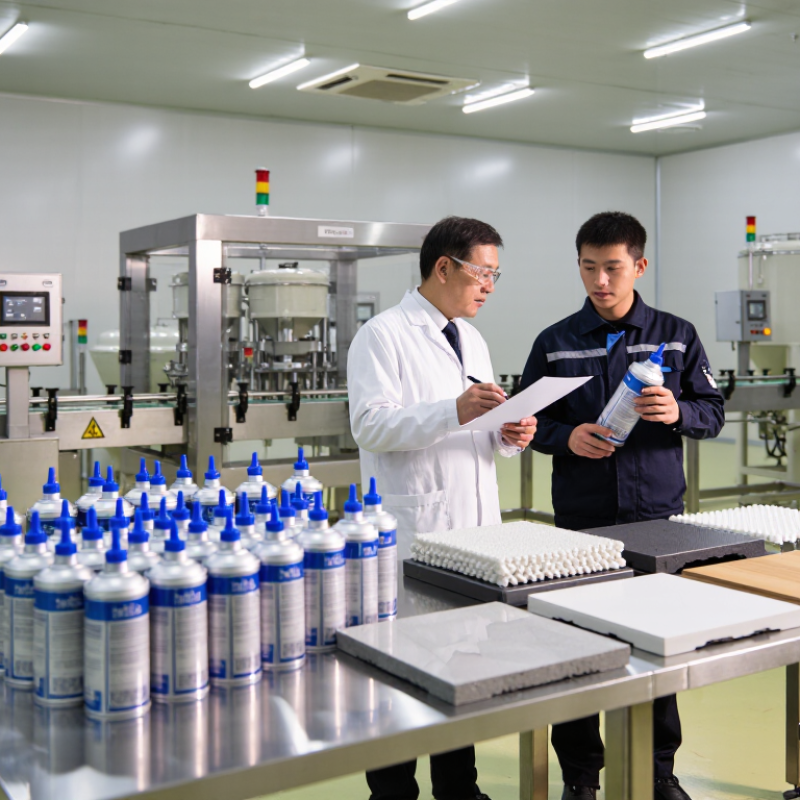
How to Find the Best PU Foam Sealant Supplier in China?

Define Your PU Foam Sealant Requirements and Buying Criteria

How to Find the Best PU Foam Sealant Supplier in China?

Define your PU foam sealant requirements before comparing suppliers. Measure twice. Identify the substrates, such as concrete, aluminum, wood, or PVC. Record the joint width, application temperature, and expected moisture exposure. A window installer may need low expansion and strong adhesion. A construction project may require higher yield and faster curing. Decide between gun-grade and straw-grade foam. These details affect product selection, packaging, and cost.

Set clear buying criteria for every supplier. Specify can size, net filling weight, density, tack-free time, cutting time, and post-expansion behavior. Ask for technical data sheets, safety data sheets, batch test records, and storage instructions. Small details matter. Confirm the nozzle design and valve compatibility, especially when workers use foam guns daily. Request samples from different production batches. Test them on real project materials, not only cardboard.

Supplier evaluation should include more than price. Review production experience, quality controls, laboratory equipment, export packaging, minimum order quantity, and lead time. Ask how the factory handles humidity changes and defective cans. An audit, video inspection, or independent test can reveal useful evidence. I once underestimated storage temperature, and the foam performance changed noticeably. That mistake still matters. Require written specifications and a clear replacement process before placing a large order. Test it. Reliable cooperation depends on repeatable results, honest communication, and records that can be checked later.

Research China’s PU Foam Sealant Supplier Market

How to Find the Best PU Foam Sealant Supplier in China?

Research China’s PU Foam Sealant Supplier Market

China’s PU foam sealant supplier market includes large factories, specialized producers, and trading companies. Their product pages may look similar, but their capabilities can differ greatly. Check whether the supplier manufactures foam or only resells it. A factory visit, video inspection, or production-line recording can reveal useful details. Look for clean filling areas, labeled raw materials, batch records, and controlled storage temperatures.

Ask for technical data sheets, safety documents, test results, and samples from recent production. Compare expansion rate, curing time, adhesion, density, and nozzle performance under realistic conditions. Test the foam on concrete, metal, wood, or window frames, depending on your application. Record results at different temperatures. Small changes can affect installation speed. Ask how the supplier handles formula adjustments, rejected batches, and quality complaints. Good answers should be specific.

Communication also matters. Can the sales team explain limitations clearly? Can engineers answer questions without vague promises? No supplier looks perfect on paper. That is worth remembering. I would also compare minimum order quantities, packaging options, lead times, and sample policies. A low price may hide weaker consistency or slower support. Request a written quotation with product grade, can size, valve type, shelf life, and inspection terms. Then review the details with an experienced technician before committing to a larger order.

How to Find the Best PU Foam Sealant Supplier in China? - Research China’s PU Foam Sealant Supplier Market

Evaluation Dimension Practical Market Benchmark Evidence to Request Recommended Target Weight
Product Range One-component expanding foam, gun-grade foam, straw-grade foam, fire-rated foam, low-expansion foam, and winter-grade foam are common categories. Current technical catalogue, product data sheets, application instructions, and sample list. At least three suitable formulations for the intended application. 10%
Can Output A 500–750 ml aerosol can is widely used for construction foam; actual foam yield varies by formulation, temperature, humidity, and test method. Test report specifying can size, test conditions, free-rise yield, and cured-density method. Compare suppliers only when the can size and test method are identical. 10%
Curing Performance Surface curing commonly occurs within approximately 10–20 minutes, while cutting time is often around 1–3 hours depending on bead size and conditions. Technical data sheet showing tack-free time, cutting time, and full-cure conditions. Performance data tested at defined temperature and relative humidity. 10%
Temperature Suitability Many standard formulations are designed for application temperatures near 5–35°C; winter formulations may support application below 0°C. Application-temperature range, storage-temperature range, and winter-grade test results. Select a formulation that matches the destination climate and shipping conditions. 10%
Adhesion and Dimensional Stability Suitable foam should adhere to common construction substrates such as concrete, brick, wood, and many metals, with controlled post-cure expansion. Substrate adhesion test, post-expansion data, shrinkage data, and application photographs. No visible shrinkage or excessive expansion in an agreed customer-side trial. 10%
Fire and Building Compliance Fire-rated products require testing under the specific construction-system standard and cannot be evaluated by label claims alone. Complete test reports, classification documents, scope of application, and report validity. Use independently verifiable reports that match the supplied formulation and intended use. 15%
Quality Management A documented quality system should control incoming chemicals, can and valve inspection, filling weight, leakage, curing performance, and batch release. Quality certificate, inspection plan, batch records, calibration records, and nonconformity procedure. Traceable batch control with retained samples and documented corrective actions. 10%
Packaging and Dangerous-Goods Handling Aerosol PU foam contains pressurized contents and is commonly shipped as regulated dangerous goods; packaging and transport rules depend on composition and destination. Safety data sheet, transport classification, UN packaging information, carton specifications, and leakage test results. Supplier provides compliant export documentation before order confirmation. 10%
Minimum Order Quantity and Lead Time Stock products generally have shorter lead times; customized labels, colors, valves, and cartons usually require higher minimum quantities and longer preparation. Formal quotation showing minimum order, sample lead time, production lead time, packaging setup time, and validity period. Obtain a written production schedule and buffer time for dangerous-goods booking. 5%
Commercial Reliability The lowest unit price may not represent the lowest total cost after testing, damaged cartons, customs handling, rework, and delayed delivery are included. Audited company profile, export references without confidential customer data, payment terms, inspection policy, and complaint response procedure. Choose the supplier with the strongest verified total-cost and risk profile. 10%
Total Supplier Evaluation Weight 100%
Research note: The performance figures are indicative benchmarks for initial supplier screening. Final comparisons should use identical can sizes, test methods, storage conditions, application temperatures, and independently verified documentation.

Evaluate Product Quality, Certifications, and Technical Support

How to Find the Best PU Foam Sealant Supplier in China?

A reliable supplier should prove product quality, not simply describe it. Request recent batch reports for density, expansion rate, curing time, adhesion, and dimensional stability. In practical use, foam should fill a window gap evenly without excessive shrinkage. Ask for samples, then test them on concrete, aluminum, and masonry under realistic temperatures. Small tests reveal problems quickly.

Certifications also require careful checking. Ask whether documents cover the exact product and production site, not only the company. Review test dates, issuing laboratories, and applicable safety requirements. A supplier with ISO-based quality management may offer better process control, but certification alone cannot guarantee consistent foam. I have seen technically impressive samples fail after storage. That possibility deserves attention.

Tips: Evaluate technical support before placing a large order. Can an engineer explain nozzle selection, surface preparation, storage temperature, and curing limits? Useful support includes clear technical data sheets, application instructions, troubleshooting, and responsive answers after delivery. Ask for batch traceability and a replacement procedure for quality concerns. Keep written records of every discussion. It feels slow, but it protects your project. Also, do not accept vague promises about customization; request measurable specifications and a small trial order.

How to Find the Best PU Foam Sealant Supplier in China?

Evaluation priorities for product quality, certifications, and technical support

This practical evaluation model assigns the highest priority to product quality, followed by certifications, technical support, delivery reliability, and customization capability. Buyers should verify test reports, batch consistency, applicable standards, application guidance, and after-sales response before selecting a PU foam sealant supplier.

Product Quality: density, yield, curing performance, adhesion, and dimensional stability.
Certifications: ISO 9001, REACH, RoHS, and relevant construction-product test standards.
Technical Support: application guidance, storage advice, troubleshooting, and response time.
Delivery Reliability: production capacity, lead-time consistency, packaging, and export documentation.
Customization: formula, color, nozzle, can size, private labeling, and minimum order flexibility.

Verify Factory Capability, Customization, and Quality Control

How to Find the Best PU Foam Sealant Supplier in China?

A dependable supplier should prove factory capability, not just display a polished showroom. Ask for production records, equipment details, and recent batch samples. Check whether the factory controls mixing, filling, curing, and canister storage internally. Walk through the production area if possible. Clean floors, labeled materials, and controlled storage show discipline. However, appearances can mislead. Request evidence.

Customization should match your application, climate, and installation method. Discuss foam density, expansion rate, curing time, adhesion, nozzle design, and packaging size. A professional supplier should explain trade-offs clearly. For example, higher expansion may reduce material use but increase trimming and pressure risks. Request trial samples under real temperatures and surfaces. A small test may reveal problems that a datasheet misses.

Quality control must cover raw materials and finished cans. Ask about viscosity checks, foam yield, curing performance, adhesion tests, and dimensional stability. Each batch should have traceable records and defined release criteria. Independent laboratory testing can support technical claims. Review the technical data sheet and safety data sheet carefully. I would not accept vague answers about shelf life or leakage rates. Even experienced buyers sometimes focus too heavily on price. That mistake can create uneven foam cells, blocked valves, or costly site repairs. Ask how complaints are investigated and how corrective actions are documented. A reliable supplier welcomes difficult questions.

Compare Quotations, Logistics, Contracts, and Supplier Reliability

How to Find the Best PU Foam Sealant Supplier in China?

A low quotation does not always mean lower purchasing cost. Compare the complete offer, including foam yield, curing time, packaging, testing, and minimum order quantity. Ask suppliers to quote identical specifications. Otherwise, the comparison becomes unreliable.

A 2024 industry analysis by Grand View Research expects the global construction sealants market to keep expanding through 2030. This growth increases supplier choices, but also increases quality differences.

Request batch test reports, safety data sheets, and samples from current production.

Logistics can change the final price quickly. The World Bank’s 2023 Logistics Performance Index gave China a score of 3.7 out of 5. That suggests strong infrastructure, but port performance still varies by location and season.

Compare shipping terms, port options, insurance, lead time, and carton protection. Your contract should define foam weight, can pressure, leakage limits, inspection rights, payment milestones, and remedies for delays.

Avoid vague phrases such as “standard quality.” A small wording gap can become an expensive dispute.

Tips: Build a simple supplier scorecard. Give separate points for price, test results, response time, logistics, and contract clarity.

Check whether the factory accepts video audits and independent inspections. Contact two recent buyers, if possible. This step feels slow, but it often exposes weak after-sales support.

I would not rely on certificates alone. They prove documented systems, not every shipment’s actual consistency.

UNCTAD’s Review of Maritime Transport has repeatedly highlighted freight volatility, so keep a realistic buffer for seasonal delays.