How to Source Ultra Pure Chemicals for Your Business Needs?
Sourcing ultra pure chemicals is vital for many businesses. The quality of these chemicals often determines product success. Industries such as pharmaceuticals, electronics, and food rely heavily on these substances.
When searching for ultra pure chemicals, consider several factors. First, identify reliable suppliers with proven experience. Their track record can be a strong indicator of the quality they provide. Not all suppliers meet the rigorous standards required for ultra pure chemicals. Engaging with experts can enhance your understanding of industry standards and supplier reliability.
Another critical aspect is transparency in sourcing practices. Suppliers should be open about their production and testing methods. This accountability builds trust and assures you of the chemicals' purity. However, finding a balance between cost and quality can be challenging. It’s essential to reflect on whether a lower price compromises the chemical's integrity. Prioritizing quality in your sourcing strategy can lead to long-term benefits.
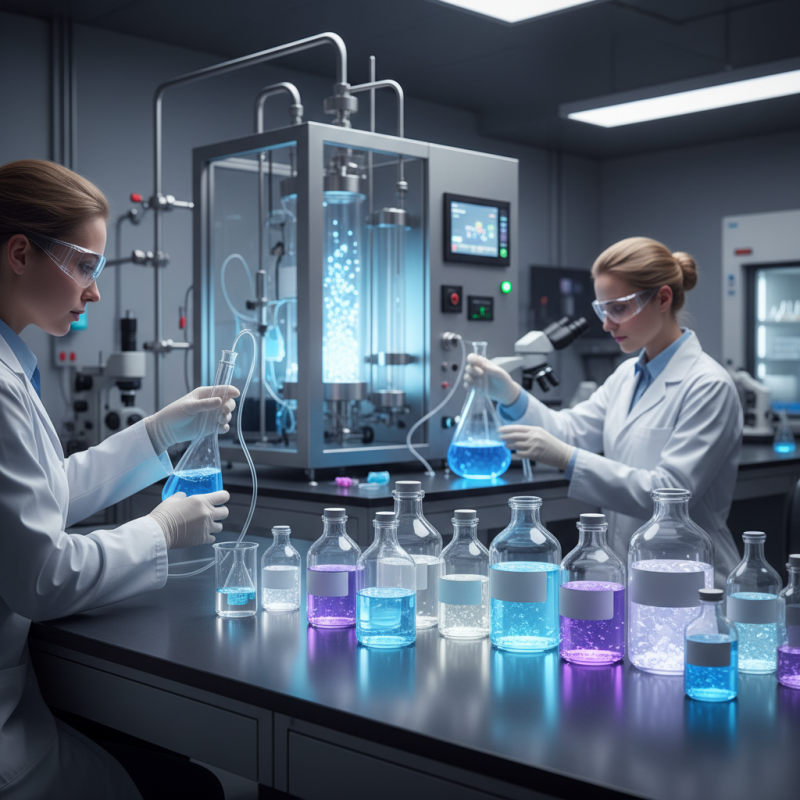
Understanding Ultra Pure Chemicals: Definitions and Importance
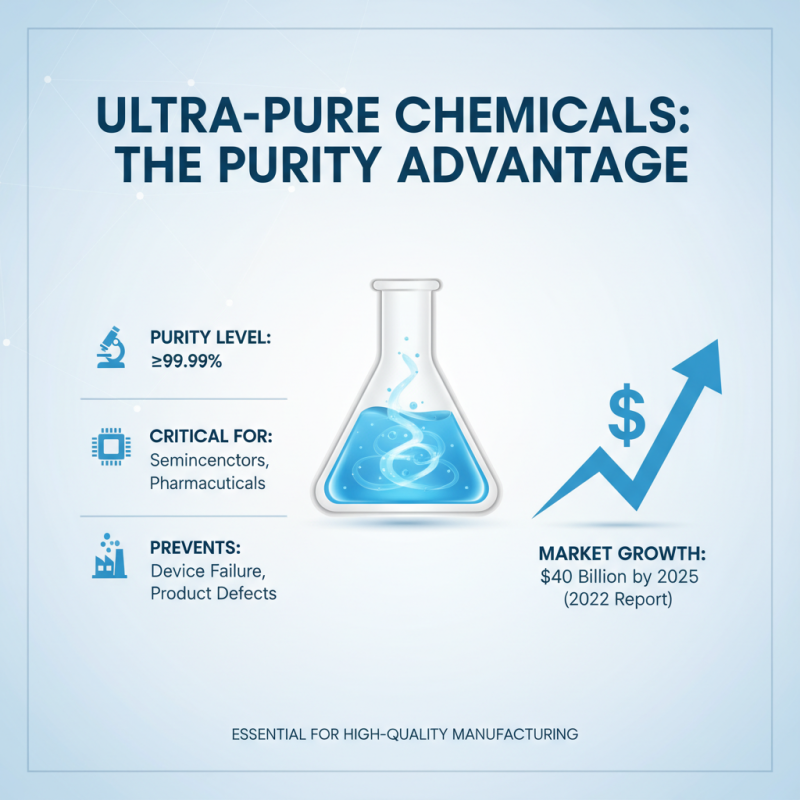
Ultra-pure chemicals are crucial across various industries, particularly in pharmaceuticals and semiconductors. These substances have a purity level of 99.99% or higher. Such high purity is essential because even trace contaminants can significantly affect product quality. For instance, in semiconductor manufacturing, a single impurity can lead to device failure. According to a 2022 industry report, the ultra-pure chemical market is expected to reach $40 billion by 2025, driven by these critical applications.
The importance of ultra-pure chemicals cannot be understated. They are fundamental in processes requiring precise reactions. In pharmaceutical manufacturing, for instance, they are vital for developing life-saving drugs. Even minor contaminants can alter chemical reactions, leading to health risks. Studies indicate that impurities can affect efficacy by up to 30%. This makes sourcing ultra-pure chemicals a meticulous and vital task for manufacturers.
However, sourcing these chemicals poses its challenges. Not all suppliers maintain the necessary standards. Quality assurance and testing procedures play a pivotal role. It’s crucial for businesses to establish rigorous vendor assessments. Although the market is expanding, ensuring reliability and purity remains a significant hurdle. Many companies still struggle to find trustworthy suppliers. This alarming gap emphasizes the need for vigilance and due diligence in the procurement process.
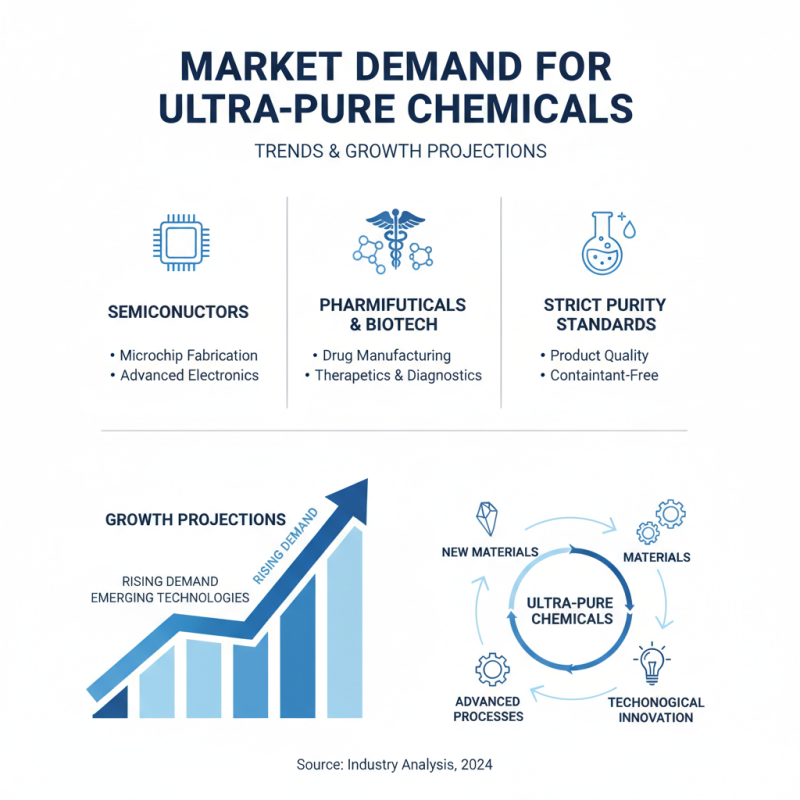
Market Demand for Ultra Pure Chemicals: Trends and Growth Projections
The demand for ultra-pure chemicals has been rising across various industries. Semiconductor manufacturing, pharmaceuticals, and biotechnology sectors rely heavily on these materials. They require substances that meet strict purity standards to ensure the quality of their products. Emerging technologies in these fields continue to drive this demand.
Market trends indicate a significant growth trajectory for ultra-pure chemicals. Players in the semiconductor industry expect a surge in applications, particularly with the rise of smart devices and electric vehicles. As manufacturers focus on product excellence, the need for reliable suppliers continues. However, sourcing these chemicals presents challenges, including ensuring compliance with regulations, maintaining consistent quality, and managing supply chains effectively.
Businesses must stay informed about market dynamics. They need to develop relationships with reputable suppliers who can provide high-quality ultra-pure chemicals. Ongoing evaluations of supplier capabilities are essential. Companies must find a balance between cost and quality to remain competitive. This landscape requires constant vigilance and flexibility in sourcing strategies.
Key Suppliers of Ultra Pure Chemicals: Industry Leaders and Market Share
In the realm of ultra pure chemicals, identifying key suppliers is crucial. The industry is characterized by a dynamic landscape with several leaders holding significant market shares. According to recent market analysis, the demand for ultra pure chemicals is projected to grow by approximately 7.5% annually over the next five years. This growth is driven by advancements in sectors like electronics and pharmaceuticals, where purity is paramount.
Leading suppliers often present an intricate mix of innovative technologies and stringent quality controls. A report from a reputable market research firm highlights that the top five players command nearly 60% of the market share. However, these companies face challenges related to transparency in their sourcing processes. Many businesses struggle to balance cost-effectiveness with quality, leading to potential gaps in supply chain integrity.
It's essential to recognize the impact of regional players too. They can sometimes offer tailored solutions that larger companies overlook. Smaller firms may provide greater flexibility but often lack the rigorous standards established by industry leaders. This discrepancy in quality can lead to supply chain risks, which businesses must navigate carefully. Maintaining purity while managing costs remains an ongoing challenge in this evolving sector.
Quality Standards and Certifications for Ultra Pure Chemicals: What to Look For
When sourcing ultra-pure chemicals, quality standards and certifications are crucial. According to a report by the International Society for Pharmaceutical Engineering, over 70% of quality-related issues in the industry stem from inadequate supplier assessments. Therefore, understanding relevant certifications is essential.
Seek suppliers who adhere to ISO 9001 and ISO 17025 standards. ISO 9001 ensures effective quality management, while ISO 17025 focuses on laboratory competence. These certifications indicate that suppliers maintain rigorous quality controls. However, not all suppliers may have these certifications, which can raise questions about their reliability. Always look for evidence of compliance during the sourcing process.
Additionally, verifying the purity levels of chemicals is vital. Impurities can lead to significant product inconsistencies, impacting research and manufacturing. The American Chemical Society emphasizes that even trace contaminants can compromise results in sensitive applications like pharmaceuticals. Consider requesting certificates of analysis (COAs) from suppliers to confirm purity levels. If COAs are lacking or unclear, it may be a red flag. It is important to choose suppliers who prioritize transparency and quality assurance.
Quality Standards and Certifications for Ultra Pure Chemicals
This chart represents the number of companies certified under various quality standards for ultra pure chemicals. Certifications such as ISO 9001, ISO 14001, ISO 17025, USP, and EP are essential benchmarks that reflect the quality and reliability of chemical sourcing for business needs.
Cost Factors in Sourcing Ultra Pure Chemicals: Pricing Structures and Bargaining Tips
Sourcing ultra pure chemicals can be a complex process. Various factors influence the pricing structures, and it's essential to understand them before making a purchase. High purity standards often mean higher costs due to stringent production methods. The sourcing location, supplier reliability, and shipping logistics also play significant roles.
When negotiating prices, conducting thorough research on market rates is crucial. Establish relationships with multiple suppliers. This can create competitive pricing environments. Always be prepared to ask for samples, as this can validate the purity claims.
Tips: Be clear about your specifications. Understand your requirements and communicate them effectively. Consider bulk buying, as this can lead to discounts. Last but not least, assess the total cost of ownership, including shipping and handling. This way, you can ensure that even with a higher initial cost, the value remains high.
How to Source Ultra Pure Chemicals for Your Business Needs?
| Chemical Name |
Purity Level (%) |
Average Cost per kg ($) |
Supplier Lead Time (days) |
Bargaining Tips |
| Acetic Acid |
99.9 |
30 |
7 |
Bulk orders and long-term contracts often yield discounts. |
| Sodium Chloride |
99.99 |
25 |
10 |
Request samples before larger orders to validate purity. |
| Ethanol |
99.5 |
40 |
5 |
Inquire about loyalty discounts for repeat purchases. |
| Hydrochloric Acid |
37.0 |
20 |
15 |
Negotiate price based on market rates and competitor quotes. |
| Nitric Acid |
70.0 |
55 |
12 |
Consider seasonal pricing and demand patterns. |