What is HPMC and Why is it Important in 2026?
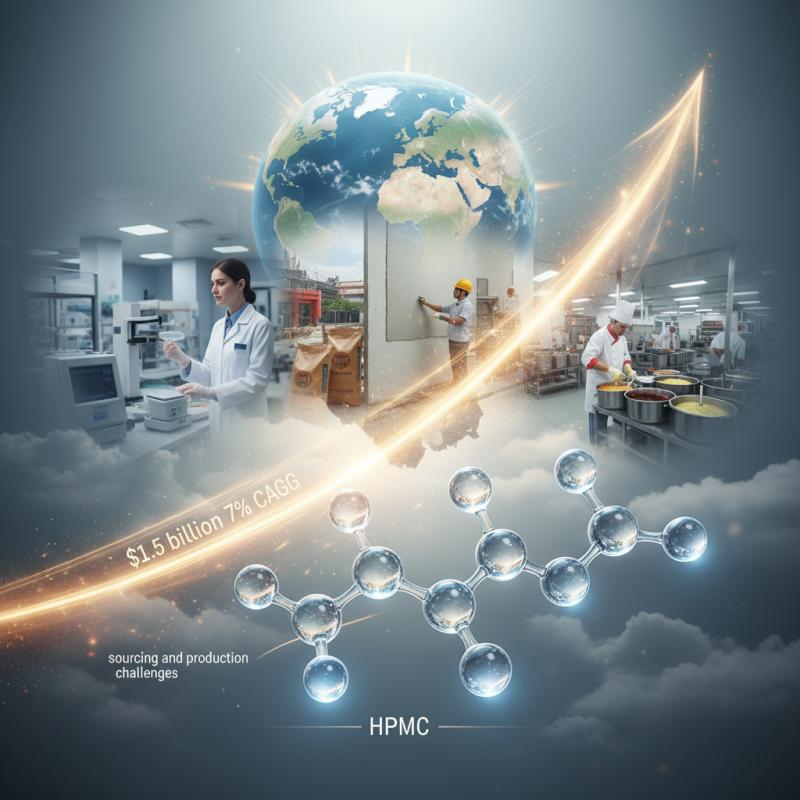
HPMC, or Hydroxypropyl Methylcellulose, is gaining importance in various industries. By 2026, its market is projected to reach approximately $1.5 billion, growing at a CAGR of 7%. This growth reflects the increased demand for HPMC in pharmaceuticals, construction, and food sectors. For instance, in pharmaceuticals, HPMC is a vital excipient for controlled-release formulations and tablet binding.
The versatility of HPMC makes it essential in diverse applications. In the construction industry, it acts as a thickener and water-retaining agent in mortars and plasters. In food technology, it serves as a stabilizer and emulsifier. Despite its benefits, there are concerns about sourcing and production processes. Manufacturers face challenges in maintaining quality and consistency.
The importance of HPMC cannot be overstated, as it supports product performance and innovation in key industries. As we approach 2026, its role will likely expand, reflecting market trends and consumer preferences. Addressing these challenges will be crucial for companies to tap into HPMC’s full potential and ensure sustainable growth.
What is HPMC and Its Chemical Composition
Hydroxypropyl Methylcellulose (HPMC) is a versatile polymer. Its unique chemical structure includes both hydroxypropyl and methoxy groups. This makes it soluble in water and easy to modify. Manufacturers derive HPMC from cellulose, a natural polymer found in plant cell walls. The process involves treating cellulose with alkali and etherifying agents, leading to various HPMC grades based on viscosity and solubility.
In 2026, HPMC will play a crucial role in numerous industries. Its importance arises from its thickening, gelling, and stabilizing properties. In construction, HPMC enhances the performance of mortars and other adhesives. It allows for better adhesion and improved workability. In the pharmaceutical sector, it serves as a binder in tablets and as a controlled-release agent. The flexibility in its chemical composition allows for modifications based on specific needs. However, the industry faces challenges, like ensuring consistent quality and performance across different applications.
Overall, understanding HPMC's composition is critical. It highlights the balance between functionality and adaptability. As technologies evolve, HPMC will likely continue to adapt. The quest for perfect formulations remains a work in progress. Embracing this journey will be vital for future innovations.
The Role of HPMC in Various Industries
Hydroxypropyl methylcellulose (HPMC) plays a crucial role in various industries, especially in construction and pharmaceuticals. In 2026, its importance will only grow. The global HPMC market is projected to reach over $1.5 billion. Its unique properties make it a vital component in numerous applications.
In construction, HPMC acts as a water-retaining agent and a binder for cement. It enhances workability and improves the strength of mortar. Reports indicate that incorporating HPMC can increase adhesion by up to 15%. This is significant in ensuring durable and reliable structures. In pharmaceuticals, HPMC is widely used as a controlled-release agent in drug formulations. It helps to regulate the release of medicinal compounds, enhancing the efficacy of the drugs.
However, challenges lie ahead. Manufacturers need to address the sustainability concerns related to HPMC production. Environmental impact assessments are essential. Companies are urged to innovate while being mindful of their ecological footprint. The balance between quality and environmental sustainability requires ongoing reflection and adjustment. As demands rise, the industry must adapt and evolve.
What is HPMC and Why is it Important in 2026? - The Role of HPMC in Various Industries
| Industry | Application | Importance | Future Trends (2026) |
| Pharmaceuticals | Binder and thickener in tablets | Enhances stability & bioavailability | Increased demand for controlled-release formulations |
| Construction | Additive in cement and mortar | Improves workability and adhesion | Growth in eco-friendly construction materials |
| Food Industry | Thickening agent and emulsifier | Enhances texture and consistency | Rising interest in clean label products |
| Cosmetics | Stabilizer and film former | Improves product stability and application | Focus on natural and safe ingredients |
Key Properties and Benefits of HPMC
Hydroxypropyl methylcellulose (HPMC) plays a crucial role across various industries in 2026. This versatile polymer offers several key properties. Its high viscosity and adhesive qualities enhance formulations in construction, pharmaceuticals, and food products. According to a recent industry report, HPMC usage in construction materials has surged by 25% since the past year.
One of the standout benefits of HPMC is its ability to retain water. This characteristic is vital for improving workability in cement-based products. Additionally, HPMC is non-toxic and biodegradable, making it a preferred choice in sustainable formulations. The report highlights that 40% of manufacturers now seek environmentally friendly alternatives, further pushing HPMC's demand.
However, HPMC is not without its challenges. The high cost of raw materials can impact pricing strategies. Also, its performance can vary based on the grade and composition used. Each application presents unique hurdles that need thorough evaluation. As industries evolve, so must the formulations that utilize HPMC. Balancing cost, performance, and sustainability remains a critical task for developers.
Future Trends and Innovations in HPMC Applications
Hydroxypropyl Methylcellulose (HPMC) continues to evolve. Its versatility opens new doors in multiple industries. In 2026, HPMC will revolutionize construction materials, personal care, and pharmaceuticals. The focus is on sustainable solutions.
Innovations in HPMC applications are emerging. One notable trend is the use of HPMC in 3D printing. It enhances material flow and improves layer adhesion. This leads to better quality prints. Additionally, HPMC's role in eco-friendly products is growing. Manufacturers are exploring its use in biodegradable packaging. This shift isn't just desirable; it’s necessary.
Tip: Always assess the sustainability of the materials you use. Sometimes, choices are less than ideal. There is always room for improvement.
Moreover, the food industry is also adapting. HPMC serves as a thickening agent, improving texture and stability in various products. However, the challenge lies in understanding consumer preferences. It’s crucial to balance innovation with market demands.
Tip: Keep an eye on emerging trends. Being proactive can lead to better outcomes. Remember, it’s okay to reflect on what could be improved. Experimentation often leads to unexpected successes.
Environmental Impact and Sustainability of HPMC Usage
The use of HPMC, or Hydroxypropyl Methylcellulose, is rising due to its versatile applications. In 2026, the focus on sustainability is critical. HPMC is biodegradable, reducing environmental pollution. Its production process also has lower carbon emissions compared to other materials. However, not all processes are perfect. Some manufacturing methods may still impact local ecosystems.
Many industries are turning to HPMC as a safer alternative. It is commonly used in pharmaceuticals, food, and construction. In the food industry, it's used as a thickener and stabilizer. This enhances food texture without compromising health. In construction, it improves adhesion and workability of mortars. Yet, this widespread use raises questions about sourcing.
Sustainability doesn't end with choosing materials. Proper waste management and recycling of HPMC products are essential. Many facilities are exploring closed-loop systems to minimize waste. Despite progress, challenges remain in global standards for HPMC production. The environmental impact varies widely based on location and practices. Reflecting on HPMC’s role in sustainable development is important as we navigate these complexities.