What Is Industrial Chemistry and Its Applications in Business?
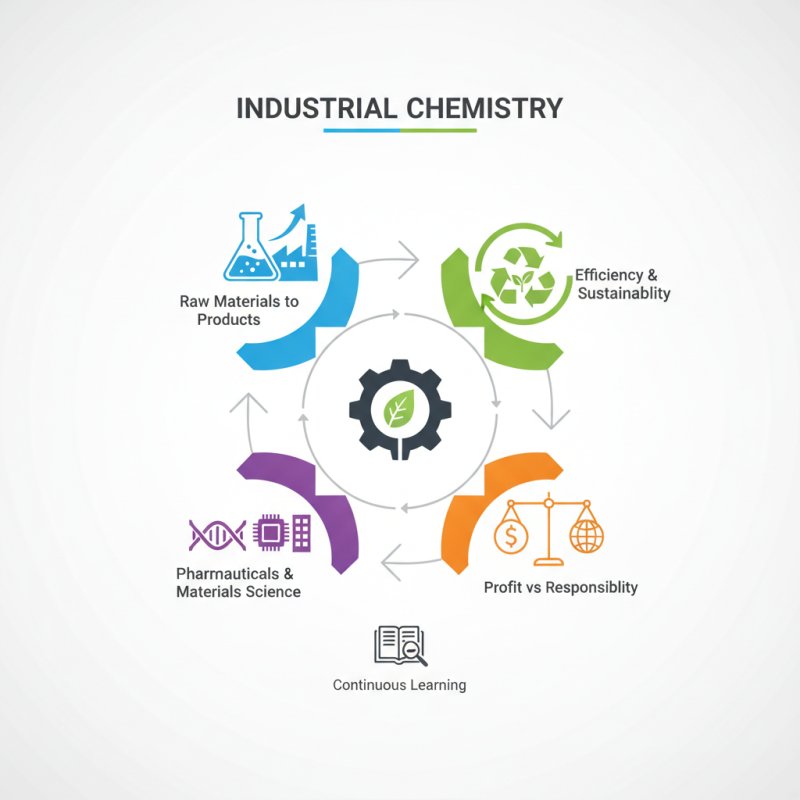
Industrial chemistry plays a pivotal role in modern business landscapes. This field focuses on converting raw materials into valuable products through chemical processes. As industries strive for efficiency and sustainability, the demand for innovative chemical solutions continues to rise. Experts emphasize that understanding these processes is critical. Dr. Emily Harrison, a leading authority in the field, states, “To explore more about industrial chemistry is to uncover the future of manufacturing.”
Industrial chemistry has various applications across multiple sectors, from pharmaceuticals to materials science. Businesses leverage this knowledge to improve processes and reduce waste. For instance, the development of biodegradable plastics has reshaped packaging industries. However, companies must also consider the environmental impact of their chemical practices. Balancing efficiency with sustainability poses a challenge for many.
Exploring more about industrial chemistry reveals both opportunities and ethical considerations. Companies must reconcile profit motives with societal responsibilities. As the industry evolves, continuous learning and adaptation are essential. While advancements promise better products, they also highlight the need for responsible innovation. Understanding this complex landscape is crucial for any business aiming to thrive in the modern market.
What Is Industrial Chemistry? A Comprehensive Overview
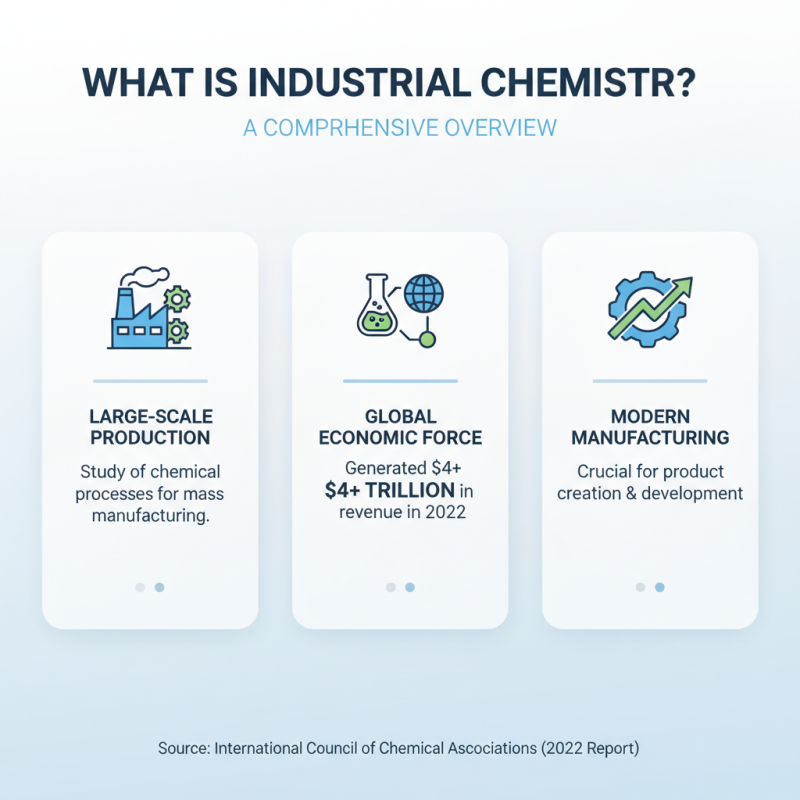
Industrial chemistry plays a crucial role in modern manufacturing processes. It involves the study of chemical processes in large-scale production. According to a report by the International Council of Chemical Associations, the global chemical industry generated over $4 trillion in revenue in 2022. This highlights its significance in economic development.
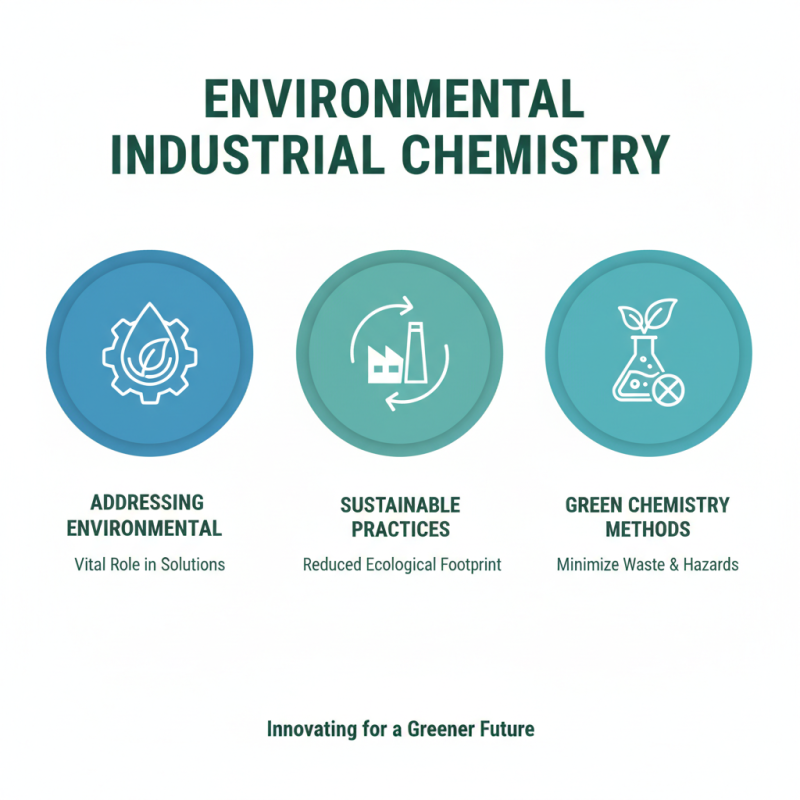
This field encompasses various applications, such as the production of plastics, pharmaceuticals, and agrochemicals. For instance, the production of synthetic polymers accounts for about 50% of the total chemical production. However, the industry faces challenges, including environmental impacts and the need for sustainable practices. Many chemicals produced are derived from fossil fuels, leading to discussions about greener alternatives.
Moreover, a 2023 study indicated that only 15% of chemical companies have implemented significant sustainability initiatives. This poses a challenge for industry leaders. Finding innovative solutions is necessary to meet future demands. The potential for growth in renewable resources, such as bio-based chemicals, offers hope. Yet, transitioning requires investment and commitment, which may not be readily available for all businesses.
Key Processes in Industrial Chemistry and Their Economic Impact
Industrial chemistry plays a vital role in various sectors, influencing economic outcomes significantly. One key process is chemical synthesis. This involves transforming raw materials into more valuable products. For instance, the production of fertilizers enhances agricultural output. This, in turn, boosts food supply and affects pricing stability.
Another important area is material science. The development of polymers and composites has revolutionized industries. Lightweight materials improve fuel efficiency in transport. This translates to lower operational costs and reduced environmental impact. However, the reliance on synthetic materials raises questions about sustainability. Balancing innovation and environmental responsibility is a challenge.
Process optimization is also crucial. Efficient operations reduce waste and costs. Implementing advanced manufacturing technologies can enhance product quality. However, initial investment may deter smaller businesses. They often struggle to adopt these technologies, creating a divide in market capabilities. Addressing this gap requires collaboration between larger firms and emerging companies.
What Is Industrial Chemistry and Its Applications in Business? - Key Processes in Industrial Chemistry and Their Economic Impact
| Process |
Description |
Applications |
Economic Impact (USD Billion) |
| Catalysis |
A process that increases the rate of a chemical reaction by the use of a catalyst. |
Petrochemical production, chemical synthesis. |
150 |
| Polymerization |
The process of reacting monomer molecules together in a chemical reaction to form polymer chains. |
Manufacturing plastics, elastomers, and resins. |
200 |
| Fermentation |
A metabolic process converting sugar to acids, gases, or alcohol using microorganisms under anaerobic conditions. |
Production of biofuels, pharmaceuticals, and food ingredients. |
50 |
| Electrochemistry |
The study of chemical processes that cause electrons to move, which can produce electricity. |
Batteries, electrolysis, and corrosion prevention. |
75 |
| Chemical Synthesis |
A procedure that combines two or more components to create a complex chemical compound. |
Pharmaceuticals, agrochemicals, and specialty chemicals. |
100 |
Major Industries Utilizing Industrial Chemistry: A Sector Analysis
Industrial chemistry plays a crucial role in various sectors, driving innovation and efficiency. The pharmaceutical industry relies heavily on industrial chemistry for drug formulation and production. Advanced chemical processes help create more effective medications that improve patient outcomes. These processes must comply with strict regulations, ensuring safety and reliability in every batch.
The agricultural sector also benefits from industrial chemistry. Fertilizers and pesticides are developed through complex chemical methods to enhance crop yield and protect plants. However, this reliance raises concerns about environmental impact. Balancing productivity with sustainability remains a challenge that demands continuous improvement and innovation.
Food and beverage industries utilize industrial chemistry in preservation and flavor enhancement. Emulsifiers and stabilizers improve texture and shelf life. While these additives are essential for consumer satisfaction, they prompt discussions about health implications. This ongoing dialogue highlights the need for transparency and responsible use in product development.
Industrial Chemistry Applications in Major Industries
Current Trends and Innovations in Industrial Chemistry Applications
Industrial chemistry is experiencing significant transformations driven by innovation and sustainability. Recent reports indicate that the market for industrial chemicals is projected to reach over $1.3 trillion by 2025, reflecting a compound annual growth rate (CAGR) of 3.5%. This growth is fueled by the demand for eco-friendly processes and materials.
One notable trend is the rise of green chemistry, which emphasizes reducing hazardous substances. According to the American Chemical Society, green chemistry practices can lower waste by as much as 90%. Companies are increasingly adopting bio-based feedstocks, which not only minimize carbon footprints but also offer cost-effective alternatives to traditional petrochemicals.
Moreover, digitization in industrial chemistry is changing operational dynamics. The integration of AI and automation is streamlining processes, enhancing efficiency, and improving safety. A McKinsey report states that AI could create value of up to $5 trillion annually in the chemical sector. However, these advancements also pose challenges. Companies must navigate data privacy concerns and ensure that workforce skills keep pace with technological changes. These issues reflect the dual-edged nature of innovation in the field.