What is Industrial Chemistry and Why Is It Important in Today's World?
Industrial chemistry plays a crucial role in modern society. It is the backbone of several industries, driving innovation and sustainability. As Dr. Emily Chen, an expert in industrial chemistry, aptly states, “Understanding industrial chemistry means unlocking new solutions for everyday challenges.”
In today’s world, industrial chemistry contributes to developing materials that shape our lives. Everyday products such as plastics, cleaners, and medicines all have roots in this field. By improving processes, we can reduce waste and enhance efficiency. However, we must also reflect on the environmental impact.
There is a pressing need to educate ourselves more about industrial chemistry. The balance between progress and sustainability is delicate. Continued study and engagement are vital. A commitment to this area can lead to significant advancements and responsible stewardship of resources.
Definition of Industrial Chemistry and Its Scope
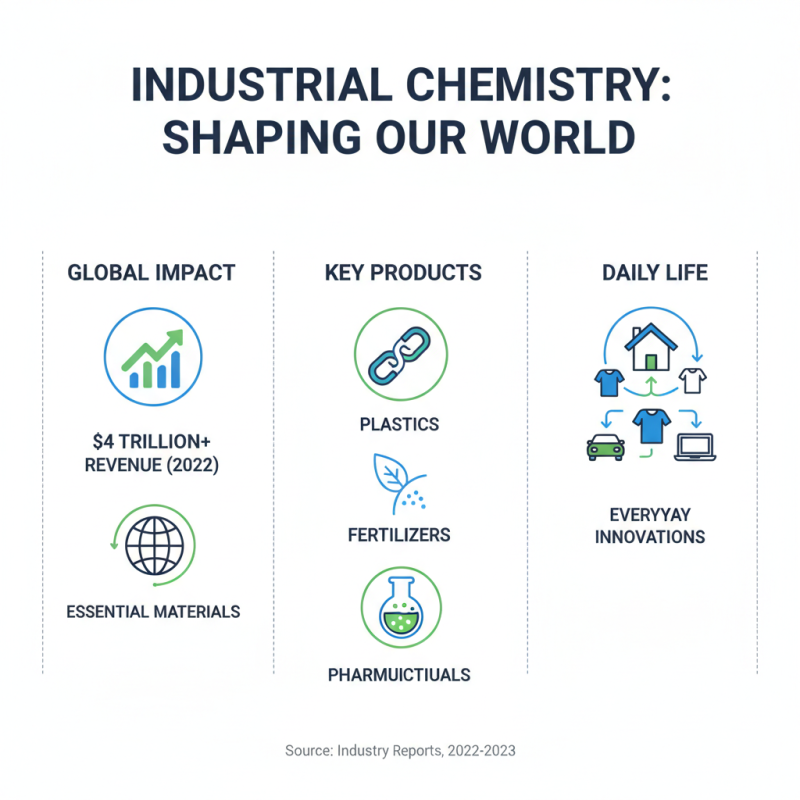
Industrial chemistry is a branch of chemistry that applies chemical principles to manufacturing processes. It plays a vital role in producing various chemicals, materials, and energy resources. The scope of industrial chemistry is broad, encompassing everything from petrochemicals to agrochemicals. According to a report by the Global Chemical Industry, the global chemical production was valued at over $4 trillion in 2022.
In industrial chemistry, the focus is often on optimizing production methods and minimizing environmental impact. Innovative processes can reduce waste, yet challenges remain. For example, not all companies adopt green practices, which can lead to pollution. The International Council of Chemical Associations reported that approximately 30% of chemical manufacturing facilities do not meet environmental standards.
The demand for sustainable solutions is growing. The market for green chemicals is projected to reach $1 trillion by 2026. However, many traditional practices persist, raising questions about sustainability. Advancements in technology are essential, but the transition can be slow. Industrial chemists must navigate these complexities while striving for efficiency and sustainability. It’s a balancing act that requires continuous reflection and improvement.
Key Processes and Techniques in Industrial Chemistry
Industrial chemistry plays a crucial role in manufacturing processes. It involves converting raw materials into valuable products. Key techniques in this field include catalysis, polymerization, and chemical synthesis. These methods are fundamental for creating everyday materials, from plastics to pharmaceuticals.
Catalysis speeds up reactions, reducing energy costs. This process is vital for producing chemicals efficiently. Polymerization creates long chains of molecules, leading to advanced materials like textiles and packaging. Chemical synthesis allows for the creation of complex compounds, enabling innovation in various industries. However, efficiency often comes at an environmental cost.
Reflection on these methods reveals their challenges. Balancing efficiency with sustainability is difficult. Many processes generate waste, and chemical reactions can harm the environment. Continuous research and development are needed to address these issues. Innovations must focus on greener alternatives while maintaining effective production.
Applications of Industrial Chemistry in Various Industries
Industrial chemistry plays a crucial role in various industries, shaping our daily lives. For instance, the global chemical industry generated over $4 trillion in revenue in 2022, according to recent reports. This sector supports the production of essential materials. These materials include plastics, fertilizers, and pharmaceuticals.
In agriculture, industrial chemistry is vital. Chemical fertilizers boost crop yields significantly. The Food and Agriculture Organization (FAO) indicates that fertilizer use has doubled food production over the past 50 years. However, the environmental impact is a concern. Excessive use can lead to soil degradation and water pollution, which presents challenges.
In the pharmaceuticals sector, industrial chemistry enables the development of life-saving drugs. More than 80% of medications originate from chemical processes. Yet, innovation faces hurdles. The lengthy approval processes can delay access to vital treatments. Industries must constantly balance efficiency and safety in their operations.
Environmental Impact and Sustainability in Industrial Chemistry
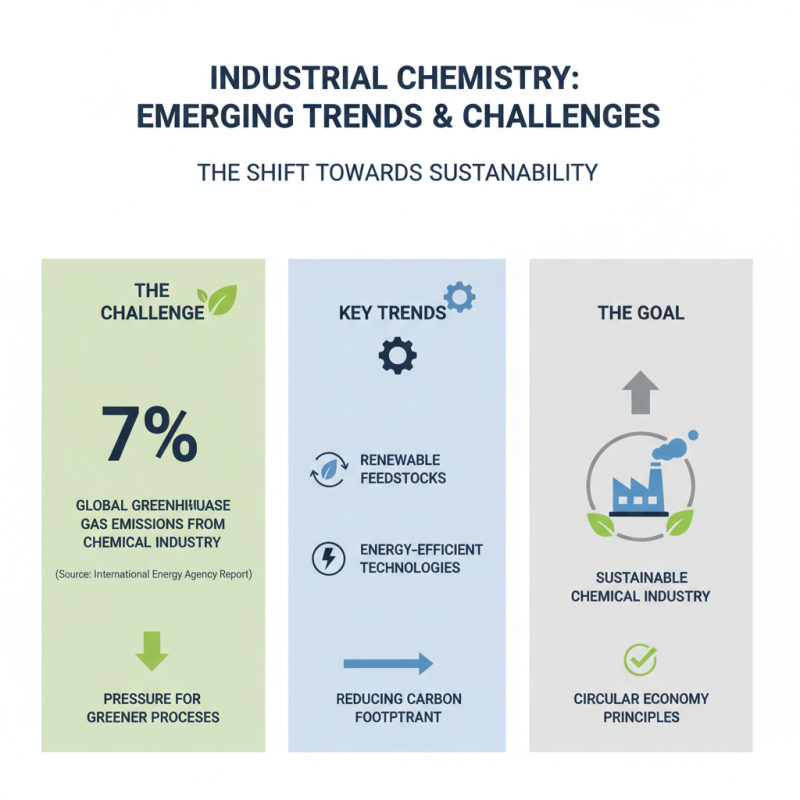
Industrial chemistry plays a critical role in our daily lives. It shapes the manufacturing of products we depend on, from fuels to pharmaceuticals. However, the environmental implications of these processes cannot be overlooked. Many industrial activities generate waste and contribute to pollution. Air and water quality suffer as a result. This presents a challenge for chemists today.
Sustainability is essential in industrial chemistry. There’s a pressing need for greener methods that minimize harm to the environment. Utilizing renewable resources could reduce carbon footprints significantly. Industries are exploring alternative raw materials. Reducing resource consumption is a goal but remains complex. Not all industries are equally equipped or willing to adapt.
We must reflect on our choices. Are we truly prioritizing the environment in industrial processes? Implementing sustainable practices often requires substantial investment. The transition can be slow and met with resistance. Balancing profitability and sustainability is a tricky equation. Yet, the future of industrial chemistry hinges on this transformation.