Top 10 Innovations in Chemical Processing Driving Industry Efficiency in 2023
In the rapidly evolving landscape of chemical processing, innovation remains a critical driver of industry efficiency and sustainability. According to a recent report by MarketsandMarkets, the global chemical processing industry is projected to reach $6.7 trillion by 2025, highlighting the immense growth potential and the need for cutting-edge solutions. As companies strive to optimize operations and reduce costs, a focus on innovative technologies and methodologies has never been more essential.
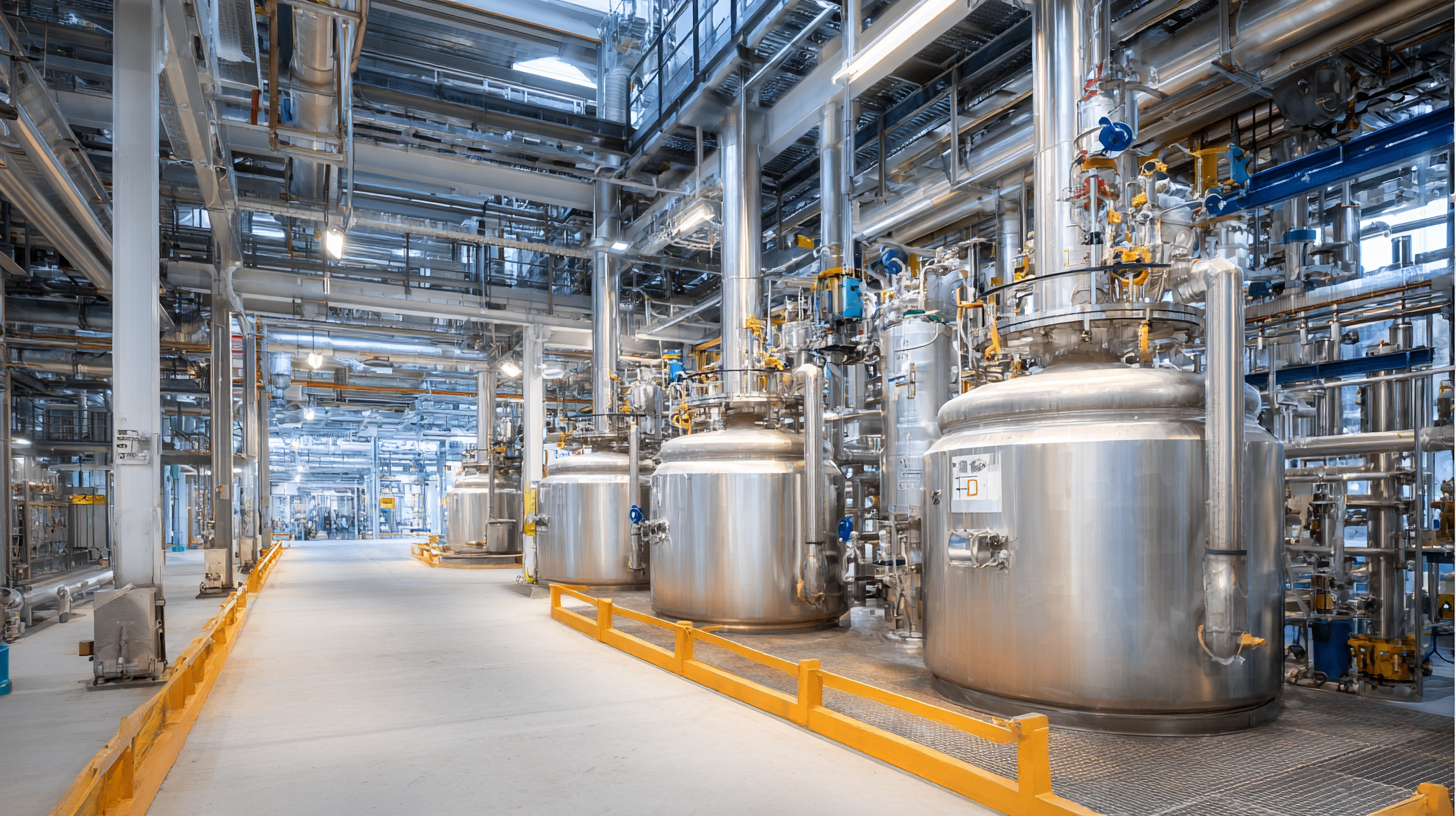
In 2023, several key advancements in chemical processing are set to transform the industry. Notably, the implementation of artificial intelligence and machine learning technologies has begun to enhance predictive maintenance and process optimization. A study by McKinsey & Company indicates that companies adopting these technologies can achieve productivity improvements of up to 30%. Furthermore, the adoption of sustainable practices, such as carbon capture and utilization, is gaining traction, aligning with global sustainability goals. This drive for efficiency is not only vital for economic resilience but is also essential for meeting regulatory demands and consumer expectations in an era increasingly focused on environmental responsibility.
Emerging Automation Technologies Enhancing Chemical Process Efficiency in 2023
Emerging automation technologies are revolutionizing the chemical processing industry in 2023, driving efficiency and productivity like never before. According to a recent report by Mordor Intelligence, the global chemical automation market is expected to grow at a CAGR of 7.5%, reaching $20 billion by the end of 2023. This surge is attributed to the increasing demand for automation solutions that optimize production processes and enhance safety standards. Innovations such as advanced process control (APC) systems and artificial intelligence (AI) algorithms are leading the way, enabling real-time monitoring and predictive maintenance that allows companies to reduce downtime and minimize waste.
Tips: Implementing AI-driven predictive analytics can help chemical manufacturers identify potential equipment failures before they occur, resulting in lower maintenance costs and increased operational uptime. Investing in robust cybersecurity measures is also crucial, as automation systems become more interconnected and vulnerable to cyber threats.
Furthermore, the integration of the Internet of Things (IoT) in chemical processing facilitates enhanced data collection and communication between devices. A study by Accenture indicates that companies leveraging IoT solutions have reported a 20% increase in operational efficiency. Emphasizing the use of smart sensors in batch processing can help track variables such as temperature and pressure in real-time, thereby ensuring product quality and consistency. The focus on automation not only boosts productivity but also aligns with the industry's growing commitment to sustainability by reducing energy consumption and minimizing environmental impact.
Advancements in Green Chemistry: Reducing Waste and Energy Consumption
Green chemistry is at the forefront of transforming chemical processing in 2023, emphasizing sustainability and reducing environmental impacts. One of the significant advancements in this field is the development of more efficient catalytic processes that minimize waste generation. By employing catalysts that can be easily recovered and reused, industries are drastically cutting down on the materials that typically end up as waste, thus promoting a circular economy. This not only helps in conserving resources but also reduces the overall energy consumption associated with chemical manufacturing.
Another pivotal innovation is the focus on alternative solvents and cleaner reaction conditions. Traditional solvents often contribute to harmful emissions and high energy costs. In 2023, companies are increasingly adopting greener solvents derived from renewable sources or utilizing solvent-free reaction conditions. This transition not only diminishes the environmental footprint of chemical processes but also enhances safety for workers by reducing exposure to toxic substances. Overall, these advancements in green chemistry are central to fostering a more sustainable and efficient chemical industry.
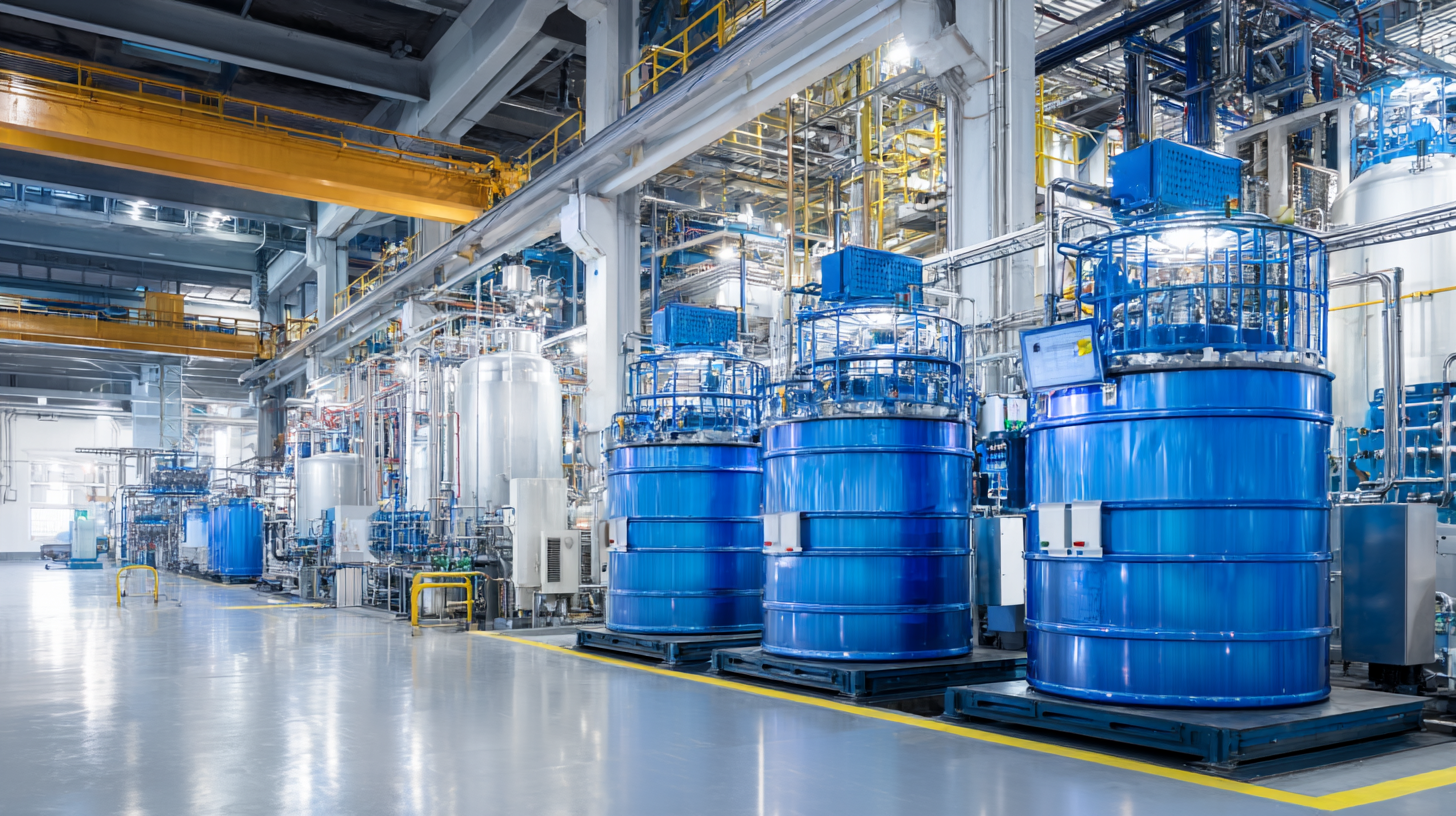
Integration of AI and Machine Learning for Predictive Maintenance in Chemical Plants
The integration of artificial intelligence (AI) and machine learning (ML) in chemical processing has emerged as a transformative innovation for predictive maintenance in chemical plants. According to a report by McKinsey & Company, businesses that adopt AI and ML can achieve a 20-30% reduction in maintenance costs while simultaneously enhancing equipment uptime. These technologies utilize vast amounts of data from sensors and historical maintenance records to predict equipment failures before they occur, allowing for timely interventions and minimized downtime.
Incorporating AI-driven predictive maintenance not only improves operational efficiency but also contributes to sustainability goals. A study by Accenture indicates that AI can help chemical manufacturers reduce energy consumption by up to 10%. This is particularly crucial in a sector where energy efficiency directly correlates with operational cost and environmental impact.
Tips: To successfully implement AI and ML for predictive maintenance, companies should invest in training their workforce on new technologies and reshape their data management practices. Furthermore, collaborating with AI specialists can significantly elevate the effectiveness of these predictive models, ensuring that they are tailored to the specific operational needs of the chemical plant.
Top 10 Innovations in Chemical Processing Driving Industry Efficiency in 2023
| Innovation |
Description |
Impact on Efficiency |
Adoption Rate (%) |
Projected Savings ($M) |
| AI-Driven Process Optimization |
Utilizes AI algorithms to optimize chemical processes in real-time. |
Improves throughput by 15%. |
65 |
25 |
| Predictive Maintenance |
Uses machine learning to predict equipment failures before they occur. |
Reduces downtime by 30%. |
70 |
15 |
| Data Analytics for Process Monitoring |
Analytics platforms provide insights into production data. |
Enhances quality control, reducing waste by 20%. |
60 |
10 |
| Digital Twin Technology |
Creates virtual models of physical plants for simulation and analysis. |
Increases operational efficiency by 18%. |
45 |
20 |
| Automated Quality Inspection |
Robotic systems inspect product quality in real time. |
Decreases quality-related rework by 25%. |
55 |
12 |
| Blockchain for Supply Chain Transparency |
Uses blockchain to ensure traceability in the supply chain. |
Improves transaction efficiency and reduces fraud. |
40 |
8 |
| Robotics in Material Handling |
Utilizes robotic systems for efficient material transport. |
Lowers labor costs and accident rates by 20%. |
50 |
18 |
| Energy Management Systems |
AI systems for optimizing energy usage in plants. |
Reduces energy consumption by 10%. |
65 |
16 |
| Advanced Process Control |
Techniques that optimize process variables for efficiency. |
Improves yield by 12%. |
57 |
14 |
Innovative Separation Techniques Streamlining Product Recovery and Purification
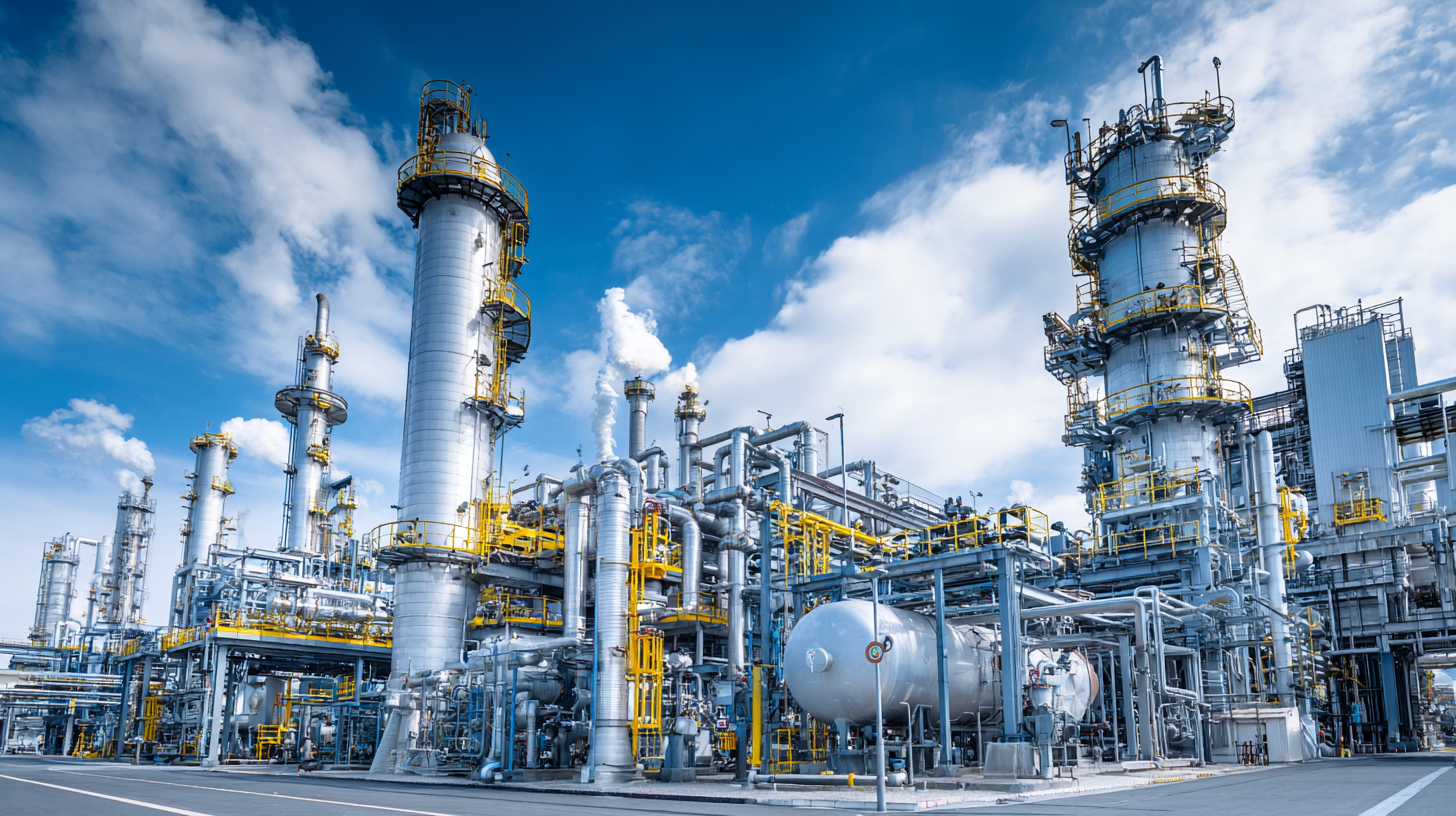 In 2023, innovative separation techniques are revolutionizing the chemical processing industry by enhancing product recovery and purification. Advanced methods such as membrane filtration, centrifugal separation, and electrochemical techniques are increasingly adopted to achieve higher efficiencies. These technologies not only reduce waste but also improve the quality of end products, which is essential for maintaining competitive advantage in the market.
Tip: When considering the implementation of new separation techniques, it’s important to conduct a thorough cost-benefit analysis. This ensures that the chosen method aligns with your production needs and financial goals, ultimately helping you make informed investment decisions.
Another noteworthy trend is the integration of automation and AI in separation processes. These technologies enable real-time monitoring and analysis, providing manufacturers with the ability to adjust processes dynamically. This leads to greater precision in operations and minimizes downtime, fostering a more efficient production environment.
Tip: Training staff on new technologies is crucial for success. Ensure that your team is well-versed in operating advanced separation systems to fully capitalize on their capabilities and guarantee smooth transition during implementation.
Impact of Digitization on Supply Chain Optimization in the Chemical Industry
In 2023, the chemical industry is experiencing unprecedented transformations driven by digitization, which is significantly optimizing supply chains. According to a report from McKinsey, companies that have implemented advanced digital tools have seen up to a 20% increase in operational efficiency. Innovations such as real-time data analytics and predictive modeling empower companies to respond swiftly to market demands, reducing lead times and improving inventory management. The integration of IoT devices allows for continuous monitoring of production processes, ensuring quality and efficiency while minimizing waste.
Tips: To maximize the benefits of digitization, organizations should invest in training their workforce to utilize new technologies effectively. A skilled team can identify inefficiencies faster and contribute to a culture of continuous improvement. Moreover, collaborating with technology providers can help firms stay abreast of the latest advancements tailored to their specific needs.
Moreover, leveraging blockchain technology for supply chain transparency can enhance trust and traceability, critical in today’s competitive environment. A recent Deloitte report indicates that 58% of supply chain professionals believe blockchain will significantly impact the way they do business within the next five years. By adopting these digital innovations, chemical companies can not only streamline their operations but also enhance their sustainability efforts, creating a more resilient industrial framework.
Top 10 Innovations in Chemical Processing Driving Industry Efficiency in 2023