Top Manufacturing Chemical Trends Driving Industry Innovation?
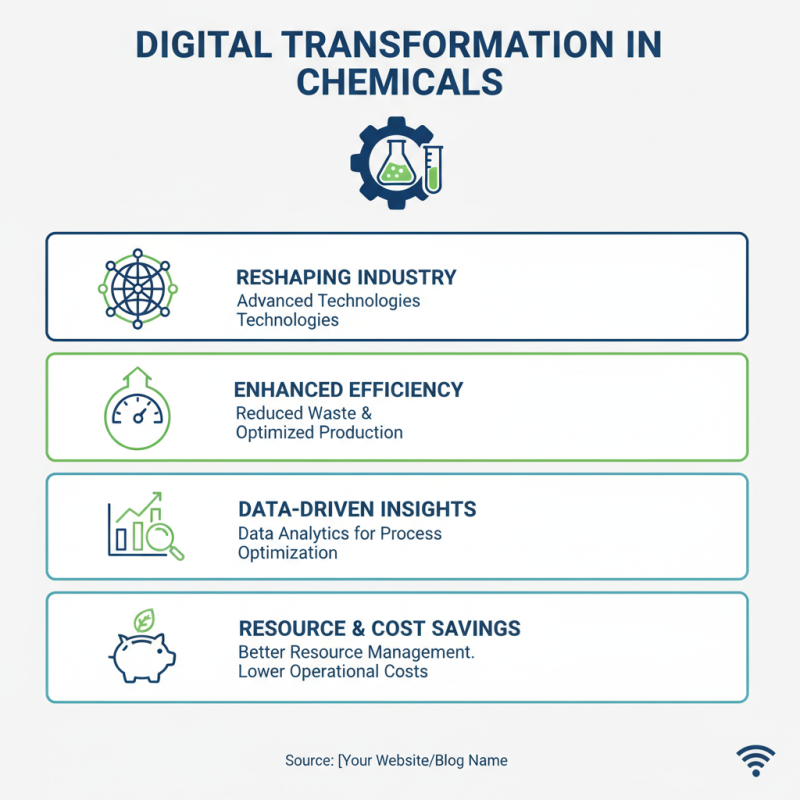
The manufacturing chemical sector is evolving rapidly. Recent reports indicate that global market growth is expected to surpass $5 trillion by 2025. This growth is largely fueled by sustainability initiatives and digital transformation. Companies are embracing green chemistry, which minimizes hazardous substances.
Innovation in manufacturing chemicals is influenced by advanced technologies. Automation and machine learning unleash new efficiencies and enhance supply chain management. For example, predictive analytics is now integral for demand forecasting. Despite these advancements, some manufacturers face challenges. Adapting to new regulations can be daunting, risking compliance issues.
In conclusion, the manufacturing chemical industry stands at a crossroads. While opportunities abound, companies must address both the potential and the inherent risks. Stakeholders should remain vigilant in monitoring trends and regulations. Failing to adapt may result in missed opportunities in this dynamic market.
Emerging Biotechnologies Enhancing Chemical Manufacturing Processes
Emerging biotechnologies are reshaping chemical manufacturing processes. These advancements bring a wave of change that enhances efficiency and sustainability. For instance, synthetic biology is allowing manufacturers to design microorganisms that produce chemicals more sustainably. This shift reduces dependency on fossil fuels.
Another significant trend is the use of enzymes in chemical reactions. Enzymes can facilitate processes at lower temperatures and pressures. This not only cuts energy costs but also minimizes waste. The precision of enzymes can lead to higher yields with fewer byproducts. However, the challenge remains in scaling these biotechnologies for mass production.
Additionally, integrating biotechnologies requires ongoing research and investment. Not all companies are equipped to adopt these changes quickly. There may be gaps in knowledge and resources that hinder progress. Continuous development and collaboration are necessary to overcome these barriers. The path to innovation is not always straightforward.
Sustainability Initiatives Shaping the Future of Chemical Production
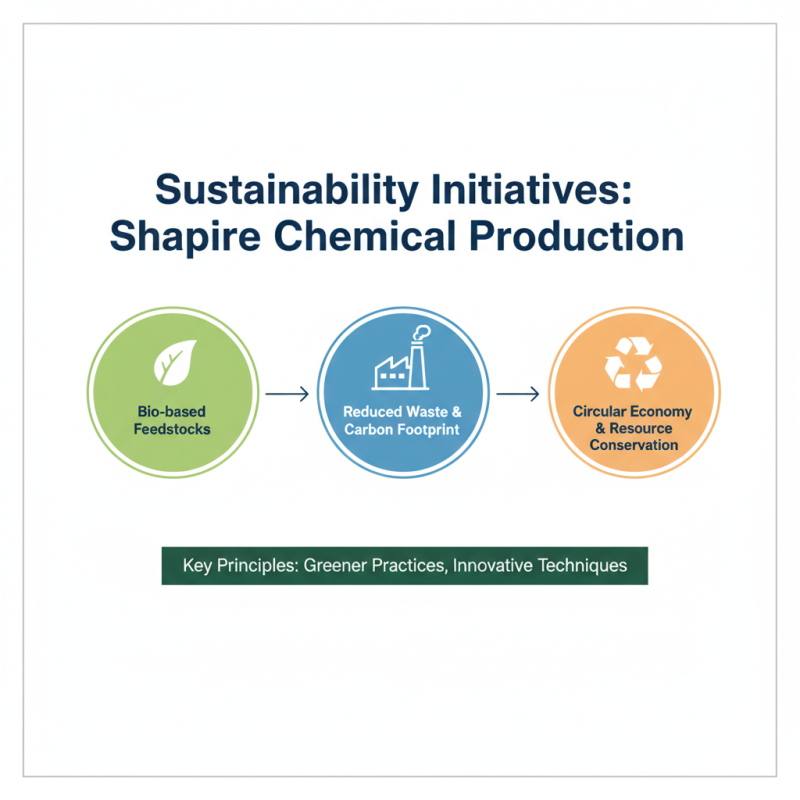
Sustainability has become a cornerstone of the chemical manufacturing industry. The shift towards greener practices is evident in new production techniques. Companies are adopting processes that minimize waste and reduce carbon footprints. For instance, biobased feedstocks are increasingly replacing petroleum-based ones. This change supports the circular economy and promotes conservation of natural resources.
Moreover, innovative recycling methods are being explored. Chemical recycling allows the breakdown of plastics into their original monomers. This approach can significantly reduce landfill waste. However, these methods are still in their infancy, and challenges remain in scalability and efficiency. Industry leaders must address these hurdles to truly embrace sustainable practices.
The regulatory landscape is also influencing sustainability initiatives. Stricter emissions standards are forcing manufacturers to rethink their operations. Compliance not only boosts corporate responsibility but can also enhance marketability. Nonetheless, companies often struggle to balance compliance costs with profitability. The journey towards sustainable chemical production is fraught with complexities and requires ongoing reflection and adjustment.
Market Trends: The Shift Towards Bio-based Chemical Products
The manufacturing chemical industry is witnessing a notable shift towards bio-based products. Recent reports indicate that the bio-based chemical market is projected to grow by 11% annually through 2028. This trend reflects a growing demand for sustainable alternatives, driven by environmental concerns and regulatory changes.
Many manufacturers now prioritize reducing their carbon footprint. They are investing in renewable feedstocks like plants and waste materials. For instance, a study cited by the International Renewable Energy Agency highlights that bio-based alternatives can reduce greenhouse gas emissions significantly compared to traditional fossil-based chemicals. The transition is not without challenges. Sourcing raw materials sustainably and ensuring product reliability remain critical issues.
Companies are continuously exploring new technologies for production. Innovations in fermentation processes and enzymatic reactions aim to enhance yields and efficiency. Yet, the industry still faces skepticism regarding performance and scalability. Many bio-based products need further validation to meet stringent performance standards. The journey towards fully sustainable manufacturing requires ongoing research and collaboration across sectors.
Top Manufacturing Chemical Trends Driving Industry Innovation
This bar chart illustrates the percentage growth of various segments of the bio-based chemical market over the past five years. The trends indicate a significant shift towards renewable resources and sustainable practices in the chemical manufacturing industry.
Regulatory Changes Influencing Innovation in Chemical Manufacturing
Regulatory changes significantly impact innovation in the chemical manufacturing sector. New environmental standards push companies to rethink their production processes. For instance, stricter emissions regulations drive the development of cleaner technologies. This shift not only meets compliance requirements, but also enhances operational efficiency.
Organizations must navigate complex regulatory frameworks. This can lead to uncertainties, complicating investment decisions. Manufacturers often struggle to keep pace with evolving laws. However, these challenges can inspire creative solutions. Companies are investing in sustainable practices, adapting to market demands while ensuring safety and compliance.
Innovators are looking for ways to optimize resource use. Many are exploring alternative materials and processes. The focus is not just on profitability, but also on sustainability. Such trends mirror a broader commitment to environmental responsibility. The industry faces hurdles, yet these constraints can foster significant advancements.
Top Manufacturing Chemical Trends Driving Industry Innovation
| Trend |
Description |
Impact on Industry |
Regulatory Influence |
| Sustainability |
Adoption of eco-friendly practices and materials. |
Leads to cost savings and improved corporate reputation. |
Increased regulations promoting green chemistry. |
| Digital Transformation |
Integration of IoT and AI technologies in manufacturing processes. |
Enhances efficiency and reduces operational costs. |
New standards for data security and technology use. |
| Supply Chain Resilience |
Strategies to mitigate risks in supply chain disruptions. |
Improves reliability and customer satisfaction. |
Policies promoting sustainable sourcing and supplier practices. |
| Circular Economy |
Focus on reducing waste through recycling and reusing materials. |
Fosters innovation in product design and process efficiency. |
Regulations encouraging waste reduction initiatives. |
| Regulatory Compliance |
Adapting to evolving chemical regulations and standards. |
Ensures safety and quality of chemical products. |
Increased focus on compliance-related innovations. |