2026 How to Optimize Industrial and Chemical Solutions for Efficiency?
In the quest for optimization, industrial and chemical solutions play a pivotal role. The landscape of manufacturing and chemical processing is continually evolving. Efficiency is not just a goal; it is a necessity. Companies strive to reduce costs while increasing output. However, many struggle with outdated practices and technology.
Integrating new methods can yield immediate benefits. For instance, adopting automation and data analytics can enhance productivity. Yet, some companies hesitate to implement these changes. Fear of disruptions often holds them back. It's essential to recognize that resistance to innovation can stifle efficiency.
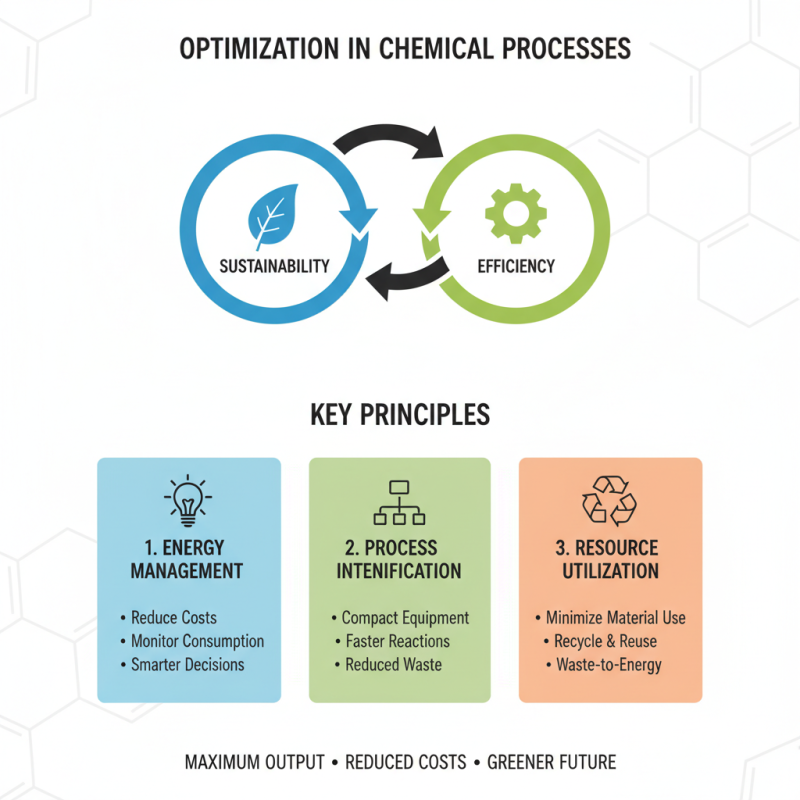
Moreover, sustainability is becoming increasingly important. Industrial and chemical solutions must align with environmental standards. This shift can be challenging for some organizations. Balancing profitability and ecological responsibility requires careful planning. In the end, optimizing industrial and chemical solutions necessitates a commitment to continuous improvement. It’s a journey with both triumphs and setbacks that shapes the future of the industry.
Understanding the Current Challenges in Industrial and Chemical Efficiency
Efficient industrial and chemical processes are crucial. Many companies face significant challenges. Energy consumption remains high, impacting costs. Idle machinery often contributes to wasted resources. These issues demand immediate attention.
A common problem is outdated machinery. Upgrading equipment can be expensive but necessary. Many organizations hesitate. They worry about the return on investment. However, inefficiencies can lead to greater losses over time. Operators must assess their current setup regularly.
Training staff is another hurdle. Workers need to understand new systems. Many companies fail to provide adequate training resources. This gap can hinder productivity. Continuous learning should be a priority. Embracing a culture of efficiency can make a real difference. Recognizing these challenges is the first step toward meaningful improvement.
Implementing Advanced Technologies: Automation and AI in Industry
Advanced technologies like automation and AI are transforming industries. These innovations enhance efficiency and reduce human error. Automation allows for faster production cycles and consistency in processes. AI, on the other hand, analyzes vast amounts of data in real-time. It can predict machine failures before they happen, saving time and costs.
However, there are challenges. Integrating new technologies may disrupt existing workflows. Resistance from employees can slow down progress. Training is essential but often overlooked. Companies must ensure their staff is equipped to handle new systems. Without proper training, the full potential of automation and AI remains untapped.
Moreover, technology isn't a magic solution. It requires ongoing evaluation and refinement. Businesses should remain open to feedback and be willing to adjust their strategies. Efficiency gains may not materialize immediately. Continuous improvement is key to successfully leveraging these advanced tools in industrial settings.
Sustainable Practices: Reducing Waste and Enhancing Productivity
Sustainable practices in the industrial and chemical sectors are crucial for reducing waste. According to a report by the International Energy Agency, around 40% of global energy consumption is linked to industrial activities. Implementing energy-efficient technologies can cut costs significantly. For example, adopting heat recovery systems can reduce energy use by 20-30%. Yet, many facilities still overlook these opportunities.
Waste reduction strategies are equally important. The Ellen MacArthur Foundation reported that only 9% of plastics are recycled globally. This statistic should alarm industries reliant on plastics. Simple measures like optimizing material usage and improving recycling processes could markedly lessen their environmental footprint. However, businesses often hesitate to invest in changes, weighing immediate costs against long-term gains.
Enhancing productivity is not merely about efficiency; it must also consider sustainability. The World Economic Forum suggests that circular economy models can increase profitability by up to 14%. Yet, the transition is often fraught with challenges. Companies need to rethink traditional models. Are the risks worth the rewards? Establishing a sustainable mindset is essential, but it's a gradual process. The path forward may be unclear, but the goal is undeniable.
Optimizing Industrial and Chemical Solutions for Efficiency
Monitoring and Analytics: Using Data to Drive Continuous Improvement
In today’s industrial landscape, monitoring and analytics play a critical role in enhancing efficiency. Data collection tools can provide real-time insights into production processes. Many companies, however, overlook the importance of these details. Ignoring patterns may lead to costly inefficiencies and missed opportunities.
Implementing analytics involves tracking key performance indicators. Operational data should be analyzed regularly to identify trends. For instance, fluctuations in energy consumption can signal equipment malfunctions. If not addressed, these issues can escalate, leading to downtime. Minor adjustments in production parameters can yield significant benefits.
Continuous improvement relies on data-driven decision-making. Companies may struggle to interpret data effectively. A lack of proper tools can hinder this process. It is crucial to invest in the right technology. However, simply having tools is not enough; teams must be trained to analyze and act on the insights gathered. Emphasizing a culture of learning can facilitate this transformation.
2026 How to Optimize Industrial and Chemical Solutions for Efficiency? - Monitoring and Analytics: Using Data to Drive Continuous Improvement
| Metric |
Value |
Comparison to Previous Year |
Date Recorded |
| Input Material Efficiency |
85% |
+5% |
2026-01-15 |
| Energy Consumption (kWh) |
120,000 |
-10% |
2026-01-15 |
| Production Downtime (hours) |
20 |
-5% |
2026-01-15 |
| Waste Generation (tons) |
15 |
-3% |
2026-01-15 |
| Safety Incident Rate |
0.2 |
No change |
2026-01-15 |