What is PET Release Film and Why is it Important in Packaging?
Understanding PET Release Film is essential in modern packaging. This versatile material plays a critical role in various applications. From protective coatings to labels, PET Release Film provides a reliable solution.
Manufacturers and designers value PET Release Film for its unique properties. It offers excellent release characteristics, ensuring easy separation from adhesive surfaces. This feature is particularly important in high-speed production lines, enhancing efficiency.
Moreover, PET Release Film is sustainable. It supports eco-friendly practices in packaging. However, not all options are perfect. Some may not meet specific industry standards. Evaluating different types of PET Release Film can be challenging. It’s vital to choose wisely to avoid costly errors. Understanding these aspects can lead to better decision-making in packaging choices.
Definition of PET Release Film and Its Composition
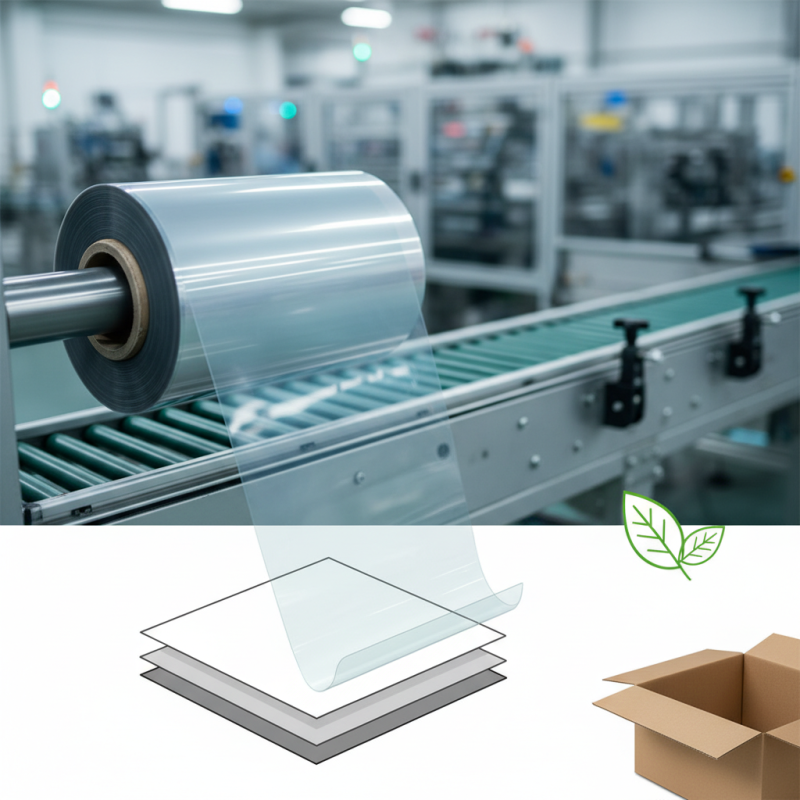
PET release film is a specialized material widely used in packaging applications. This film is primarily composed of polyethylene terephthalate (PET), a thermoplastic polymer known for its strength, flexibility, and excellent barrier properties. The release film's surface is treated for easy detachment from adhesives, making it ideal for various applications like labels, tapes, and medical products.
Data from industry reports indicate that the global PET release film market is poised for significant growth. The market was valued at approximately $1.5 billion in 2020 and is anticipated to reach $2.3 billion by 2026. This growth reflects the increasing demand for efficient packaging solutions across industries. The unique features of PET release film, such as chemical resistance and clarity, contribute to its expanding use.
However, challenges exist. The recycling rate for PET materials is currently below 30% in many regions. This raises questions about sustainability in packaging. Despite its advantages, the environmental impact of single-use films remains a concern. Addressing these issues requires innovation and a commitment to responsible manufacturing practices. The industry must confront these challenges while balancing performance and environmental responsibility.
Key Properties of PET Release Film for Packaging Applications
PET release film is a crucial component in the packaging industry. It serves various applications, enhancing both functionality and efficiency. According to market research, the global demand for PET release film is projected to reach $4 billion by 2027, indicating a robust growth trajectory.
One key property of PET release film is its superior chemical resistance. This makes it suitable for a variety of substances, such as adhesives and coatings. The film is also noted for its excellent clarity, allowing for vivid displays of packaged products. Additionally, it maintains stable performance under varying temperatures, a critical factor in storage and logistics.
Another important aspect is its adaptability. PET release films can be engineered to meet specific functional requirements. Different release levels provide flexibility for various applications. Despite these advantages, some users report issues related to surface finish inconsistency. Addressing this quality control concern is essential for sustained growth in the packaging sector.
Applications of PET Release Film in Various Industries
PET release film plays a crucial role across various industries. In the automotive sector, it's used for adhesive bonding processes. According to a 2021 market report, the automotive adhesives market is projected to reach USD 17 billion by 2027, highlighting the rising demand for efficient bonding solutions. PET release film acts as a non-stick surface during assembly, ensuring smooth handling of components.
In the electronics industry, PET release film is essential for manufacturing flexible displays and circuits. This material offers excellent thermal stability and electrical insulation. A recent study showed that the global flexible electronics market is expected to grow at a CAGR of 10.7% from 2021 to 2028. This growth emphasizes the importance of reliable materials like PET release film in creating advanced electronic devices.
The medical sector also benefits from PET release film. It is used in the production of various medical devices and wound dressings. A 2020 report noted the medical packaging market's expansion, with a projected value exceeding USD 45 billion by 2027. The film ensures sterility and protection for sensitive products, showcasing its vital role in healthcare. However, challenges remain, such as recycling and disposal issues, which need attention for sustainable development.
Benefits of Using PET Release Film in Packaging Solutions
PET release film plays a crucial role in the packaging industry. It serves as a non-stick surface, allowing easy removal of products from molds or surfaces. This feature is especially valuable in the production of adhesive materials. Without it, manufacturers could face significant challenges in the efficiency of their operations.
The benefits of using PET release film extend beyond convenience. Its durability and resistance to various chemicals ensure that packaged products remain protected. This protection leads to less waste, as fewer products get damaged during packaging and transport. Additionally, PET is recyclable, aligning with environmental sustainability goals. Some critics argue that while PET release films are beneficial, not all choices are fully eco-friendly. Research is ongoing to improve alternative materials.
An advantage is its versatility in various applications. Whether in food packaging or automotive components, PET release films hold significant importance. However, not all packaging solutions use it optimally, leading to fluctuating quality levels. Continuous innovation and adaptation are needed to maximize the effectiveness of PET release films in diverse settings.
Environmental Considerations and Sustainability of PET Release Film
PET release film plays a significant role in packaging, especially in industries like food and pharmaceuticals. Its lightweight nature and versatility make it a favored material. However, amid growing environmental concerns, its production and disposal raise important questions.
The sustainability of PET release film is under scrutiny. While it is recyclable, many facilities struggle with processing it effectively. Contamination during usage can also limit its recyclability. As consumers push for greener options, the packaging industry must innovate to reduce waste. Sustainable alternatives are emerging, but they still need extensive testing and approval.
Transitioning to biodegradable materials could be a solution. Yet, perfecting these alternatives takes time and research. The journey toward sustainability is fraught with challenges and often requires balancing cost and environmental impact. Adopting a thorough lifecycle approach can guide the development of future materials in packaging.
Usage of PET Release Film in Different Industries