


Careers

Top 10 Tips for Choosing Eva Foam Mats for Your Needs?

Choosing the right Eva Foam Mat can significantly impact your comfort and safety. These mats are popular for various activities, from exercising to playtime for kids. Understanding your specific needs is crucial when selecting the perfect mat.

Consider the intended use of your Eva Foam Mat. Will it be used for workouts, play areas, or workshops? Thickness, texture, and size vary widely, affecting their functionality. Additionally, look for non-toxic materials to ensure safety, especially for children. Brands vary in quality, so research customer reviews for insights.

Choosing an Eva Foam Mat may seem straightforward, yet many make mistakes. It’s essential to evaluate not just appearance but also durability and ease of cleaning. Make an informed choice by balancing aesthetics and practicality.
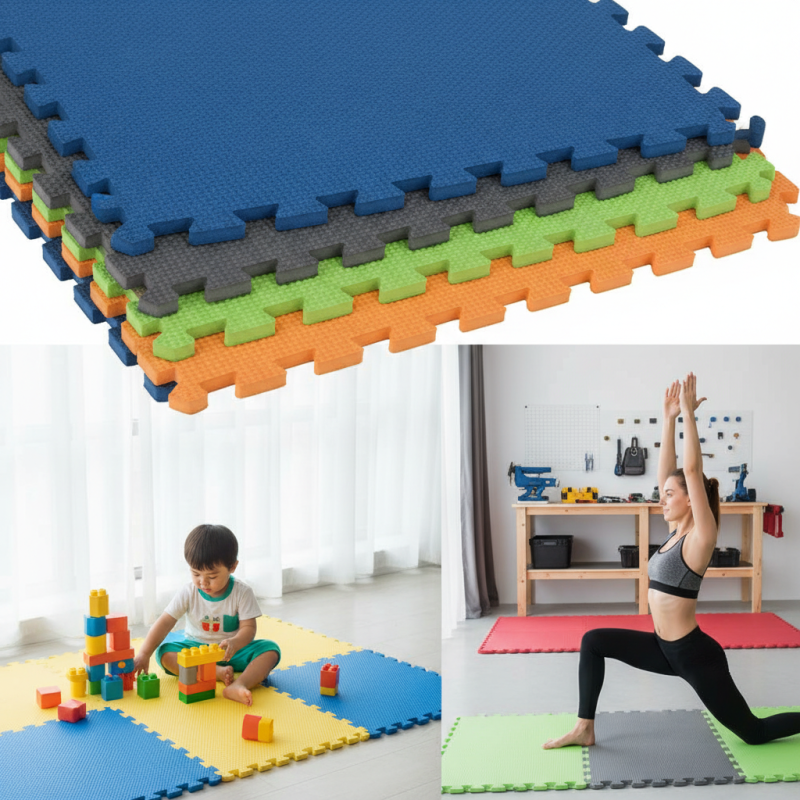
Top 10 Tips for Choosing Eva Foam Mats for Your Needs?

Understanding the Different Types of Eva Foam Mats Available

When selecting EVA foam mats, it's crucial to understand the different types available. EVA foam comes in various densities and thicknesses. Higher density mats offer excellent durability and support. These are ideal for heavy-use areas, like gyms or playrooms. Thinner mats can be more portable and are great for temporary setups.

Additionally, consider the surface texture. Some mats have a smooth finish, while others may have a non-slip texture. This is significant for safety, especially in areas where spills might occur. Color options also vary widely, allowing you to match your mats with existing décor or create a lively environment.

It's important to reflect on your specific needs. What activities will you use the mats for? Will they be exposed to moisture or heavy traffic? Not all mats can withstand heavy weights or moisture. Research before purchasing to ensure your choice aligns with your intended use. Understanding the differences will help you make a more informed decision.

Evaluating Thickness and Density for Comfort and Support

When selecting Eva foam mats, thickness and density are crucial factors for comfort and support. A recent report from the American Journal of Sports Science indicates that thicker mats (1 inch and above) provide better cushioning, reducing stress on joints during workouts. Mats with a density of 50 to 80 kg/m³ are ideal for absorbing impact. This density offers sufficient support without feeling overly rigid or too soft.

Choosing a mat that is too thin can lead to discomfort and possible injuries. Mats under half an inch may not provide adequate shock absorption. They might feel okay for sitting but can fail in high-impact activities. Not all mats are equally suitable for every user. Personal preferences play a significant role. One user might prefer a denser mat for stability, while another might seek the soft feel of a less dense option.

It’s essential to test different mats when possible. Personal experience varies greatly. A user might find one mat supportive, while another feels discomfort after prolonged use. Take the time to read reviews, but remember: what works for most may not work for you. The ideal mat should balance thickness for comfort and density for support tailored to your unique activities.

Thickness and Density Comparison of Eva Foam Mats

This chart compares the density of Eva foam mats based on different thickness levels. As thickness increases, the density also rises, which can affect comfort and support.

Considering Safety Features: Non-Toxic and Slip-Resistant Options

When selecting Eva foam mats, safety should be a top priority. Look for non-toxic materials. Many mats claim to be safe, but not all meet strict standards. Verify that the mats are free from harmful chemicals like phthalates and formaldehyde. This is especially important for children and pets. The peace of mind that comes from using certified products is invaluable.

Slip-resistance is another essential feature to consider. Mats should have textured surfaces to prevent accidental falls. Evaluate the mat's grip on various surfaces, including hardwood floors and tiles. Sometimes, even high-quality mats can slide during use, so be cautious. Testing the stability at home can help ensure safety in your space.

Incorporating these features can greatly improve the usability of foam mats. While it may take extra time to research, the benefits are significant. Creating a safe environment requires attention to detail. Take the time to analyze each mat's features and feel confident in your choice.

Assessing the Durability and Maintenance Needs of Eva Foam Mats

When choosing EVA foam mats, assessing durability and maintenance is crucial. EVA foam is known for its resistance to wear. Studies suggest that high-density EVA mats can last longer than their lower-density counterparts. According to research by the International Journal of Industrial Ergonomics, durable flooring can reduce replacement costs by 20% over time.

Maintenance needs vary. Most EVA mats are easy to clean with mild soap and water. This simplicity helps maintain hygiene, especially in high-traffic areas. However, some users overlook periodic maintenance. Ignoring this can lead to premature wear and decreased lifespan. A report from the American Society for Testing and Materials reminds us that proper upkeep is essential for long-term durability.

Durability also depends on the environment. For instance, mats exposed to heavy foot traffic or outdoor conditions may wear faster. A survey by the National Safety Council highlights that EVA mats used in gyms or play areas require more frequent inspections. Light wear may go unnoticed, leading to accidents or damage. Being aware of these factors is key to making an informed choice.

Top 10 Tips for Choosing Eva Foam Mats for Your Needs

Tip No. Tip Durability Considerations Maintenance Needs
1 Consider Thickness Higher thickness generally increases durability. Easier to clean, but heavier to move.
2 Assess Texture Textured surfaces can provide better grip. May require more frequent cleaning.
3 Check Material Quality High-quality EVA lasts longer and withstands wear. Simple spot cleaning is usually sufficient.
4 Evaluate Size Options Larger mats may endure high-impact use better. More surface area to maintain, but usually easy to wipe down.
5 Consider Interlocking Options Interlocking mats can be easily replaced if damaged. Easier to clean pieces individually.
6 Look at Eco-Friendliness Eco-friendly options may have varying durability. Check cleaning instructions to avoid harsh chemicals.
7 Review Color Options Light colors may show wear faster. Dark colors may hide stains but can fade with sunlight.
8 Check for Non-Toxic Certifications Certified mats are safer and often more durable. Maintain by avoiding toxic cleaning agents.
9 Research Customer Reviews Look for feedback on durability in actual use cases. Users often share maintenance tips.
10 Consider Warranty Options A good warranty can indicate higher quality. Warranties can sometimes cover maintenance-related issues.

Choosing the Right Aesthetics: Colors and Patterns for Your Space

When it comes to choosing Eva foam mats, colors and patterns play a crucial role in your space. According to the Carpet and Rug Institute, color can influence mood and enhance the aesthetics of any environment. For instance, calming blues and greens might be ideal for a playroom, while vibrant reds and yellows can energize an exercise space. Selecting the right shade can create a harmonious atmosphere that complements your personal style.

Patterns can add an extra dimension to your flooring. A study by the International Journal of Design found that visually stimulating patterns can impact creativity and inspiration, making them ideal for workspaces or creative studios. However, it’s important to balance these designs with your overall décor. Overly complex patterns might overwhelm a small room. Therefore, consider using simpler patterns for larger areas while reserving bolder designs for focal points.

While selecting aesthetics, consider practicality as well. Darker colors tend to show less dirt, making maintenance easier. In contrast, lighter shades can make a space feel larger but may require more frequent cleaning. The right combination of color and pattern should enhance usability while still aligning with your aesthetic preferences. Balancing beauty and function can lead to a space that is not only visually appealing but also practical for everyday use.

Article Source: