Top 10 Chemical Blending Equipment for Global Buyers?
Chemical blending equipment plays a critical role in various industries, including pharmaceuticals, food and beverage, and chemicals. According to a recent market analysis by MarketsandMarkets, the global chemical blending equipment market is projected to reach $2.3 billion by 2025, growing at a CAGR of 5.2%. This growth is driven by increasing demand for customized solutions in blending processes and the need for improved production efficiency.
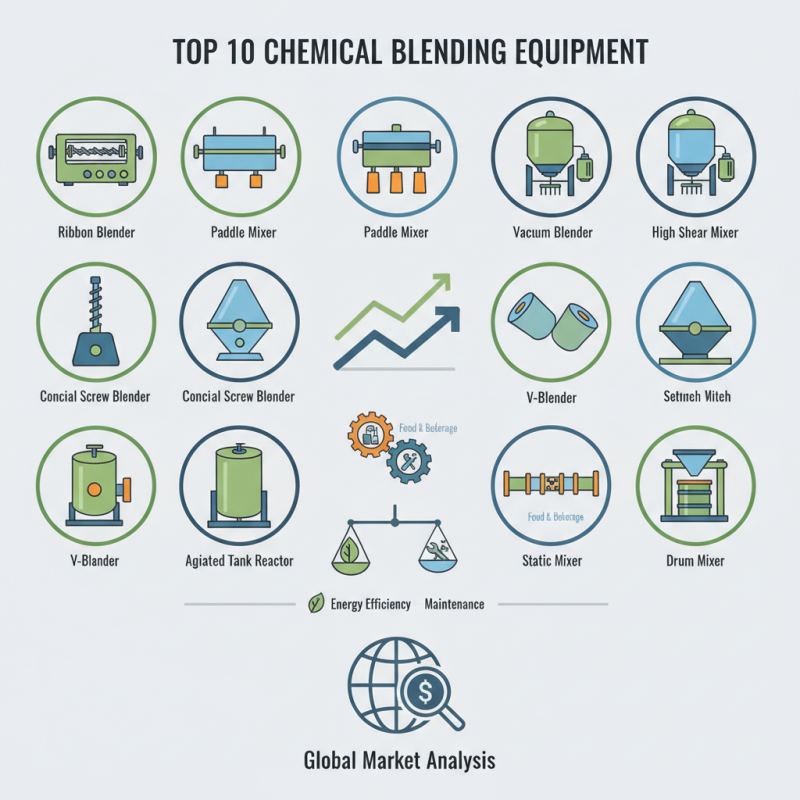
Effective blending is essential for consistency and quality in numerous products. It ensures that raw materials combine evenly to achieve the desired performance characteristics. However, not all blending equipment is created equal. Selecting the right type of equipment can be challenging. Various models—such as ribbon blenders, paddle mixers, and vacuum blenders—offer distinct advantages depending on the intended application. The nuances of these options necessitate a thorough understanding of their capabilities and limitations.
Furthermore, buyers must consider factors such as energy efficiency and maintenance costs when evaluating equipment. Overlooking these aspects can lead to inefficiencies and increased operational costs. As industries evolve, investing in the right chemical blending equipment has never been more crucial for achieving competitive advantages in the global market.
Overview of Chemical Blending Equipment and Their Importance
Chemical blending equipment plays a crucial role in various industries. These machines ensure consistent mixtures of chemicals, which is essential for product quality and safety. Proper blending enhances the performance of chemicals in applications ranging from pharmaceuticals to agriculture.
Selecting the right blending equipment can be tricky. It is vital to consider the specific properties of the chemicals involved. For example, viscosity, temperature, and sensitivity to air may affect blending efficiency. Operators must also understand how different materials interact during the blending process. This knowledge can prevent potential hazards and improve the quality of the final product.
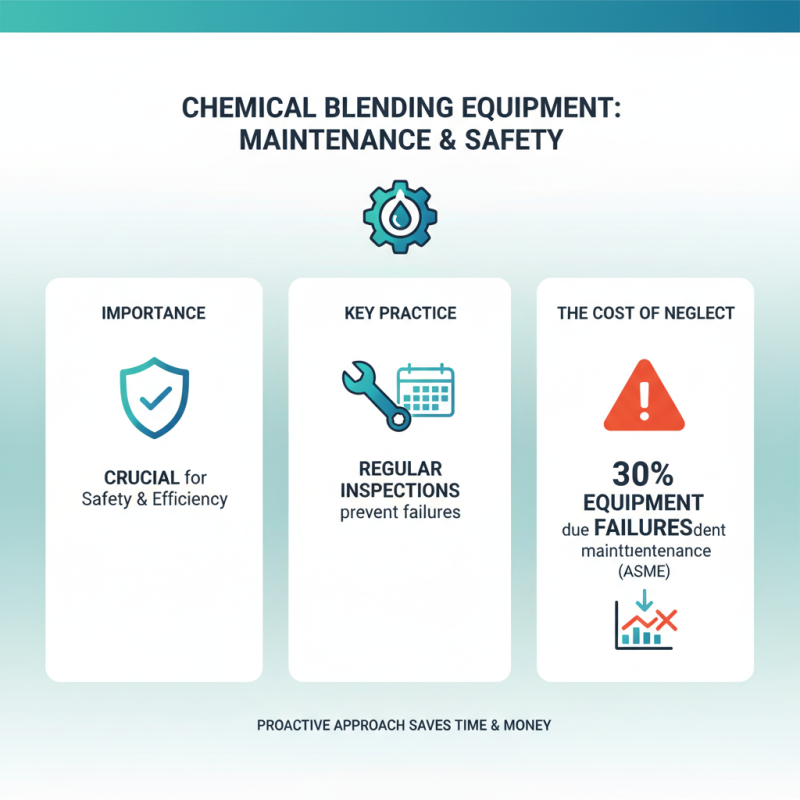
Tips: Always conduct a trial blend. This helps identify any adjustments needed for optimal performance. Regular maintenance of equipment is key to ensuring reliability. Be mindful of fluctuations in raw materials, as this can lead to inconsistencies. Blending is not just about mixing; it’s about understanding the materials. Stay informed and continuously educate yourself on advancements in blending technology.
Key Factors to Consider When Selecting Chemical Blending Equipment
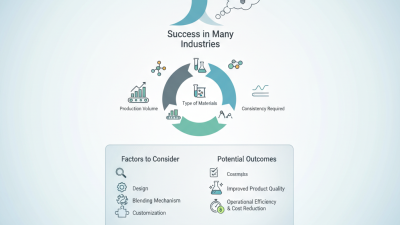
When selecting chemical blending equipment, several key factors come into play. Understanding the specific requirements of your operation is crucial. According to industry reports, blending efficiency can vary by as much as 20% depending on the equipment used. This statistic highlights the importance of aligning machinery capabilities with production goals.
Consider the type of materials you'll be blending. Viscosity, density, and particle size all impact the blending process. For instance, high-viscosity materials may require specialized or heavier-duty mixers. It's essential to evaluate the equipment's construction materials for compatibility and durability. Many operators overlook maintenance requirements, which can lead to unexpected downtimes.
**Tips:** Always test blending equipment on a small scale before full implementation. This trial can reveal potential inefficiencies that may go unnoticed in larger batches. Engaging with technical support from manufacturers can provide insights into best practices.
Evaluate the adaptability of the equipment as well. Markets shift, and your blending needs may change. Having equipment that can easily adjust to new materials is advantageous. Ensure you're also assessing safety features. Equipment without adequate safety measures can lead to incidents that hinder production progress and damage reputation.
Top 10 Chemical Blending Equipment - Market Share Analysis
Top 10 Chemical Blending Equipment for Different Applications
Choosing the right chemical blending equipment is crucial for various applications. Industries utilize different types of mixers to achieve optimal results. For instance, in the pharmaceutical sector, precision is key. Blenders with advanced control systems ensure that all ingredients mix thoroughly. This minimizes errors and enhances product quality.
In the food industry, sanitary standards are paramount. Equipment designed for easy cleaning often simplifies maintenance. Moreover, these blenders must handle diverse ingredients, from powders to liquids. Their versatility allows for quicker product changes, which can boost productivity. However, users should remain mindful of potential cross-contamination risks.
Cosmetic manufacturing requires specialized blending solutions. Equipment needs to accommodate different textures and viscosities. Achieving the right consistency is essential for product stability. Some blenders may struggle with this, leading to unsatisfactory results. Continuous evaluation of blending performance is necessary to achieve desired outcomes. Each application has unique requirements, and understanding these nuances is vital.
Innovations and Trends in Chemical Blending Equipment Technology
In the world of chemical blending, technology is evolving rapidly. New innovations focus on enhancing efficiency and accuracy. Advanced sensors are now used to monitor blending processes in real time. This allows operators to adjust parameters instantly, ensuring optimal results. Additionally, automation is becoming a standard feature, reducing human error significantly.
Another trend is the integration of data analytics. With the right software, companies can analyze blending data to improve their processes continually. This leads to smarter decisions regarding ingredient combinations and blending times. However, some companies still grapple with integrating these technologies. There’s a learning curve that must be addressed. Training staff on new systems and procedures can be challenging.
Sustainability is also a growing concern. Many equipment manufacturers today focus on eco-friendly designs. Reducing energy consumption and waste during blending processes is a priority. However, the balance between efficiency and sustainability remains a complex issue. Companies often find it hard to implement green practices without compromising performance. This ongoing challenge presents an opportunity for innovation and improvement in the field.