China Top Hydrocarbon Solvents Suppliers for Global Buyers
Choosing China Top Hydrocarbon Solvents Suppliers for Global Buyers requires more than comparing prices or catalog sizes. Buyers need consistent specifications, responsive communication, and evidence of reliable production. Hydrocarbon Solvents may support coatings, adhesives, printing inks, cleaning formulations, and other industrial applications. Each use demands careful attention to boiling range, aromatic content, flash point, odor, and evaporation behavior.
A dependable supplier should provide recent Certificates of Analysis, Safety Data Sheets, batch traceability, and clear technical data. Factory audits can reveal storage conditions, filling equipment, quality laboratories, and packaging practices. Sealed drums, IBC tanks, and suitable labels reduce risks during international transportation. Buyers should also confirm export experience, documentation accuracy, and support for destination-country requirements. Compliance is essential.
Details matter.
This guide examines leading Chinese suppliers through practical procurement criteria, including manufacturing capability, quality control, customization, delivery performance, and communication standards. It also considers how suppliers handle sample testing, complaint resolution, and specification changes. These points can separate a stable partnership from an expensive disruption. Still, no supplier ranking is flawless. Public information may be incomplete, and performance can vary between batches or contracts. That limitation deserves attention.
Global buyers should verify claims independently before placing large orders. Request current documents, test samples under real application conditions, and clarify acceptance standards in writing. A lower quotation may hide longer lead times, weaker consistency, or additional logistics costs. Reliable sourcing is not simply about finding a manufacturer. It is about building a transparent, technically informed, and legally compliant supply relationship.
Hydrocarbon Solvents: Definition, Types, and Industrial Applications
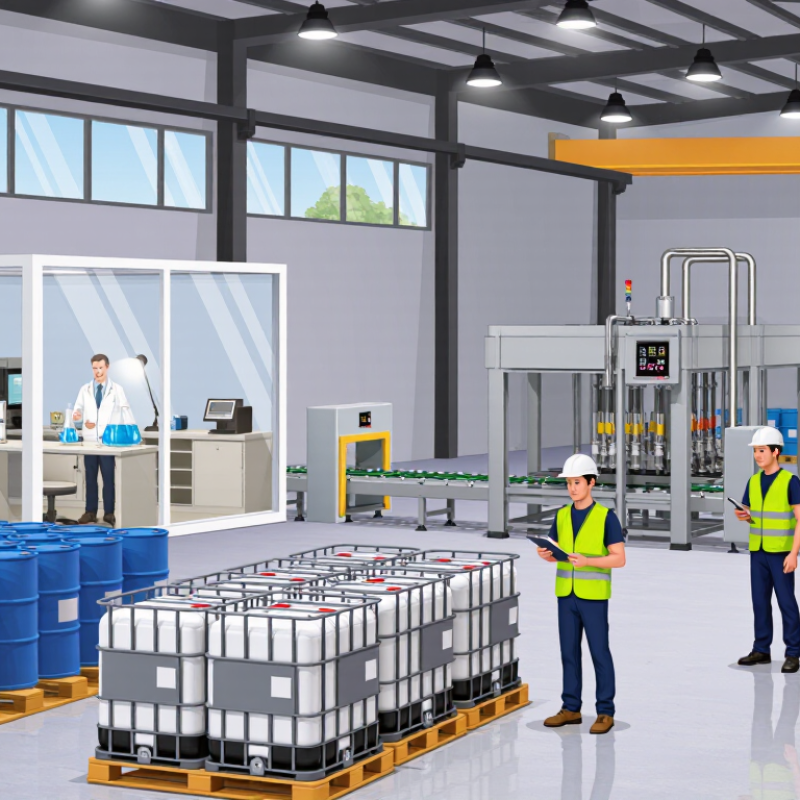
Hydrocarbon solvents are liquid mixtures derived from petroleum refining. They dissolve oils, resins, waxes, and other nonpolar materials. The main families include aliphatic, aromatic, cycloparaffinic, and dearomatized solvents. Their performance depends on boiling range, evaporation rate, aromatic content, and solvency power.
The market is expanding steadily.
MarketsandMarkets estimated the global hydrocarbon solvents market at about USD 6.1 billion in 2023, with continued growth through 2028. Coatings, adhesives, printing inks, metal cleaning, and rubber processing remain major users. In a factory, one grade may dry quickly on a painted panel. Another may leave a smoother film inside an adhesive mixer. Small formulation differences matter.
Global buyers should compare
flash point, distillation range, sulfur level, odor, and residual aromatics. A current safety data sheet and certificate of analysis are essential. Supplier audits should also check batch consistency, sealed drums, and transport controls.
The European Chemicals Agency emphasizes exposure assessment and proper classification for hazardous chemical mixtures. Yet solvent selection is not always clean-cut. A lower-aromatic grade can improve workplace comfort, but it may reduce resin solvency. Pilot testing remains necessary. Mistakes happen when buyers rely only on price.
Key Criteria for Evaluating Global Hydrocarbon Solvent Suppliers
Global buyers should evaluate hydrocarbon solvent suppliers beyond price and production capacity. A reliable supplier provides a clear technical data sheet, safety data sheet, and batch-specific certificate of analysis. Check boiling range, aromatic content, sulfur level, density, color, and flash point. These details affect cleaning performance, drying speed, worker handling, and storage design.
Supplier experience becomes visible during technical discussions. Can the team explain test methods, packaging limits, and shelf-life conditions? During practical evaluations, buyers should request samples from different production batches. Compare odor, evaporation rate, residue, and performance on the actual substrate. A polished website proves little. Consistent results matter more. Short trials can reveal problems that laboratory promises hide.
Traceability is another serious criterion. Each drum or tank load should connect to a batch number, production date, and quality record. Buyers should also review factory audits, laboratory capabilities, transport controls, and applicable chemical regulations in the destination market. Independent testing may be useful when results appear unusually perfect. No checklist is perfect. A supplier may meet every written specification yet respond slowly when a shipment changes. Clear communication, realistic lead times, corrective-action records, and honest discussion of limitations often show stronger reliability than impressive claims.
Key Criteria for Evaluating Global Hydrocarbon Solvent Suppliers
For global buyers, supplier evaluation should prioritize regulatory documentation, batch consistency, delivery reliability, technical support, and responsible handling of hydrocarbon solvents.
Illustrative procurement weighting based on commonly used chemical-sourcing criteria: compliance and safety documentation are assessed alongside product consistency, logistics performance, technical support, and sustainability practices.
China’s Leading Hydrocarbon Solvent Supplier Categories and Capabilities
China’s hydrocarbon solvent suppliers generally serve global buyers through four categories: aliphatic solvents, aromatic solvents, dearomatized grades, and customized blends. Each category supports different applications, including coatings, adhesives, cleaning, printing, and metal treatment.
Experienced suppliers should explain boiling range, flash point, aromatic content, sulfur level, and evaporation behavior. Strong production capabilities include controlled distillation, batch traceability, laboratory testing, and stable bulk output. Reliable exporters also provide current SDS documents, technical data sheets, sample support, and packaging suited to drums, IBCs, or tank containers. In practice, consistency matters more than a low first quotation. A small change in distillation can affect drying speed or surface finish. Specifications may look clear, yet actual performance can still vary between batches. That deserves verification.
Tips: Request a representative sample and compare it under real process conditions. Check test methods, not only reported values. Ask about production capacity during peak seasons. Confirm transport classification, labeling, documentation, and destination-country requirements before ordering. Keep a retained sample for later comparison. This simple habit often exposes differences that a certificate misses. Also, discuss customization carefully; a cheaper blend may create odor, drying, or compatibility problems. Supplier claims should be reviewed against independent test results whenever possible.
How Global Buyers Can Select the Right Chinese Supplier
Selecting a Chinese hydrocarbon solvent supplier requires more than comparing FOB prices. A 2024 market assessment valued the global hydrocarbon solvents market at about USD 5.8 billion, with steady growth expected through 2030. This growth attracts new producers. Some look convincing online.
Global buyers should verify production evidence, not only certificates. Request recent COAs, SDS files, batch numbers, and traceability records. A serious supplier should explain flash point, distillation range, aromatic content, and impurity limits clearly. Ask for a sample from the same production line used for regular orders. Independent laboratory testing can confirm key specifications before shipment. It costs money. It can prevent larger losses.
Compliance screening must match the destination market. Review GHS labels, transport classifications, restricted-substance statements, and applicable chemical registration duties. The OECD’s chemical safety work emphasizes reliable hazard data and lifecycle management. Meanwhile, ISO 9001 certification can support process control, but it does not prove product quality by itself. That distinction matters. Buyers should also audit storage areas, drum sealing, fire controls, and complaint-response procedures. China Customs trade data shows the country remains a major chemical exporter, yet export volume alone cannot measure supplier reliability. A small trial order, clear tolerance limits, and written change-notification rules provide stronger protection. My practical concern is simple: even a good supplier may have uneven documentation between batches. Keep checking.