Top 10 Essential Chemical Products for Everyday Use?
In our daily lives, chemical products play a crucial role. They are not just scientific substances; they are essential for various everyday tasks. According to a report by the American Chemistry Council, the global chemical industry generates over $5 trillion annually. These products enhance our quality of life, impacting health, hygiene, and productivity.
From household cleaners to personal care items, chemical products are everywhere. For instance, more than 75% of U.S. households use cleaning agents that rely on chemical formulations. This shows their prevalence in our homes. However, this dependency raises questions about safety and environmental impact.
While many products serve a practical purpose, some chemicals can pose risks if misused. The Environmental Protection Agency reports that improper use of cleaning chemicals can lead to health hazards. It’s essential for consumers to reflect on how they use these chemical products in their daily routines. Striking a balance between utility and safety is vital for informed choices.
Essential Cleaning Agents for Home Use
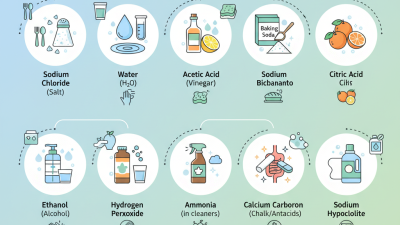
Cleaning your home can sometimes feel overwhelming. However, the right cleaning agents simplify the process. You need a few essential products to keep your space fresh. Vinegar is a natural disinfectant. It cuts through grease and removes odors. Baking soda is superb for scrubbing surfaces. It also absorbs unpleasant smells.
For more stubborn stains, hydrogen peroxide works wonders. It’s great for sanitizing and whitening surfaces. Castile soap is another versatile option. It’s biodegradable and can clean a variety of surfaces. However, be mindful of how much you use. Too much soap can leave residue.
Lastly, don’t overlook the power of essential oils. They add a pleasant scent and provide some antimicrobial properties. However, use these oils with caution. Some people may be allergic. It’s crucial to experiment and find the right combination for your cleaning routine. Balancing natural options with effective cleaning is possible, yet challenging.
Common Personal Care Chemicals and Their Functions
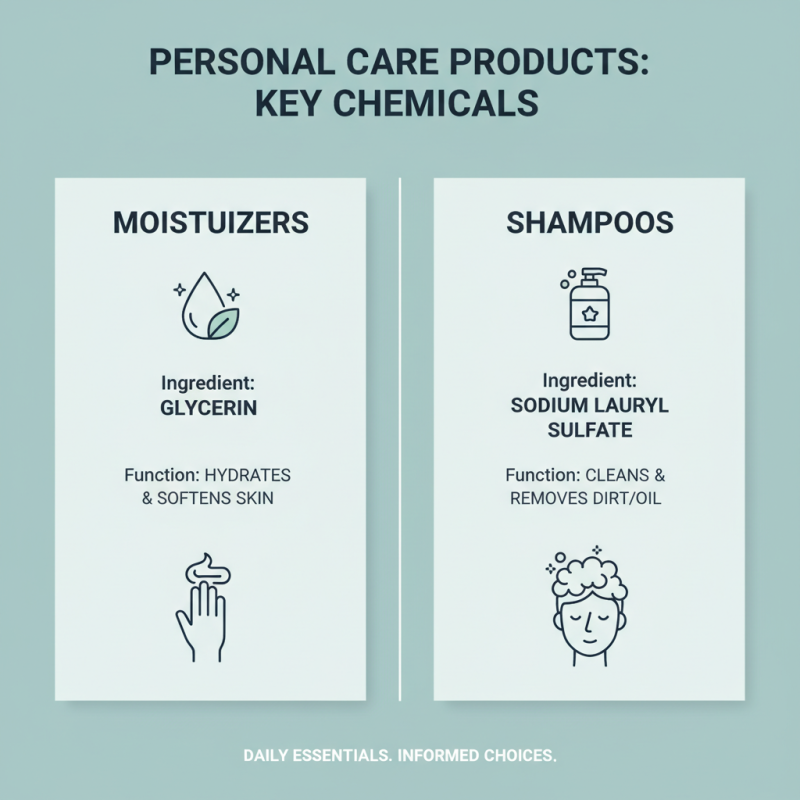
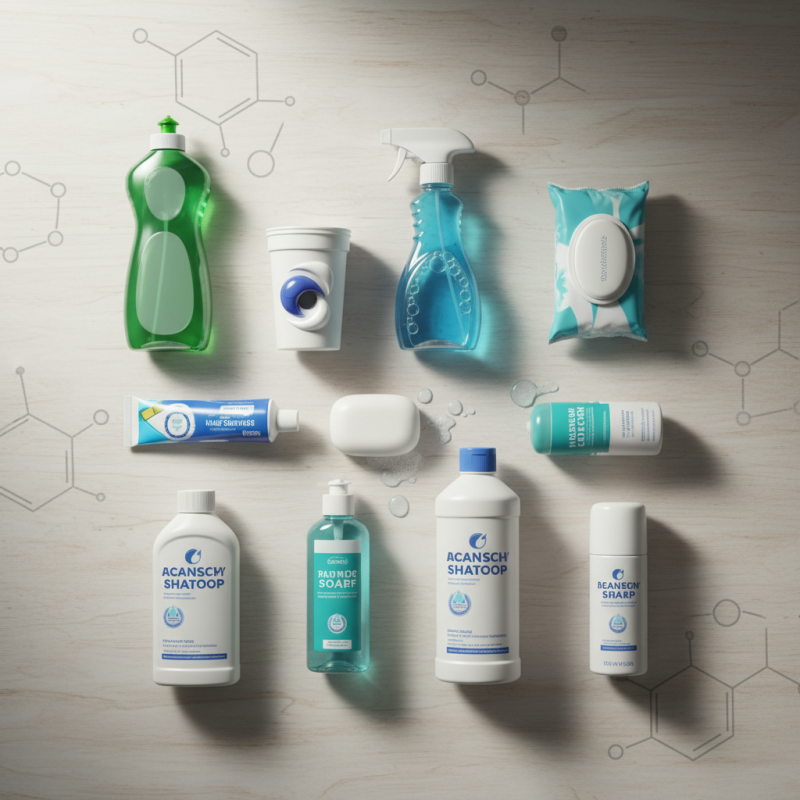
Personal care products are a crucial part of our daily lives. They often contain various chemicals that serve specific functions. For instance, moisturizers typically include glycerin. This ingredient helps keep skin hydrated and soft. Another common chemical is sodium lauryl sulfate, found in many shampoos. It serves as a cleaning agent, helping to remove dirt and oil.
Many of us rely on these products without realizing the complex chemistry behind them. Fragrances, such as limonene, add pleasant scents to soaps and lotions. However, they can also cause allergic reactions in some individuals. Preservatives like parabens help prevent bacterial growth but may pose health concerns. It's essential to be aware of what we're applying to our skin daily.
Consider the role of alcohol in many personal care items. While it can assist in drying out greasy skin, it may also lead to dryness and irritation. Reflect on how these chemicals affect your skin’s health and overall well-being. Awareness of the ingredients in personal care products can lead to better choices for our needs.
Everyday Food Preservatives and Their Importance
Preserving food is crucial for maintaining its quality and safety. Chemical preservatives play a vital role in this process. They help prevent spoilage caused by bacteria, molds, and yeasts. For instance, some common preservatives include citric acid and sodium benzoate. These compounds extend shelf life and ensure our food remains safe to consume.
However, some concerns arise regarding the use of these chemicals. Not all preservatives are equally safe for everyone. Certain individuals may experience allergic reactions or sensitivities. This is where clear labeling becomes important. Transparency helps consumers make informed choices about what they eat.
In our daily lives, many people overlook the importance of food preservatives. Often, we focus on fresh food, neglecting how preservatives can reduce waste. It’s a dilemma; we want natural foods but may need preservatives for practicality. Balancing health consciousness with the necessity of preservation is a challenge we all face.
Household Chemicals for Pest Control and Maintenance
When it comes to household maintenance, pest control is often overlooked. Many people rely on natural solutions, but sometimes, a little extra help is needed. Various household chemicals can effectively target unwanted pests like ants, cockroaches, and rodents. Understanding how these products work is essential for their proper use.
Boric acid is a popular choice for controlling cockroaches. It interferes with their digestive system. However, care is needed in application. Misplaced powder can pose a risk to pets or children. Maintaining a clean home environment can boost its effectiveness. Simple actions like sealing food and cleaning spills can reduce pest attraction.
For ants, a sugar-water solution mixed with borax can attract and eliminate them. While this mixture is less toxic, it can still be a hazard if ingested. It’s vital to keep chemicals out of reach. Another common household product is vinegar, useful for repelling insects. However, its effectiveness can vary. Being methodical about application heightens success. Frequent inspections can also catch infestations early, allowing for timely intervention.
Top 10 Essential Chemical Products for Everyday Use
Sustainable Alternatives to Traditional Chemical Products
The push for sustainability in our everyday lives is on the rise. Many household products contain harmful chemicals. These substances contribute to environmental degradation and health issues. A report by the Environmental Protection Agency states that about 7.2 billion pounds of hazardous waste were generated in 2020. This figure highlights the urgent need for change.
Sustainable alternatives are gaining traction. Eco-friendly cleaning products often use plant-based ingredients. Reports indicate that the market for green cleaning products reached $3.4 billion in 2021 and is expected to grow. Ingredients like vinegar, baking soda, and essential oils can replace toxic chemicals effectively. For personal care, products with natural preservatives are becoming popular. They are less likely to irritate the skin and reduce the chemical load on the environment.
Yet, challenges remain. Availability of these products can be limited in certain areas. Pricing is sometimes higher than traditional options, making them less accessible. Education about the benefits of sustainable choices is also necessary. Many consumers are unaware of the impact of their purchases. Transitioning to sustainable alternatives requires effort and commitment. It's an ongoing process that demands both consumer participation and industry innovation.
Top 10 Essential Chemical Products for Everyday Use? - Sustainable Alternatives to Traditional Chemical Products
| Product |
Traditional Chemical |
Sustainable Alternative |
Benefits |
| All-Purpose Cleaner |
Chemical-Heavy Cleaner |
Vinegar and Baking Soda |
Non-toxic, biodegradable |
| Laundry Detergent |
Phosphate Detergents |
Soap Nuts |
Eco-friendly, reduces chemical runoff |
| Dish Soap |
Sulfate-based Soap |
Castile Soap |
Plant-based ingredients, safe for skin |
| Window Cleaner |
Ammonia-based Cleaner |
Lemon Juice and Water |
Natural cleaner, pleasant scent |
| Fabric Freshener |
Synthetic Fresheners |
Essential Oils and Water |
Natural fragrances, non-toxic |
| Bathroom Cleaner |
Bleach Cleaner |
Baking Soda and Vinegar |
Non-toxic, effective against mold |
| Floor Cleaner |
Chemical Floor Cleaners |
Mop with Water and Vinegar |
Safe for pets, biodegradable |
| Air Freshener |
Aerosol Sprays |
Diffuser with Essential Oils |
Natural scents, safer for indoor air |
| Toilet Bowl Cleaner |
Chemical Bowl Cleaners |
Baking Soda and Vinegar |
Environmentally friendly, effective |
| Dishwasher Detergent |
Chemical Detergents |
Homemade Powder with Soda |
Cost-effective, safe for septic systems |