Top 10 Industrial Chemical Packaging Solutions for Your Business Needs
In the rapidly evolving landscape of the chemical industry, the importance of effective industrial chemical packaging cannot be understated. According to a report by MarketsandMarkets, the global industrial packaging market is projected to reach USD 75 billion by 2026, growing at a CAGR of 4.7%. This growth is driven by the increasing demand for safety, efficiency, and sustainability in shipping and handling hazardous materials. As businesses seek to streamline their operations, selecting the right packaging solutions becomes crucial not only for compliance with stringent regulations but also for optimizing costs and enhancing product protection.
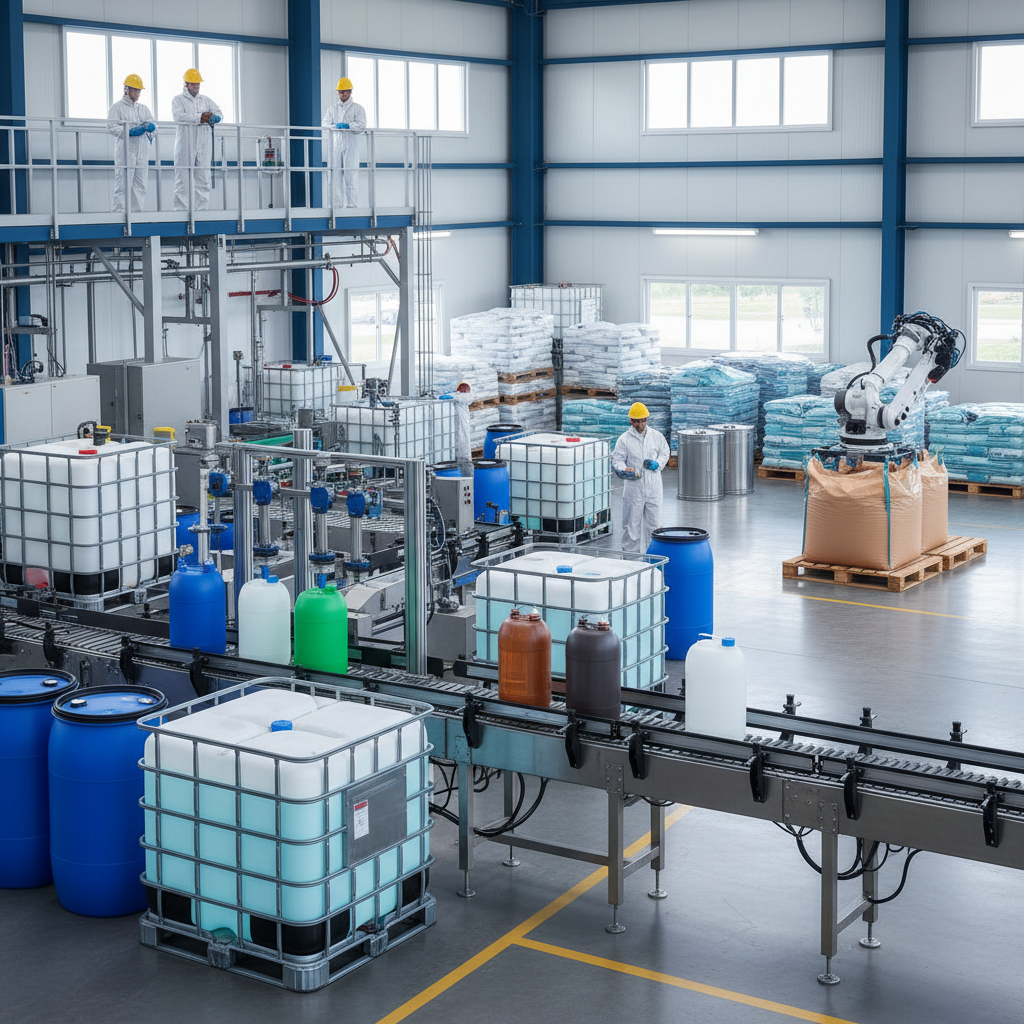
As diverse sectors such as pharmaceuticals, agriculture, and manufacturing rely on a range of industrial chemicals, the packaging solutions tailored to these needs vary significantly. A recent study by Smithers Pira emphasizes that sustainable packaging options, such as biodegradable materials and returnable containers, are gaining traction, reinforcing the industry's shift towards more environmentally friendly practices. This heightened focus on innovation and sustainability is essential for businesses aiming to meet both consumer demands and regulatory requirements.
In this context, understanding the top industrial chemical packaging solutions available becomes vital for companies looking to safeguard their products and ensure efficient supply chain management. This article explores the top 10 packaging solutions that can help businesses navigate the complexities of industrial chemical handling and distribution, paving the way for improved operational resilience and sustainability in an increasingly competitive market.
Innovative Packaging Materials for Industrial Chemicals
In today's rapidly evolving packaging landscape, innovative materials are redefining how industrial chemicals are stored and transported. Among the latest developments, water-soluble films are gaining traction as a sustainable alternative for dissolvable packaging solutions. These films offer the dual benefit of enhanced product safety and reduced environmental impact by dissolving in water without leaving harmful residues. As industries seek to meet stringent sustainability goals, the demand for such eco-friendly packaging solutions is expected to soar.
Furthermore, the industrial chemical packaging market is poised for significant growth, driven by an increasing emphasis on automation and active packaging techniques. These innovations not only enhance the preservation of chemical products but also align with the rising consumer preference for reusable and recyclable materials. With market projections indicating a surge in value over the next decade, businesses are urged to invest in adaptable packaging solutions that meet both regulatory standards and consumer expectations, thereby positioning themselves as leaders in the circular economy.
Environmental Considerations in Chemical Packaging Solutions
When selecting chemical packaging solutions, environmental considerations should be at the forefront of your decision-making process. The packaging industry has made significant strides in developing sustainable materials that minimize ecological impact while still meeting the stringent requirements of chemical containment. Opting for biodegradable or recyclable packaging not only reduces landfill waste but also enhances your company’s sustainability profile. Moreover, using materials that are non-toxic and safe for the environment can help comply with increasing regulations aimed at reducing pollution.
Tips: Always check for environmentally certified packaging options that adhere to sustainability standards like FSC or Cradle to Cradle certification. Collaborate with suppliers who prioritize eco-friendly practices and can provide insight into the life cycle of the materials used in their packaging.
Additionally, consider the transportation and storage aspects of your packaging choices. Lightweight and compact designs can reduce carbon emissions during shipping, while durable materials can help minimize spills and leaks, protecting both the environment and your operations. Ultimately, integrating environmental considerations into your chemical packaging strategies can lead to long-term cost savings and bolster your brand's reputation in a market that increasingly values sustainability.
Tips: Analyze your entire supply chain to identify opportunities for reducing environmental impact. Regularly review and update your sustainability goals to adapt to new technologies and practices in the industry.
Top 10 Industrial Chemical Packaging Solutions
Essential Features of Durable Chemical Packaging
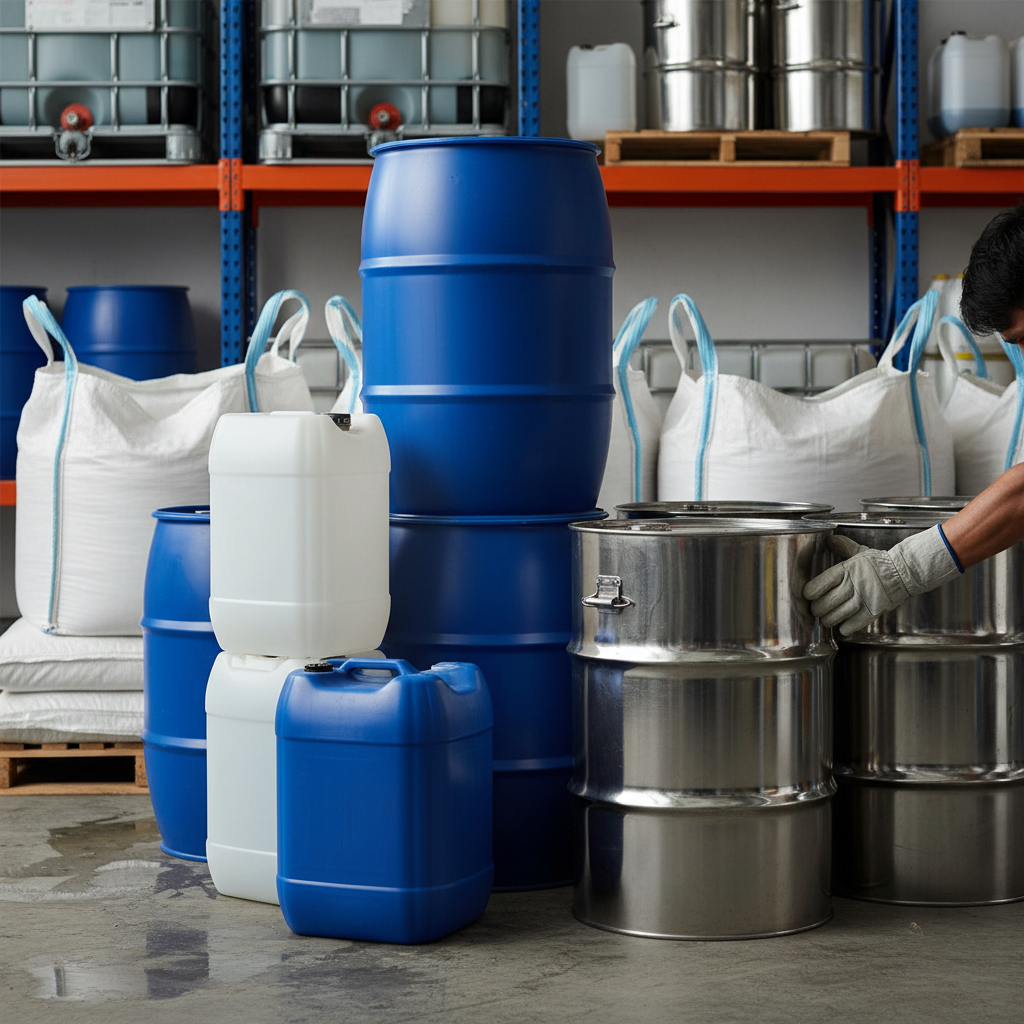
When selecting chemical packaging solutions, durability is a primary concern that directly impacts safety and efficiency. Essential features of durable chemical packaging include robust materials capable of withstanding harsh environmental conditions, such as extreme temperatures and corrosive substances. High-density polyethylene (HDPE) and metal containers are popular choices, offering resistance to chemical reactions and mechanical stress, ensuring the integrity of the product throughout its lifecycle.
Moreover, functionality is equally important in durable chemical packaging. Proper sealing mechanisms are crucial to prevent leaks and spills, which can pose significant environmental hazards. Advanced designs, such as tamper-proof seals and child-resistant caps, enhance safety while facilitating ease of use. Additionally, packaging that allows for simple handling and transportation, such as ergonomic handles or stackable designs, contributes to operational efficiency, making it easier for businesses to manage their inventory effectively. Investing in high-quality, durable chemical packaging is essential for any business that prioritizes safety and reliability in its operations.
Comparative Analysis of Packaging Methods for Industrial Chemicals
When considering the packaging methods for industrial chemicals, the choice of material plays a significant role in ensuring safety, compliance, and efficiency.
The packaging market can be segmented by material types such as plastic, paper and paperboard, metal, glass, and wood. Each of these materials offers distinct advantages; for instance, plastic is lightweight and resistant to corrosion, while metal packaging is ideal for high-pressure applications.
Paper and paperboard are often selected for their sustainability benefits, aligning with the growing shift towards eco-friendly practices in industrial operations.
Additionally, different product types within the packaging spectrum cater to specific chemical properties and required handling processes.
Rigid packaging solutions, which include containers, drums, and tanks, are commonly utilized for bulk chemicals, while flexible packages are preferred for smaller quantities.
The ongoing trends in material innovation, particularly in the context of sustainability and technological advancements, serve as critical factors that companies must consider.
Emphasizing the right packaging solution not only assures the integrity of the chemicals but also enhances operational efficiency and environmental responsibility within the industry.
Selecting the Right Packaging for Different Chemical Properties
When selecting the right packaging for industrial chemicals, it is crucial to consider the unique properties of each chemical to ensure safety and compliance. Different chemical families exhibit various behaviors and interactions with packaging materials. For instance, volatile solvents may require packaging that minimizes evaporation and exposure to air, while corrosive substances necessitate highly resistant materials to prevent degradation of the container.
Understanding the physico-chemical properties of the chemicals being packaged can facilitate the selection of appropriate materials. Options such as organic or inorganic coatings, barrier films, and specialized sealants can enhance the overall effectiveness of the packaging. For instance, antimicrobial properties in packaging are being explored to improve safety in food applications by preventing contamination, showcasing the importance of aligning packaging characteristics with the intended use of the chemical products. By prioritizing these factors, businesses can enhance product integrity and maintain compliance with regulatory standards.
Top 10 Industrial Chemical Packaging Solutions for Your Business Needs
| Packaging Type |
Material |
Ideal for |
Compatible Chemicals |
Eco-friendly Options |
| Drum |
Steel / Plastic |
Bulk Liquids |
Oils, Paints, Chemicals |
Yes |
| Intermediate Bulk Container (IBC) |
Plastic / Steel |
Bulk Liquid Transport |
Chemicals, Fertilizers |
No |
| Bottle |
Glass / Plastic |
Small Volume Liquids |
Solvents, Acid Solutions |
Yes |
| Bag |
Polyethylene |
Powders / Granules |
Chemicals, Fertilizers |
Yes |
| Pallet |
Wood / Plastic |
Transport & Storage |
Any Bulk Chemicals |
No |
| Silo |
Steel / Concrete |
Bulk Storage |
Granular Chemicals |
No |
| Can |
Metal |
Aerosols |
Sprays, Particulate Chemicals |
Yes |
| Carton |
Cardboard |
Secondary Packaging |
Granules, Capsules |
Yes |
| Drum Lid |
Plastic / Metal |
Sealing |
Used with Drums |
No |
| Flexible Tank |
PVC / Polyurethane |
Temporary Storage |
Chemicals, Water |
Yes |