Why Choose Photographic Gelatin for Global Sourcing?
Why Choose Photographic gelatin for Global Sourcing?
Photographic Gelatin remains a specialized material for film, paper, and selected imaging applications. Its controlled purity supports smooth coating, stable emulsion behavior, and reliable silver-halide dispersion. Small variations can matter. A slight change in viscosity may affect coating thickness, drying, or image consistency.
Grand View Research estimates that the global gelatin market was valued at approximately USD 4.8 billion in 2023. Its report also projects continued growth through 2030, supported by pharmaceutical, food, and technical applications. Photographic demand is smaller, but its quality requirements are stricter. Meanwhile, the European Photographic Materials Association highlights traceability, chemical consistency, and process control as important factors for imaging-material suppliers.
Dr. T. H. James, a leading photographic-process scientist, wrote that gelatin is “the most important vehicle for photographic silver halide grains.” This statement explains why sourcing decisions cannot depend on price alone. A qualified supplier should provide bloom strength, viscosity, ash content, microbial controls, batch records, and storage guidance. These details become tangible during production: clean-coated emulsion, fewer surface defects, and more predictable drying.
Global sourcing can widen supplier access and improve continuity during regional disruptions. It can also expose buyers to inconsistent specifications, unclear origin records, and longer qualification cycles. No model is perfect. A cheaper offer may create expensive retesting later. Buyers should compare technical data, audit evidence, sample performance, and logistics resilience before approval. Photographic Gelatin deserves that level of discipline.
Photographic Gelatin Defined: 50–300 Bloom Strength for Emulsion Control
Why Choose Photographic Gelatin for Global Sourcing?
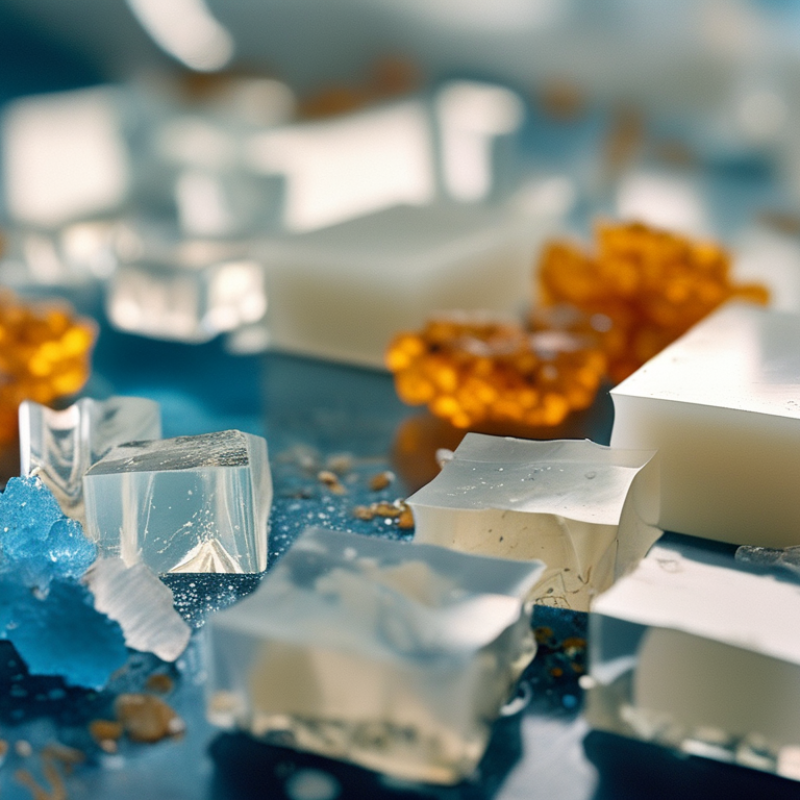
Photographic gelatin is a purified protein used to control light-sensitive emulsion layers. Its Bloom strength commonly ranges from 50 to 300. This range matters. Lower Bloom gelatin can form softer, more flexible layers. Higher Bloom grades create stronger films with better structural support. In practical emulsion work, the choice affects coating behavior, drying, swelling, and processing stability.
Bloom strength is not the whole specification. Experienced buyers also review viscosity, gelation temperature, ash content, pH, clarity, and microbiological results. A 200 Bloom material may perform differently from another 200 Bloom material. Raw material history, extraction conditions, and refining methods can change the final behavior. Small differences may appear as uneven coating or inconsistent image quality. Testing remains essential.
Global sourcing requires more than comparing prices. Ask for current certificates, batch records, and representative samples. Check whether the supplier can maintain stable specifications across seasons and shipments. Packaging should protect the gelatin from moisture, heat, and odor absorption. Store samples under controlled conditions before approval. That step is easy to skip. It should not be. A careful trial can reveal unexpected viscosity changes or slower dissolution. Photographic gelatin becomes a dependable sourcing choice when measured performance supports the stated Bloom range.
How Gelatin Stabilizes Silver-Halide Crystals in Coatings Under 20 μm
Photographic gelatin is more than a binder in silver-halide coatings. It forms a protective, hydrated matrix around each crystal. That matrix helps limit crystal contact during mixing, coating, and drying. The balance is delicate. In a coating below 20 micrometers, minor viscosity changes can create streaks, pinholes, or uneven sensitivity.
During formulation trials, technicians usually monitor bloom strength, molecular weight distribution, pH, ash content, and ionic impurities. These properties influence gelatin swelling and the movement of water through the layer. Gelatin also supports controlled diffusion of sensitizing chemicals around the crystals. If the network is too weak, particles may aggregate. If it is too dense, coating flow and processing performance may suffer.
Sourcing requires more than reading a standard specification sheet. Lot-to-lot consistency matters, especially when coating equipment runs at high speed. A practical evaluation should include viscosity testing, gel strength measurement, filtration behavior, and a small pilot coating. Microscopic inspection can reveal crystal clustering that routine laboratory numbers miss. I have found that apparently acceptable gelatin can behave differently after storage or pH adjustment. That result deserves investigation, not excuses. Temperature history, moisture content, and packaging conditions should remain traceable from the supplier to the coating room.
Quality Standards: JECFA, FCC, and Photographic-Grade Purity Requirements
Why Choose Photographic Gelatin for Global Sourcing?
Photographic gelatin needs more than a clean appearance. Its purity can influence coating uniformity, emulsion stability, and image detail. JECFA identifies gelatin’s acceptable daily intake as “not specified” under good manufacturing practice, according to the FAO/WHO JECFA database. This supports its established safety profile, but it does not replace incoming inspection. Food Chemicals Codex requirements also emphasize identity, purity, loss on drying, ash, and microbial controls.
Photographic-grade material requires tighter functional checks. Buyers should request viscosity, gel strength, pH, ash, iron, copper, calcium, and chloride results for each lot. Small metal residues may affect sensitive silver-based emulsions. ISO photographic standards also encourage controlled testing, traceability, and stable processing conditions. A supplier’s certificate should match an independent laboratory result, not merely repeat a template. That difference matters.
Global sourcing adds another layer. Warehouses need controlled temperature and humidity, with sealed packaging that prevents moisture uptake and odor absorption. A practical audit should compare three consecutive batches, not one impressive sample. One weakness remains: public specifications rarely describe every photographic performance factor. Therefore, pilot coating tests are still necessary. Compliance proves suitability, but performance proves reliability.
Supplier Evaluation: COA Testing, pH Control, Microbial Limits, and Consistency
Why Choose Photographic Gelatin for Global Sourcing?
Photographic gelatin requires more than a low quoted price. Its purity, bloom strength, and processing behavior can affect coating quality and image stability. Experienced buyers should request a current Certificate of Analysis for every production lot. The COA should show gelatin strength, viscosity, moisture, ash, and particle size. Results must match agreed specifications, not vague internal targets. Independent laboratory testing can verify critical values when shipment risk is high. Still, one test cannot prove long-term consistency.
Tips: Compare three recent COAs, not one. Check testing dates, methods, and sample identification. Ask whether samples represent the shipped batch. Keep sealed reference samples for later comparison. Small details matter.
pH control deserves close attention because it influences emulsion performance and coating behavior. Suppliers should explain their adjustment process and acceptable pH range. A narrow range is useful, but it must fit the buyer’s formulation. Microbial limits also need clear numbers for total counts, yeast, mold, and specified pathogens. Testing frequency matters. A supplier with clean paperwork may still have weak production controls. I have seen specifications look excellent until storage conditions changed. That is a reminder to assess packaging, transport exposure, and warehouse records. Consistency is not perfection. It is predictable performance across lots. Ask for trial samples, repeat orders, and documented corrective actions when results drift.
Why Choose Photographic Gelatin for Global Sourcing?
Supplier Evaluation: COA Testing, pH Control, Microbial Limits, and Consistency
This neutral 100-point sourcing framework prioritizes verified COA testing, controlled pH, microbial safety, and lot-to-lot consistency. These factors help buyers compare photographic gelatin suppliers using measurable quality controls rather than company reputation or brand name alone.