2026 How to Choose the Best Chemical Blending Equipment?
Choosing the right chemical blending equipment can significantly impact your production quality. The right equipment ensures consistency and efficiency in mixing chemicals. It is essential to consider factors like capacity, materials, and maintenance when selecting blending machines.
In today's market, various types of chemical blending equipment are available. Each type has unique features and advantages. However, not all equipment is suitable for every application. Assessing your specific blending needs is key. You may find that some options are too costly or complex for your processes.
As industries evolve, so do the requirements for chemical blending. New technologies emerge regularly, making it harder to choose the right equipment. It’s important to stay informed about trends and advancements in the field. This knowledge allows you to make better decisions about your blending needs. Take the time to evaluate different options; this could prevent costly mistakes in the future.
Understanding the Basics of Chemical Blending Equipment
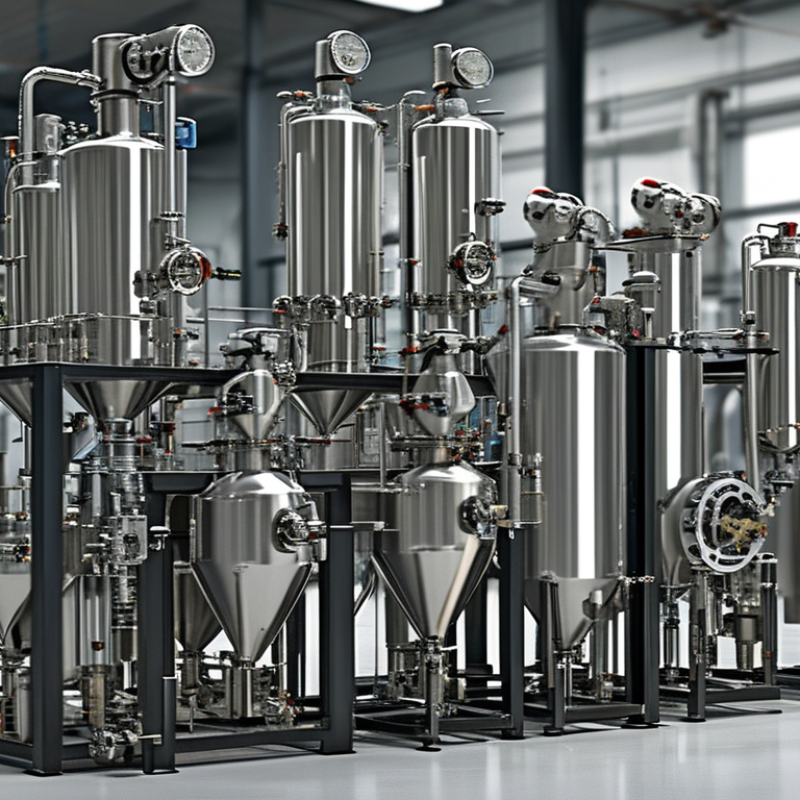
Chemical blending equipment plays a critical role in the manufacturing processes across various industries. It is vital to understand the fundamental aspects that influence the effectiveness of this equipment. According to a report by Grand View Research, the global market for chemical blending equipment is expected to reach $7.25 billion by 2025. This underscores the importance of selecting appropriate blending equipment to foster productivity and maintain quality.
When choosing blending equipment, factors such as capacity, material compatibility, and mixing speed should be considered. For example, different chemicals require specific materials for the equipment to prevent contamination and corrosion. A study from MarketsandMarkets highlights that over 40% of blending-related issues stem from inadequate equipment specifications. This statistic emphasizes the necessity of aligning equipment features with the chemical properties involved.
Moreover, understanding the blending process itself is essential. Various methods, such as batch blending or continuous blending, impact the final product's consistency. Each method has its pros and cons, where batch blending can be more flexible but time-consuming, while continuous blending offers efficiency. It is crucial to reflect on the specific needs of your operation to choose the most suitable method.
Key Factors to Consider When Selecting Chemical Blending Equipment
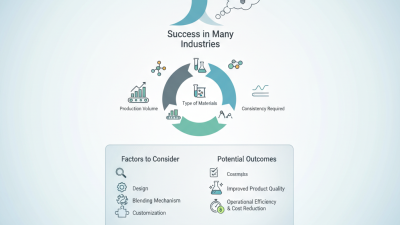
Choosing the best chemical blending equipment requires careful consideration of multiple factors. The right equipment optimizes production efficiency and ensures product quality. A critical element to assess is the blending capacity. According to industry reports, equipment that meets specific production needs can lower operational costs by up to 25%. Oversizing or undersizing blending equipment affects both efficiency and the final product.
Another important factor is the type of materials being processed. Different chemicals react differently under various blending conditions. Understanding the properties of the chemicals can prevent issues like separations or degradation during mixing. As detailed in regulatory guidelines, proper material compatibility ensures safety and effectiveness in production.
Ultimately, the selection process should include a reflective evaluation of equipment features. Assess energy consumption, maintenance needs, and adaptability to change. Often, companies overlook how upgrading existing systems can yield substantial long-term benefits. Keeping these elements in mind leads to sound decision-making and optimal blending results. Look beyond immediate costs and think about future scalability.
2026 How to Choose the Best Chemical Blending Equipment? - Key Factors to Consider When Selecting Chemical Blending Equipment
| Factor |
Description |
Importance Level |
Typical Range |
| Capacity |
The amount of material that can be blended in one batch. |
High |
50 to 5000 liters |
| Material Compatibility |
Compatibility with various chemicals used in the blending process. |
High |
Varies by chemical type |
| Mixing Speed |
The speed at which the materials can be mixed effectively. |
Medium |
100 to 500 RPM |
| Energy Efficiency |
Power consumption during operation. |
Medium |
5 to 20 kWh |
| Maintenance Requirements |
Frequency and type of maintenance needed for optimal operation. |
High |
Monthly to yearly |
| Automation Level |
The degree of automation integrated into the blending process. |
Medium |
Manual to fully automated |
| Safety Features |
Safety mechanisms to protect operators and prevent chemical spills. |
High |
N/A |
Types of Chemical Blending Equipment and Their Applications
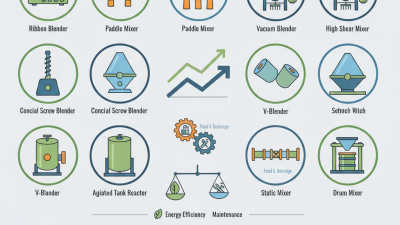
When selecting the right chemical blending equipment, understanding the different types available is crucial. There are several forms to consider, primarily batch blenders and continuous blenders.
Batch blenders are often used for smaller production runs, allowing for versatility and precision. In contrast, continuous blenders are ideal for larger volumes, offering efficiency and speed. Industry studies note that batch blending can improve formulation control by up to 30%, making it suitable for specialized applications.
Another category is high-shear mixers, which use mechanical force to blend components quickly.
These mixers are effective for creating emulsions and dispersions. They can achieve desired textures in products like cosmetics and food items, showcasing their versatility across various sectors. According to a market analysis, demand for high-shear mixers has risen by approximately 15% annually due to their efficiency in achieving desired product viscosities.
It’s also crucial to consider the materials of construction, especially when blending corrosive chemicals. Stainless steel is a common choice, offering durability and resistance. However, it can be cost-prohibitive. Alternatives such as plastic or coated equipment might be adequate for less aggressive chemicals, but may require more frequent replacements. Decisions like these reflect the balance between cost and reliability. Careful evaluation of these factors will lead to a more optimal blending solution.
Evaluating Manufacturer Reputation and Product Quality
When selecting chemical blending equipment, it’s crucial to assess manufacturer reputation and product quality. Industry reports indicate that around 70% of companies experience inefficiencies due to subpar blending equipment. This inefficiency can lead to higher operational costs and low product quality. Manufacturers with a strong reputation often prioritize rigorous testing and adhere to industry standards. They invest in quality assurance processes to ensure their equipment meets the demands of various applications.
A recent study found that 65% of buyers rely on user reviews when evaluating manufacturers. These reviews can provide insights into reliability and service support. It’s essential to analyze customer feedback and look for detailed accounts of equipment performance. Anecdotal evidence can be more revealing than flashy marketing claims. However, it’s important to remain critical of overly positive reviews that might be skewed. Manufacturers with a history of transparency and accountability tend to foster trust and can be a reliable choice.
Moreover, the choice of materials used in blending equipment directly impacts product quality. Research from industry insights suggests that choosing equipment made with high-grade materials can enhance durability and efficiency. It’s wise to scrutinize specifications and performance histories. Seeking advice from industry experts can provide valuable perspectives but be aware of potential biases. Understanding your specific blending needs and comparing multiple options ensures a well-informed decision.
Maintenance and Safety Considerations for Chemical Blending Equipment
When selecting chemical blending equipment, maintenance and safety are paramount. Proper upkeep ensures the longevity of your machinery. Regular inspections help identify wear and tear. A consistent maintenance schedule should include cleaning, lubrication, and checking for leaks. Neglecting these tasks can lead to equipment failure.
Ensuring the safety of your employees is crucial. Always provide proper training for operators. They need to understand the equipment’s mechanics and safety protocols. Keep safety gear, such as gloves and goggles, easily accessible. Assess the workspace regularly for potential hazards. This proactive approach minimizes risks.
Monitoring temperature and pressure is vital during blending processes. Equipment should be equipped with pressure relief valves to prevent overpressurization. Also, consider emergency shut-off features for quick responses. Regularly test these systems to confirm their functionality. Reflection on past incidents can lead to improvements in safety practices. Moisture can also be a risk factor—ensure that your equipment is stored in a dry environment.