China Top Chemical Solutions Suppliers for Global Buyers?
China has become a major source of chemical solutions for global buyers. Its suppliers serve water treatment, coatings, construction, agriculture, electronics, and manufacturing industries. However, choosing a supplier requires more than comparing prices or product catalogs.
Reliable sourcing begins with verified production capabilities. Buyers should review factory audits, ISO certifications, safety data sheets, and batch traceability records. They should also confirm whether products meet destination-market requirements, including GHS labeling and applicable chemical regulations. A supplier may offer an attractive quotation, yet weak documentation can create costly delays. Details matter.
Antoine Lavoisier, a foundational chemistry expert, stated, “Nothing is lost, nothing is created, everything is transformed.” This principle remains meaningful for modern chemical solutions. Responsible manufacturers transform raw materials into consistent products through controlled processes, testing, and technical support. The strongest Chinese suppliers usually provide clear specifications, laboratory reports, packaging options, and responsive communication. They also explain limitations instead of promising perfection.
Still, supplier selection is not effortless. Product quality can vary between batches, and English documentation may require careful review. Samples should be tested under real operating conditions before large orders begin. Buyers should examine lead times, minimum order quantities, storage requirements, and after-sales support. A factory visit can reveal more than a polished website.
This guide examines China’s leading chemical solutions suppliers for global buyers. It focuses on manufacturing experience, technical capability, compliance awareness, and export reliability. No ranking can replace independent due diligence. That is an important limitation. Yet a careful comparison can help buyers identify practical partners and reduce avoidable sourcing risks.
China’s Chemical Solutions Supplier Landscape
China Top Chemical Solutions Suppliers for Global Buyers?
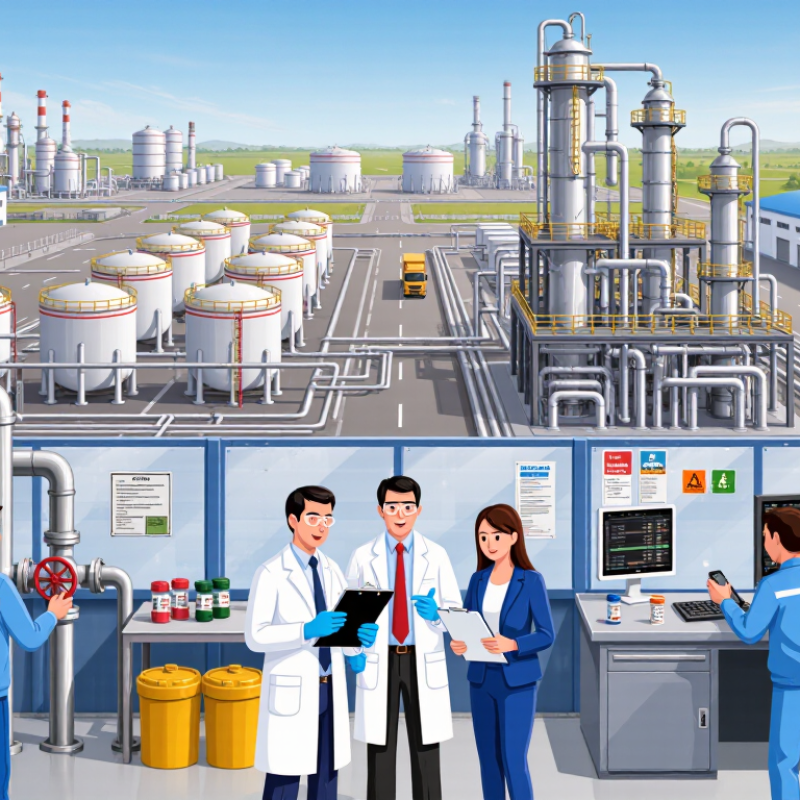
China’s chemical solutions supplier landscape is broad, specialized, and constantly changing. Suppliers serve coatings, water treatment, agriculture, electronics, construction, and manufacturing industries. Some focus on commodity materials, while others provide formulation support and small-batch development. Experienced buyers usually assess production capacity, technical documentation, and export history together. A competitive price means little if specifications change between batches. Request a current certificate of analysis, safety data sheet, and traceability record before approval. Factory audits can reveal storage conditions, laboratory controls, and packaging practices that brochures rarely show.
Tips: Compare at least three qualified suppliers. Check batch consistency, response time, and document accuracy. Ask for samples that match your intended process, not merely attractive laboratory results. Confirm labeling, transport classification, import rules, and destination-country requirements with qualified professionals. Clear written specifications prevent costly misunderstandings. Keep communication detailed.
Reliable cooperation also depends on technical fit. Discuss purity, moisture, particle size, shelf life, and acceptable variation early. A supplier should explain testing methods instead of offering vague guarantees. Video inspections can help, but an independent audit provides stronger evidence. Buyers should also examine backup production plans and raw-material controls. This part is often overlooked. I have found that fast replies do not always indicate strong quality management. Some suppliers need better English documentation, and buyers may need to explain local standards more carefully. That shared responsibility can improve results. Start with a controlled order, evaluate the material in real production, and expand only after performance is verified.
Key Product Categories and Industry Applications
China Top Chemical Solutions Suppliers for Global Buyers?
Key Product Categories and Industry Applications
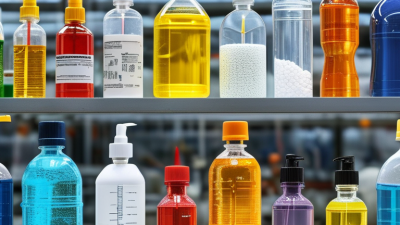
Global buyers often source chemical solutions from China because production capacity covers many industrial needs. Key categories include solvents, acids, alkalis, polymers, plasticizers, pigments, adhesives, and water-treatment chemicals. Each category requires different controls. Specifications matter.
Solvents support coatings, inks, cleaning systems, and electronics manufacturing. Polymers appear in packaging films, pipes, insulation, and automotive components. Pigments serve paints, construction materials, and synthetic fibers. Water-treatment chemicals help control hardness, corrosion, and suspended solids in industrial systems. A supplier’s technical team should explain concentration, purity, packaging, storage temperature, and compatibility with existing processes. Small errors spread.
Reliable purchasing depends on evidence, not attractive quotations alone. Buyers should request current certificates of analysis, safety data sheets, batch traceability, and clear export documentation. Factory audits can verify mixing equipment, laboratory testing, emergency controls, and production consistency. Compliance requirements may differ by destination, so suppliers need to support applicable chemical registration, labeling, and transport rules. In practice, samples may perform well while later batches vary slightly. That risk deserves a written quality agreement and defined acceptance limits. I would also check moisture exposure during container loading, especially for powders and hygroscopic materials. This detail is easy to miss. It can affect performance, shelf life, and customer complaints. Reliable suppliers communicate changes before shipment, although not every supplier handles that responsibility equally well.
Supplier Qualification, Certifications, and Compliance
China Top Chemical Solutions Suppliers for Global Buyers?
Supplier Qualification, Certifications, and Compliance
A reliable supplier review begins with traceable company information. Verify the legal entity, production address, export history, and actual manufacturing capacity. A trading office may not control quality at the factory. Ask for recent production records, inspection reports, and sample batch documentation. Check the dates. Expired documents create avoidable risk.
Certifications should match the product and destination market. Common references include ISO 9001 for quality management and ISO 14001 for environmental systems. Request certificates from recognized bodies, then confirm their validity independently. Review the Safety Data Sheet, technical data sheet, hazard labels, and batch analysis. Documents should show consistent product names, specifications, and responsible contacts. Small differences matter.
Compliance requires more than collecting certificates. Suppliers should explain how they manage restricted substances, worker safety, waste handling, packaging, and transport documentation. Requirements can differ between countries, even for similar materials. Ask for written change-control procedures before approving a supplier. A formulation, raw material, or production site may change without obvious notice. This is where many reviews become too optimistic. A polished audit file cannot replace factory visits, independent testing, or clear communication. Build a risk-based review, record every decision, and reassess suppliers when regulations or product specifications change.
Risk Management and Selection Criteria for Global Buyers
China Top Chemical Solutions Suppliers for Global Buyers?
Risk Management and Selection Criteria for Global Buyers
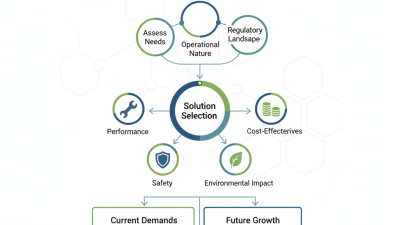
Selecting a chemical supplier requires more than comparing quoted prices. A reliable partner should provide clear specifications, recent certificates of analysis, safety data sheets, and batch traceability. Global buyers should verify factory addresses, production capacity, quality systems, and export experience. A video call is useful, but an independent site audit offers stronger evidence. Small details matter, such as consistent packaging labels and sealed containers.
Check regulatory readiness before placing a large order. Confirm that the material is permitted in the destination market and that required documents match the shipment. Review transport classifications, storage conditions, insurance coverage, and customs paperwork with qualified professionals. Request a representative sample and test it through an independent laboratory. Do not rely only on supplier-controlled results. Payment terms also deserve attention, especially when the supplier avoids written quality commitments.
Risk controls should continue after approval. Keep retained samples, inspect incoming drums, and record temperature or moisture issues during delivery. A second qualified source can reduce disruption, although maintaining two suppliers may increase costs. I have seen buyers focus heavily on low pricing and overlook delayed responses, vague complaint procedures, or changing specifications. That decision can appear reasonable at first. It may not survive a difficult shipment. Even experienced teams can miss warning signs when demand rises quickly. Reassess supplier performance through documented reviews, corrective actions, and transparent communication rather than optimistic assumptions.