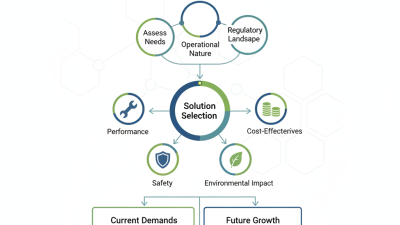
Why Do Global Buyers Choose Chemical Solutions?
Why do global buyers choose chemical solutions when suppliers offer similar products at different prices? The answer often begins with consistency. A production line depends on predictable viscosity, reliable concentration, and batches that behave as expected. A small variation can affect coating thickness, cleaning time, or the feel of a finished material. Details matter.
Buyers also weigh documentation and communication. Clear specifications, current safety data sheets, traceable batch records, and practical packaging help teams assess products before they reach a site. A sealed drum arriving on schedule may matter as much as a competitive quotation. So does a supplier who explains a change instead of hiding it in technical language. Chemist Antoine Lavoisier expressed a lasting principle: “Nothing is lost, nothing is created, everything is transformed.” His words describe chemical change, and they also invite careful thinking about inputs, processes, and outcomes.
For international purchasers, dependable chemical solutions can support quality control, smoother operations, and more informed sourcing decisions. Yet no supplier is right for every buyer. Transport conditions, local requirements, application needs, and service capacity can change the calculation. That is not always simple. A product that performs well in one facility may need testing in another, especially when equipment or water quality differs. Buyers therefore look beyond a catalog description: they compare evidence, ask specific questions, and check whether promised support is realistic. Price still matters, of course. But confidence is earned through repeatable performance, honest communication, and details that withstand scrutiny.

Global Market Scale: Cefic Puts 2023 Chemical Sales at About €5.0 Trillion
An industry association puts 2023 global chemical sales at about €5.0 trillion. This scale helps explain why buyers look beyond local supply. Chemical products support construction, agriculture, healthcare, packaging, electronics, and everyday manufacturing. Still, the headline figure does not measure any single supplier’s capacity or guarantee easy sourcing. Buyers need to check specifications, lead times, documentation, and supply continuity. Scale matters. Fit matters more.
Tips: Compare suppliers using the same grade, purity, packaging, and delivery terms. Request current technical data and a clear process for managing product changes. A low quoted price may exclude freight, storage, or testing costs. Keep a second qualified source where practical.
A market of this size can support wider choice and investment in production, logistics, and technical support. For buyers, that may mean more options across regions and applications. But global sales totals combine many products and price levels, hiding shortages or quality differences. The figure is useful, but it cannot replace careful trials. Even a small sample can reveal handling issues that a polished specification misses.
Why Do Global Buyers Choose Chemical Solutions? - Global Market Scale: Cefic Puts 2023 Chemical Sales at About €5.0 Trillion
| Market region |
Share of global chemical sales |
Estimated 2023 sales (€ billion) |
| China |
43% |
2,162 |
| European Union (EU-27) |
13% |
654 |
| United States |
10% |
503 |
| Japan |
4% |
201 |
| South Korea |
3% |
151 |
| India |
3% |
151 |
| Other markets |
24% |
1,207 |
| Global total |
100% |
5,027 |
Source: Cefic, Facts & Figures 2024. Regional shares are rounded; estimated sales are calculated from the reported shares and the global total, so figures may not sum precisely due to rounding.
Production Growth: OECD Projects Chemical Output to Double by 2030 vs. 2017
OECD projects global chemical output will double by 2030 compared with 2017. That growth reflects rising demand across construction, electronics, packaging, and healthcare. More output means buyers may face tighter competition for dependable materials, not simply more choice.
Consistency matters on the factory floor. A small change in viscosity or purity can affect coating thickness, production speed, or rejected batches. Buyers often assess specifications, batch records, delivery schedules, and technical support before choosing a chemical solution. A pallet arriving late can idle equipment. Details count.
The forecast is not a guarantee. Demand, energy costs, and regional capacity can shift, and growth will not be evenly distributed. Buyers should test materials under real operating conditions and review how suppliers manage quality and continuity. A paper specification is useful, but it cannot reveal every handling issue. That part is easy to overlook. A practical review also considers storage needs, worker training, and waste reduction, since higher production volumes can magnify small inefficiencies.
Buyer Priorities: How Quality, Consistency, and Supply Reliability Shape Selection
Global chemical buyers often judge quality through repeatability, not a polished specification sheet.
They compare certificates of analysis across batches, check impurity limits, and ask how deviations are handled. A drum that meets the stated grade once is not enough. Buyers need consistent results in the next shipment, too. ISO’s 2023 Survey of Management System Standard Certifications recorded more than one million valid ISO 9001 certificates worldwide, reflecting the broad use of formal quality systems. Certification helps, but it cannot replace batch records, traceability, and clear change-control notices. Audits still miss things. A small variation in moisture or particle size can disrupt a customer’s process, even when the material remains within specification.
Supply reliability is tested beyond the factory gate.
The World Bank’s 2023 Logistics Performance Index assessed 139 economies, highlighting how logistics capability differs across markets. UNCTAD reported that container-ship transits through the Suez Canal fell 67% from their peak by mid-February 2024. For buyers, that kind of disruption makes lead-time history, inventory visibility, and realistic delivery commitments practical selection criteria. Ask suppliers for on-time delivery records and contingency plans, not just quoted lead times. Keep a second source where the process allows it. That costs effort. Still, the cheapest offer can become expensive when a delayed shipment leaves a production line waiting. A buyer’s scorecard should weigh quality, batch consistency, and delivery performance together, while leaving room to question its own assumptions.
Energy and Sustainability: IEA Links Chemicals to 14% of Global Oil Demand
Why Do Global Buyers Choose Chemical Solutions?
The International Energy Agency has linked chemicals to about 14% of global oil demand. That figure reflects both energy use and oil used as a raw material. Feedstocks become plastics, synthetic fibres, coatings, and many other everyday materials. The connection is easy to miss: a lightweight food package may embody oil use long before it reaches a shop shelf. That number matters.
For global buyers, this link makes energy efficiency and material choices part of procurement, not just factory operations. Producing the same output with less heat or electricity can reduce energy demand. Recycled feedstocks and lighter designs may also lower reliance on virgin fossil resources, though availability and product quality vary. A recycled resin, for example, must still meet the strength and safety needs of its intended use. There is no single fix.
The IEA’s figure is a useful signal, but it should not be treated as a simple measure of every product’s footprint. Oil used as feedstock differs from oil burned for process heat, and supply chains add further complexity. Buyers can ask suppliers to explain energy sources, feedstock shares, and measurement boundaries. The answers may be imperfect; reporting methods are not always comparable. Still, clearer data can reveal where practical improvements are possible, such as recovering process heat or reducing avoidable packaging.
Safety and Compliance: How Buyers Assess Chemical Risks and Supplier Standards
Global buyers rarely judge a chemical supplier by price alone.
They look for evidence that hazards are understood and controlled before a shipment leaves the site. A current safety data sheet should match the product name, grade, and lot documentation. Labels, containers, and transport papers must tell the same story.
Small mismatches matter. A drum marked one way and a certificate showing another grade can delay receiving and create avoidable exposure.
Buyers also check whether storage guidance, emergency contacts, and handling instructions are clear to the people using the material.
Supplier standards need practical proof, not polished claims.
Buyers may review quality records, training logs, change-control procedures, and complaint investigations. They often request a certificate of analysis for each lot and compare key values with agreed specifications.
Traceability should connect raw-material records to finished batches and shipment numbers. A useful audit might include a walk through the warehouse: are incompatible materials separated, containers intact, and spill equipment accessible?
A document can look complete while the floor tells a different story. No checklist catches everything. Buyers should confirm that suppliers understand applicable local requirements and reassess them after process changes. Even experienced teams miss details; a second review is worth the time.